


























Logistics Software Solutions
Webority engineers logistics management software for carriers, freight operators, 3PL providers, and distribution networks. Fleet management, warehouse control, shipment tracking, and route optimization are built around the lanes, depots, and delivery commitments your operation actually runs, then connected to the ERP and telematics systems already in place.
Get a Free Consultation
Fill in your details, and we will respond within 24 hoursTrusted by Leading Brands & Growing Startups






Why Custom Logistics Software Over Packaged Platforms
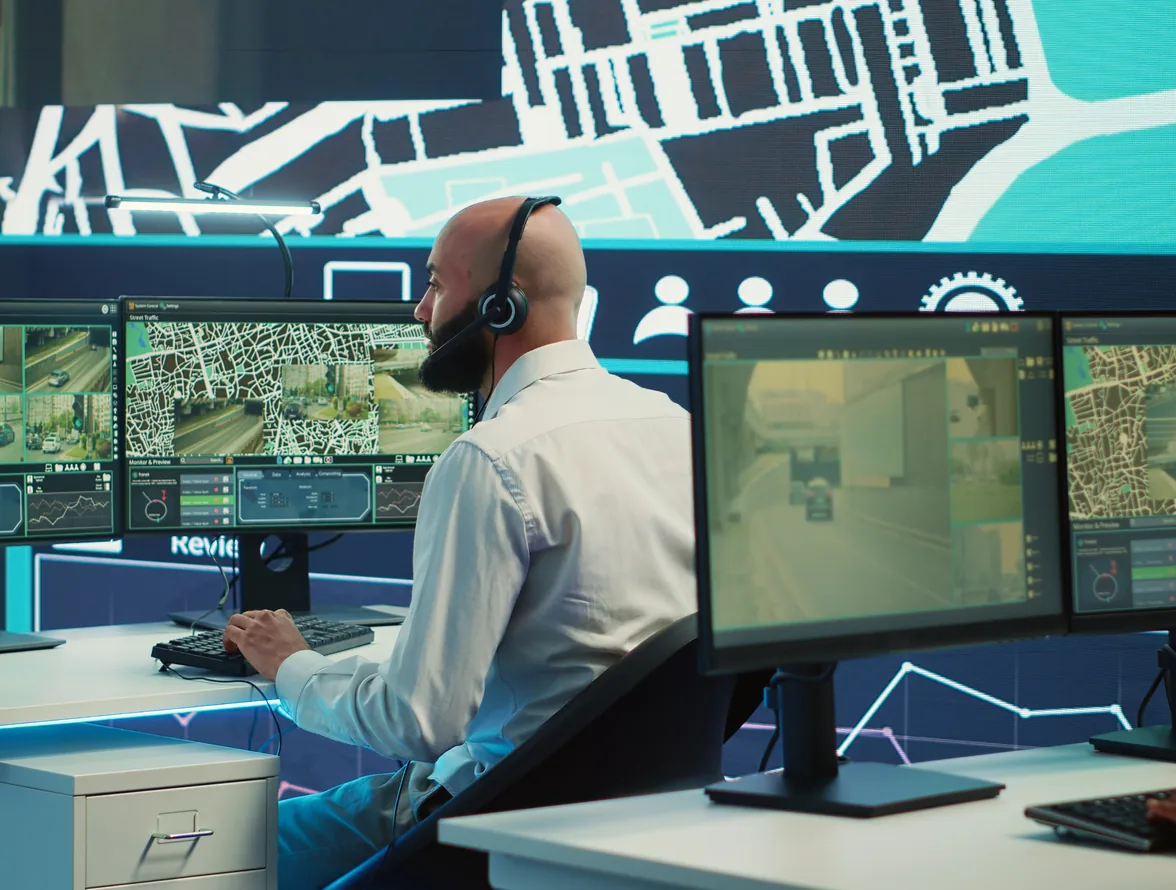
We start with the movement of a single consignment, from order capture to proof of delivery, and make every handoff along that path visible in one system. Planning, execution, and settlement stop being separate conversations. Dispatchers see the same status the customer sees, and finance bills from the same record the driver closed.
Nothing is ripped out on day one. Your telematics devices, ERP, and warehouse systems stay where they are and are connected through a purpose-built integration layer, so the operation keeps running while capability is added lane by lane, depot by depot. What you get is logistics management software shaped to your network rather than a template that expects your network to reshape itself.
Benefits Of Custom Logistics Software
Six operational shifts our logistics clients ask for, and what each one actually looks like on the ground.




Faster Deliveries
Runs are sequenced against live road conditions and delivery windows instead of yesterday's plan, and replanned the moment something moves. Vehicles spend more of the shift delivering and less of it waiting, backtracking, or returning to a door that was closed.
Reduced Operational Costs
Empty running, detention, avoidable overtime, and fuel burn become visible per lane and per vehicle while the month is still open. Cost control shifts from explaining the variance afterwards to removing the cause of it during the period.
Better Customer Experience
Customers get a delivery window they can plan around, proactive notice when an ETA drifts, and proof of delivery attached to the consignment. Your service desk stops fielding "where is it" and starts handling exceptions that genuinely need a human.
Real-Time Visibility
Fleet position, consignment status, warehouse activity, and stock in transit resolve to one operating picture rather than four partial ones. When an exception surfaces, the person who can act sees it with the context needed to act, not a bare alert.
Higher Operational Efficiency
Re-keying between order capture, transport planning, warehouse execution, and invoicing disappears, and with it the reconciliation work each handoff created. Experienced staff spend the day on planning judgement rather than on moving data between screens.
Improved Decision Making
Lane profitability, carrier performance, and utilisation are read from the transactional record rather than assembled by hand each month. Pricing, capacity, and network decisions get made against evidence that is current enough to still be true.
Our Journey Of Making Great Things
Numbers that reflect over a decade of consistent delivery, trusted partnerships, and engineering excellence.
Years of experience
Projects delivered
Clients served
Countries reached
Trusted by India's Leading Government Institutions
Nine central government ministries have trusted Webority to build their digital platforms from parliamentary operations and defence logistics to national health infrastructure and citizen data collection at scale. Every engagement runs on NIC cloud, meets GIGW accessibility standards, and operates under data handling requirements that commercial projects rarely demand.

Sansad Cafeteria
Ministry of Parliamentary Affairs

Bureau of Energy
Ministry of Power

Safdarjung Hospital
Ministry of Health & Family Welfare

Quality Council of India
Ministry of Commerce & Industry

Munitions India Limited
Ministry of Defence

Sashastra Seema Bal
Ministry of Home Affairs

Vasudha Foundation
Government of Karnataka

National Book Trust
Ministry of Education

Textiles Committee
Ministry of Textiles
Core Logistics Software Modules We Build
Deploy the modules your operation needs first, then extend. Each one is engineered to work standalone or as part of a single connected logistics platform.
- 01 Fleet Management
- 02 Shipment Tracking
- 03 Warehouse Management
- 04 Route Optimization
- 05 Order Management
- 06 Inventory Management
- 07 Driver Management
- 08 Delivery Scheduling
- 09 Real-Time Notifications
- 10 Analytics & Reporting







Our Success Stories
Every case study below is a product in production, built across healthcare, fintech, government, and e-commerce, and measured by the outcomes it delivers.
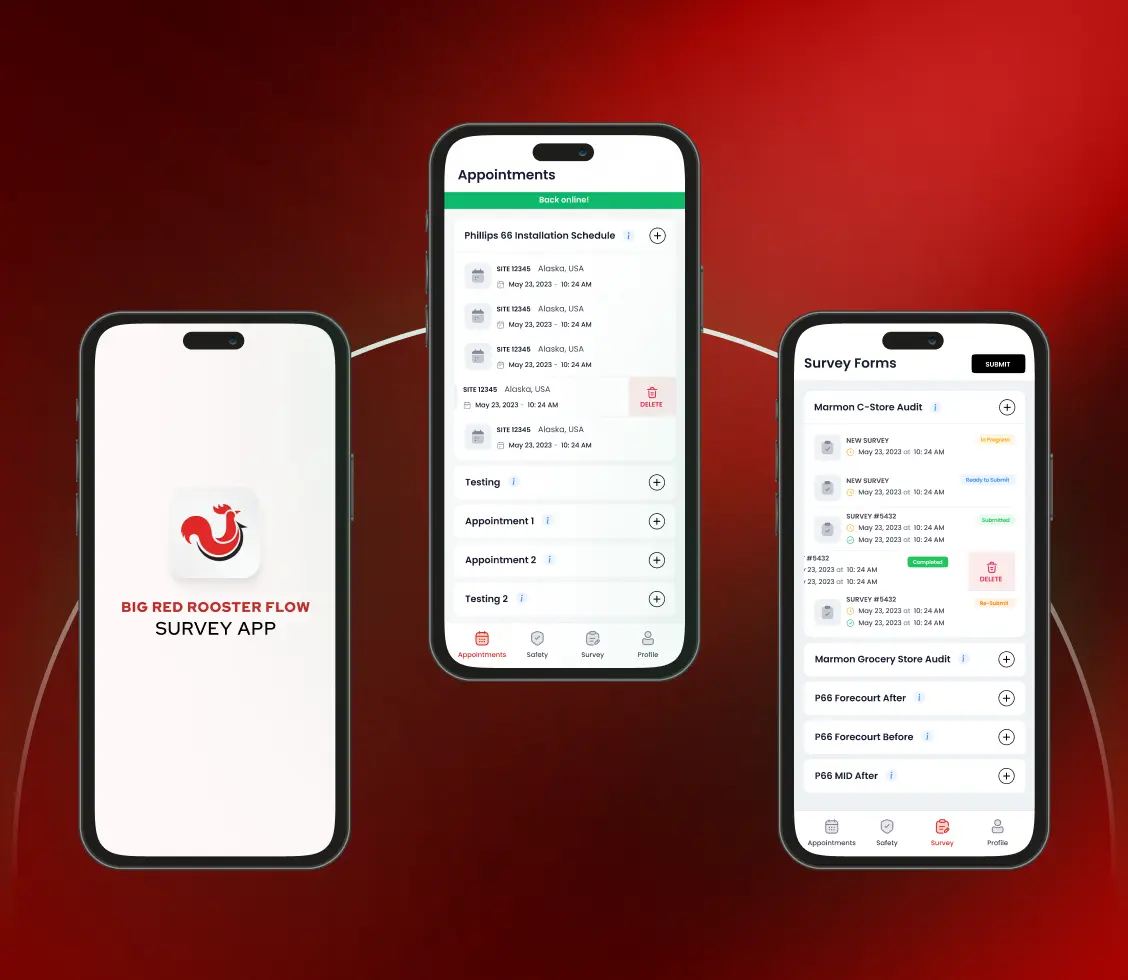
Field Inspection App - BRRF
Challenge
Big Red Rooster Flow's paper-based inspections across 500+ gas stations for Exxon, Marathon, 7-Eleven, Gulf, and BP suffered from 42% data error rates, 60-minute inspection times, and zero location verification, causing $4.2M in annual losses and threatening $18M in contracts.
Solution
We built a mobile-first survey platform with a no-code visual form builder, intelligent brand-specific survey logic, 99.3% accurate geofencing, full offline capability for 30+ days, a real-time operations dashboard with automated reporting, and role-based access for admins and field teams, deployed across 850+ field inspectors nationwide.
Impact
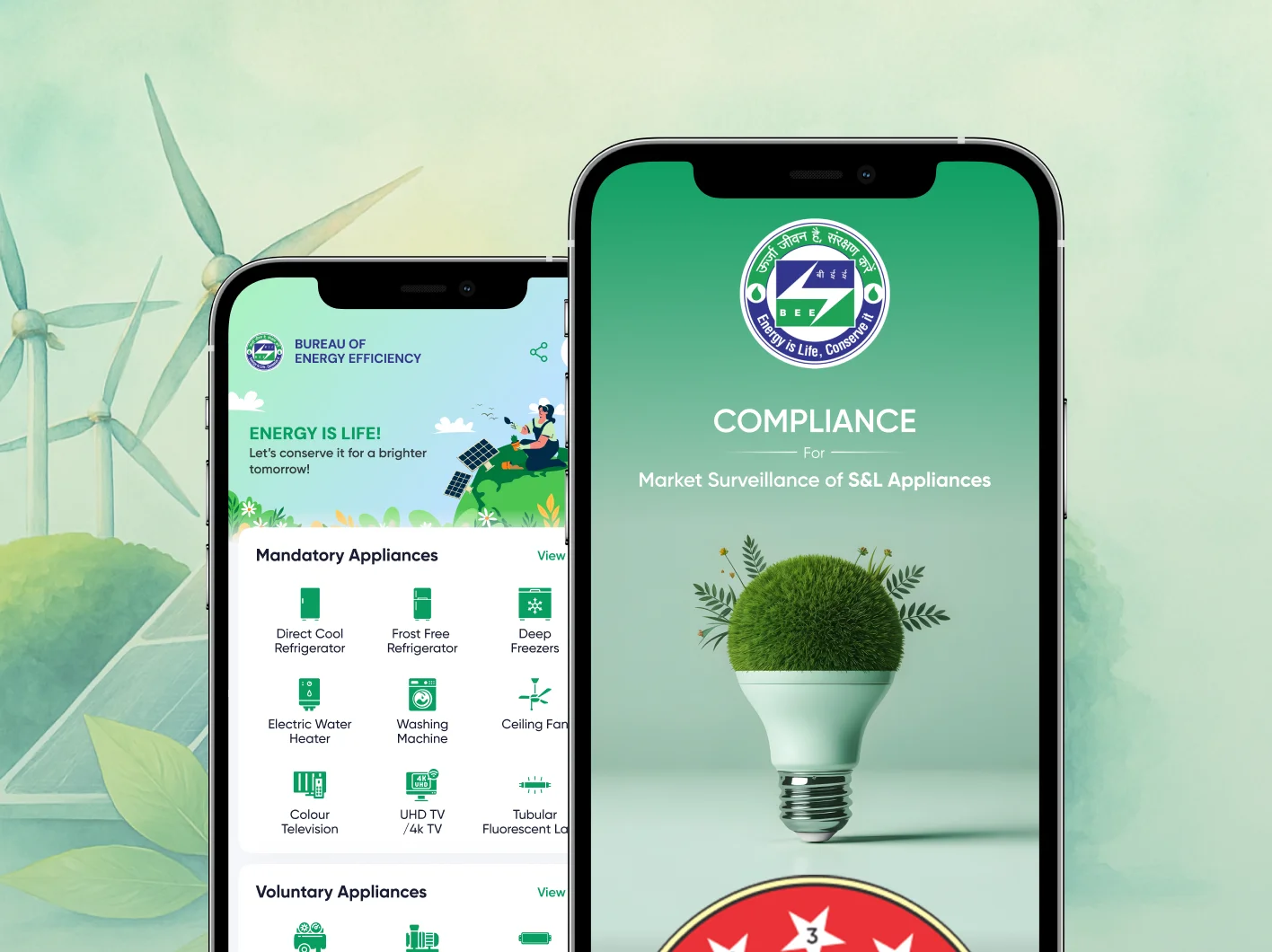
Energy Star Label Compliance App - BEE
Challenge
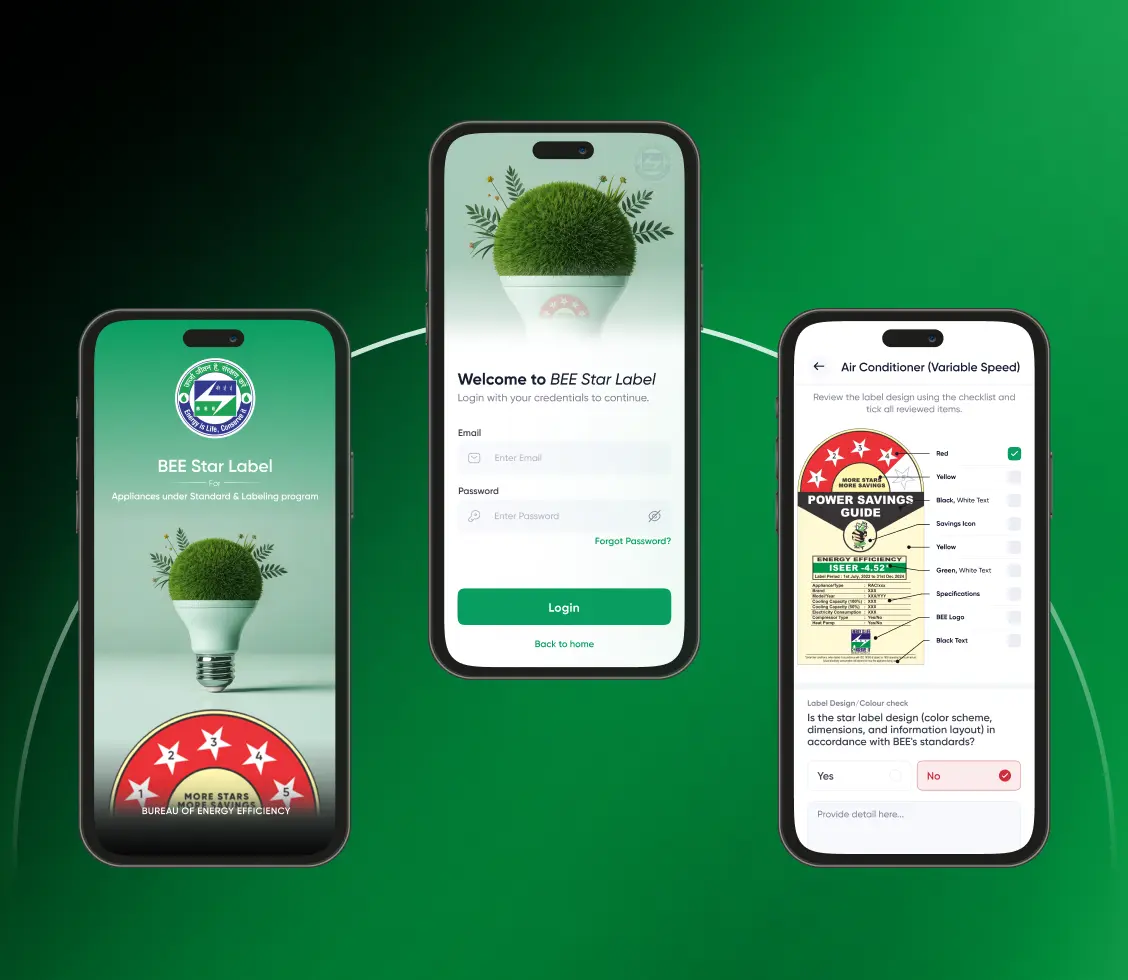
Manual inspection of Energy Star labels across India's vast appliance market was slow, error-prone, and lacked centralised visibility, making it difficult for BEE to enforce compliance or for consumers to verify appliance ratings.
Solution
We built a mobile and web platform that enables surveyors to validate star ratings, capture geo-tagged data with photo evidence, work offline, and generate instant reports, while giving consumers a simple interface to browse certified appliances, verify authenticity through star-label lookup, and raise complaints directly to BEE.
Impact
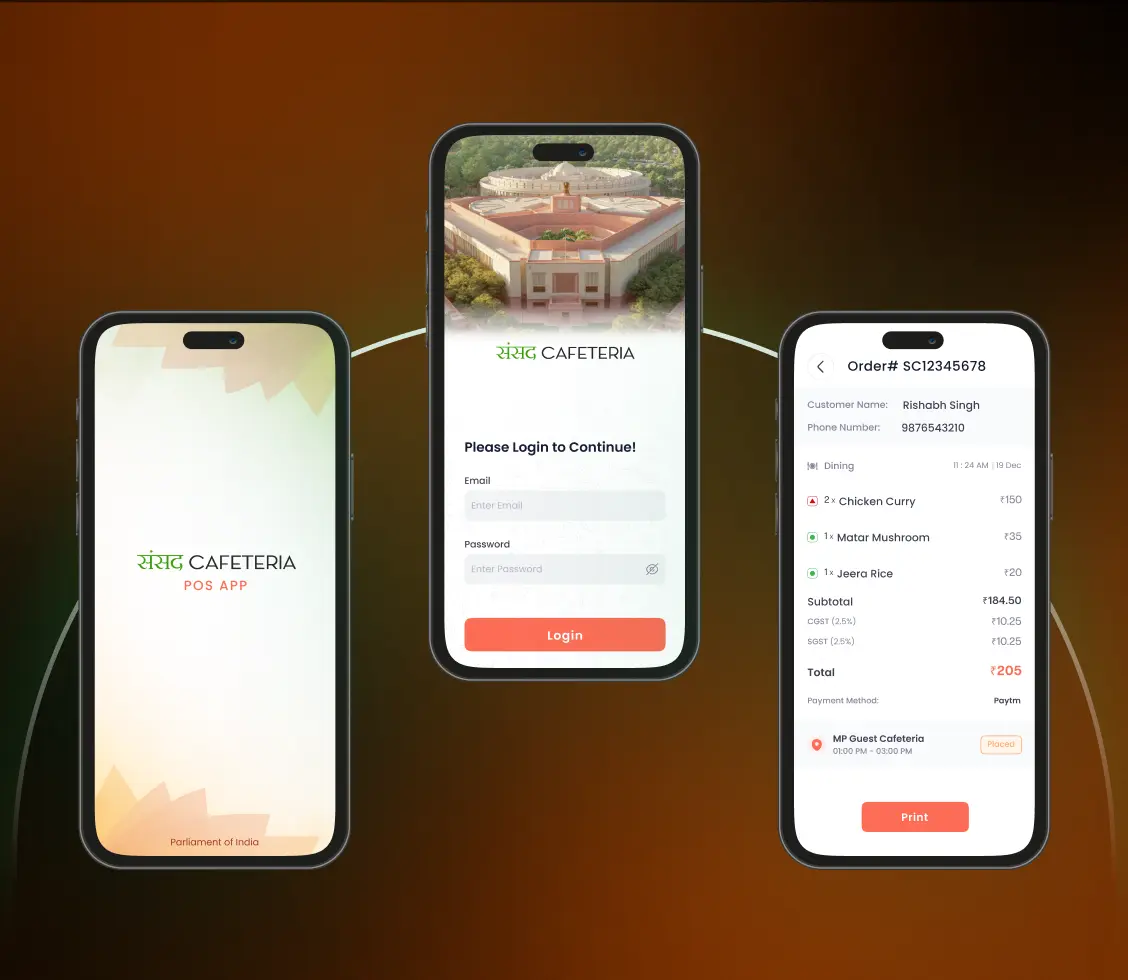
Cafeteria & Food Ordering App - Parliament of India
Challenge
Food ordering within the Indian Parliament relied on traditional, manual processes, leading to long wait times, operational inefficiency, and logistical challenges in managing catering across a high-security environment.
Solution
We developed a mobile app for MPs and staff with real-time menu access, QR-based pickup, in-room delivery, integrated digital payments, and full order history, along with an admin portal for ITDC to manage live orders, menus, pricing, user roles, inventory, and reporting across Parliament canteen operations.
Impact
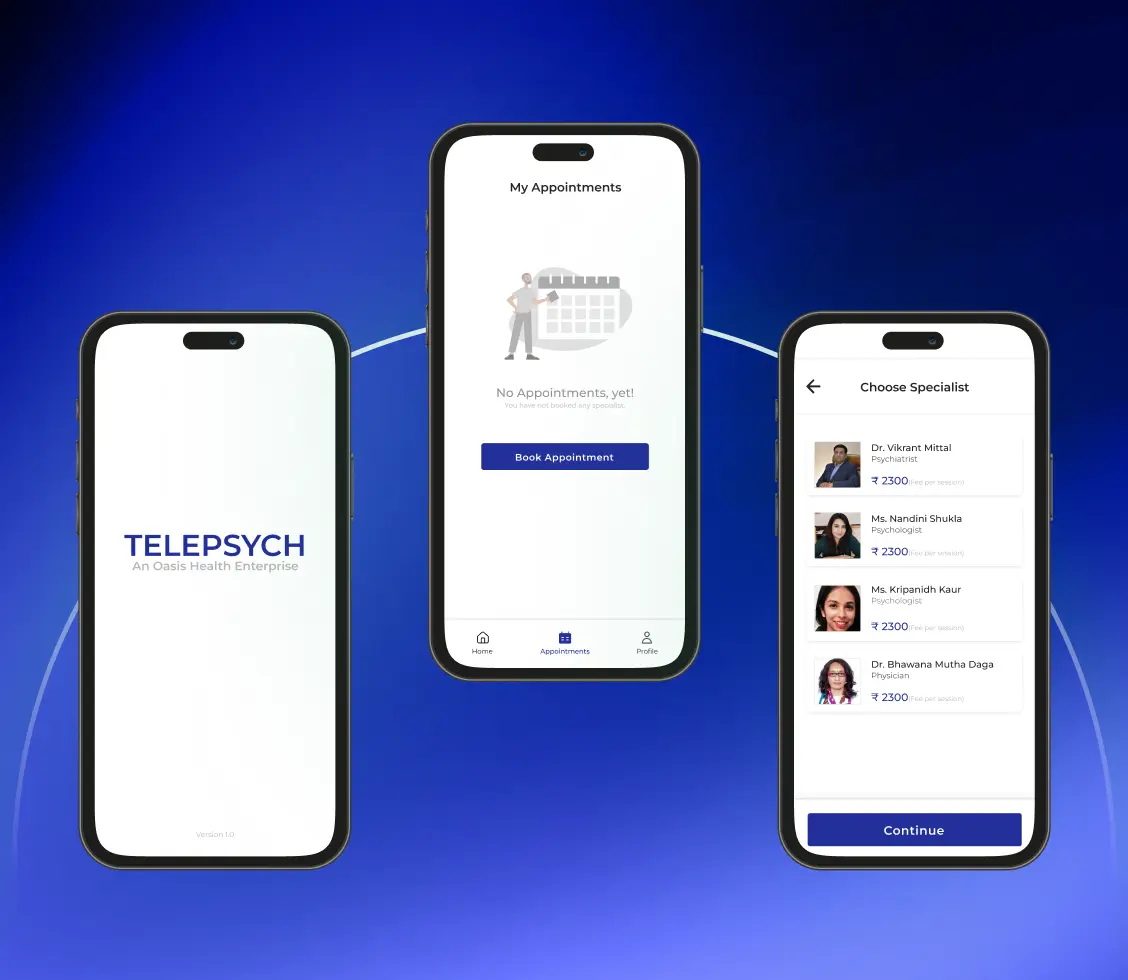
Mental Health Consultation & Booking App - Telepsych
Challenge
Fragmented booking systems and limited online options made accessing mental health consultations difficult for patients, while doctors and admins struggled with manual scheduling.
Solution
We built Telepsych, a web and mobile platform for booking online (Zoom) and in-person consultations, with secure payments, automated reminders, and session history, plus dedicated portals for doctors to manage availability and patient records, and for admins to oversee bookings, refunds, earnings reports, and daily clinic operations.
Impact
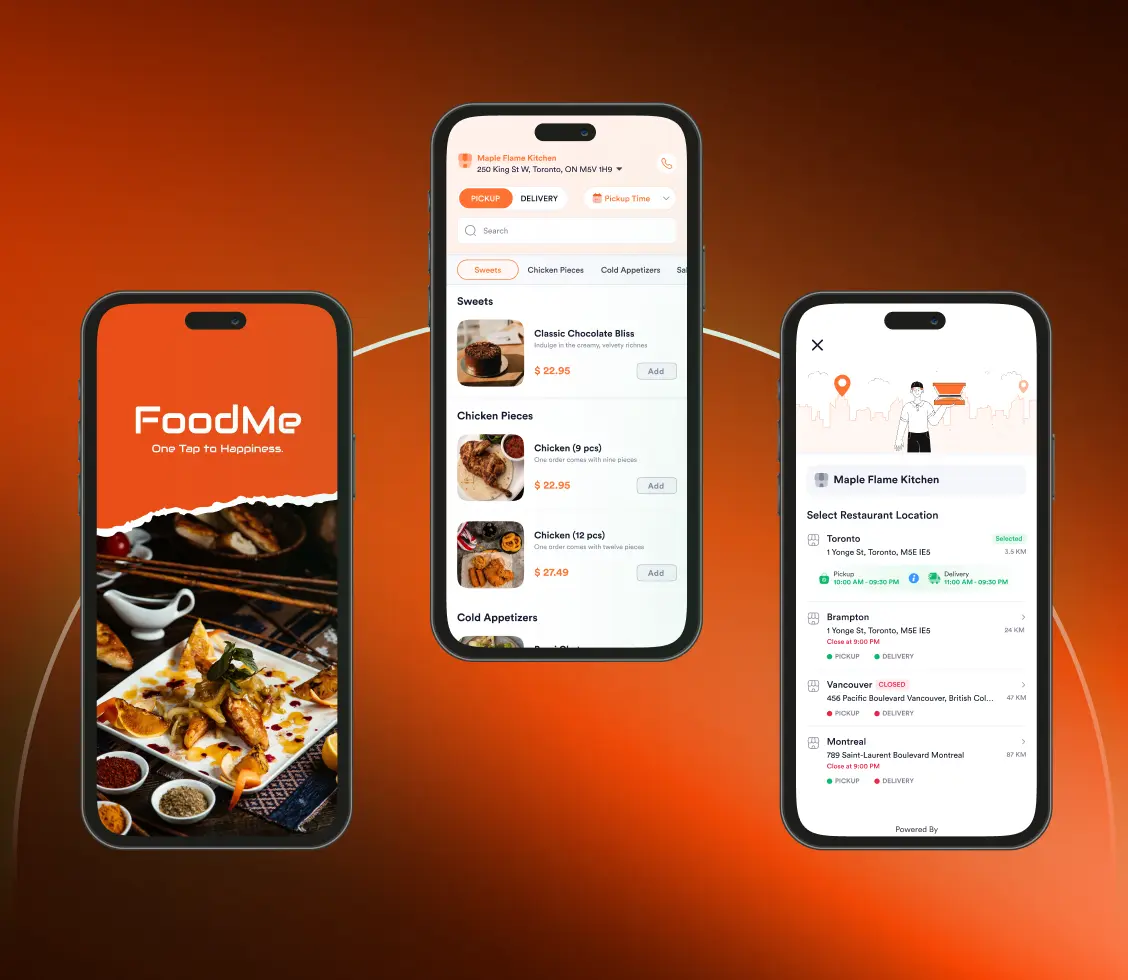
Online Ordering & Loyalty App - Foodme
Challenge
Restaurants lacked tailored digital tools for online ordering, payment processing, and customer engagement, limiting operational efficiency and scalable growth in an increasingly digital market.
Solution
We built custom mobile apps and websites with a central admin portal for menu and order management, Stripe-based secure payments, real-time order tracking, and built-in loyalty features including reward points, tiered memberships, personalised promotions, and push-notification campaigns to drive repeat customer engagement and retention.
Impact
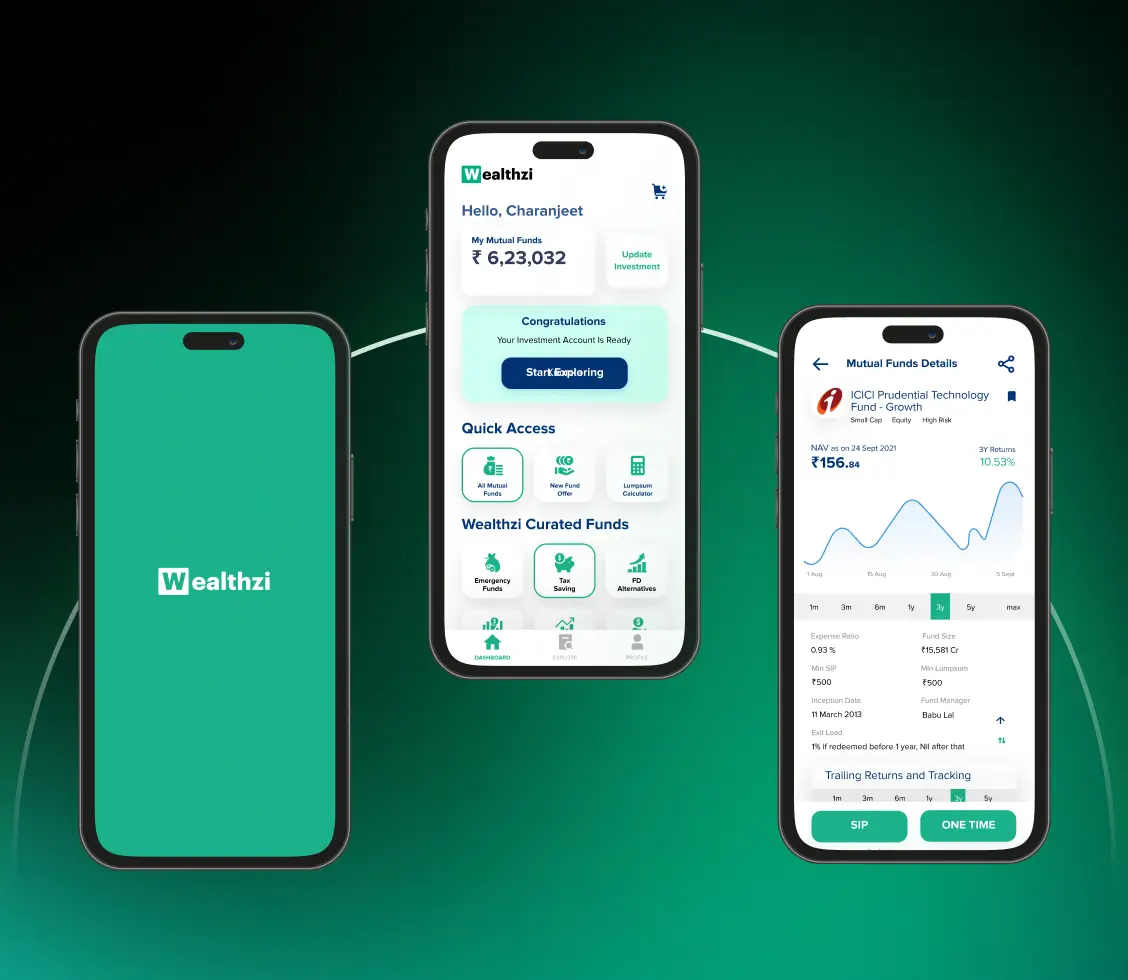
Wealth Management & Direct Investing APP — Wealthzi
Challenge
Indian investors lacked a unified, intelligent platform to manage diverse investments, relying on fragmented tools, manual advisory, and limited personalisation across mutual funds, PMS, and AIFs.
Solution
We built Wealthzi, a SEBI-compliant mobile and web platform offering zero-commission direct mutual fund investing, automated portfolio management, goal-based financial planning, AI-driven nudges for smarter decisions, seamless paperless KYC onboarding, and advisor tools for distributors to manage clients and grow their practice at scale.
Impact
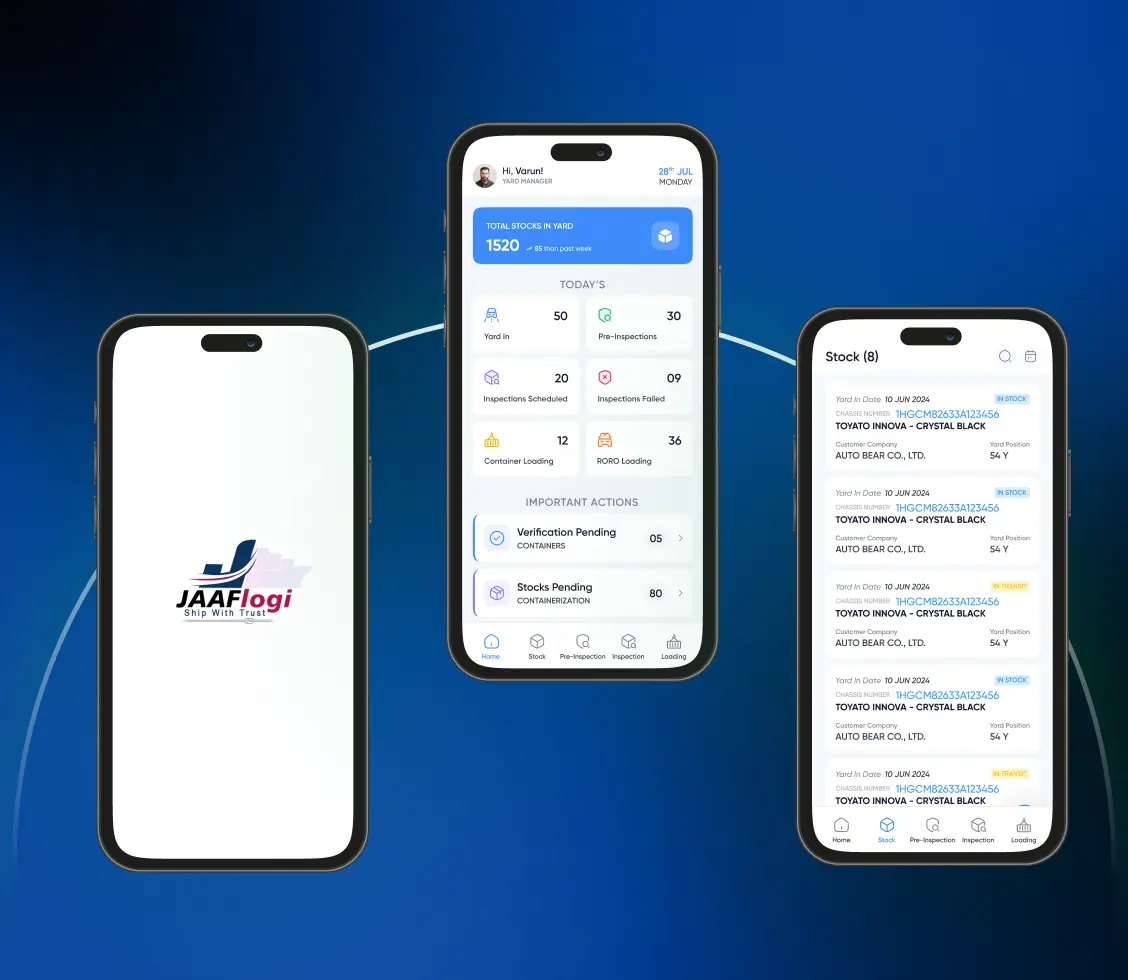
Vehicle Export Logistics APP — JAAFlogi
Challenge
Exporting used vehicles from Japan needs coordination across trucking, inspection, customs, and shipping, with manual processes causing delays and zero visibility for global buyers.
Solution
We built JAAFlogi, a web and mobile platform managing the vehicle export lifecycle end to end: stock, trucking, inspections, RORO shipping, customs, billing, real-time tracking, dedicated yard and driver apps, and a bilingual English/Japanese customer portal.
Impact
Certificates and Compliances
At Webority Technologies, we take pride in our professional recognition and reputation as a trusted name for all your business solution needs. Rely on us for expert guidance and exceptional results.








Logistics Sectors We Serve
We build for operations where a missed window, a broken cold chain, or a lost consignment is not an inconvenience. It is the business.
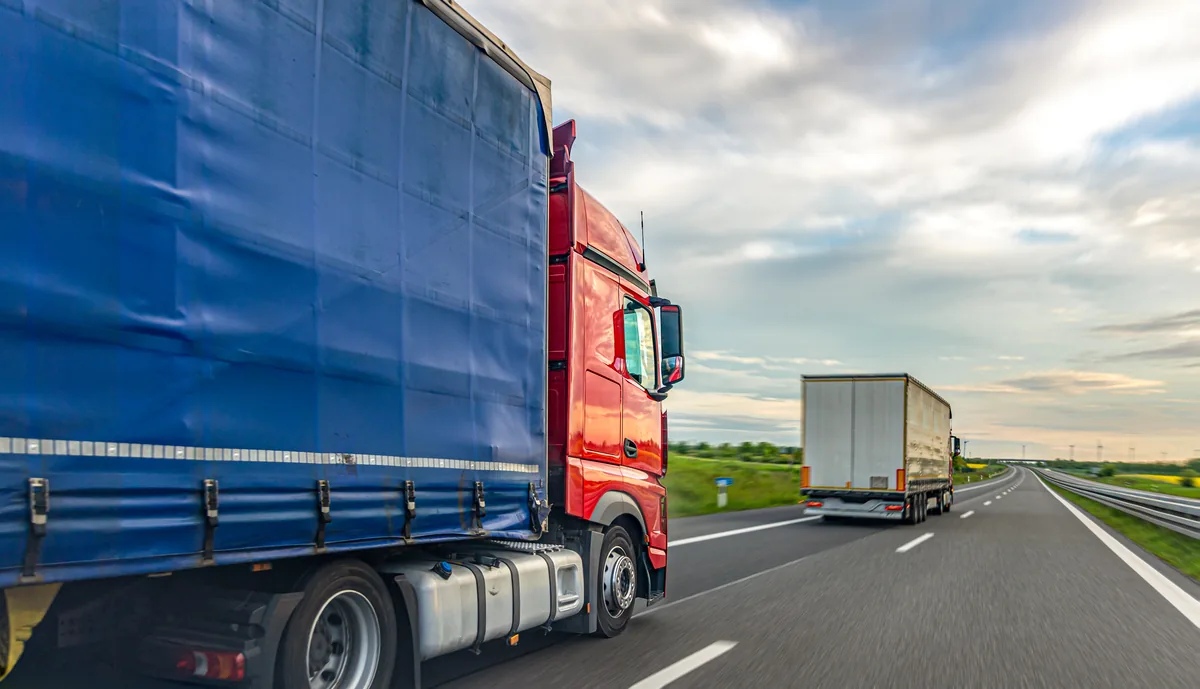
Freight & Trucking
Transportation management systems for full-load and part-load carriers. Lane planning, carrier selection, dispatch, freight rating, and settlement built around how your network actually prices and moves freight.
E-Commerce & Last Mile
High-volume last-mile delivery platforms with live rider allocation, slot booking, reattempt rules, cash-on-delivery reconciliation, and the customer tracking experience that stops the "where is it" call.
3PL & Contract Logistics
Multi-client platforms with strict data separation, per-client service levels and billing rules, and partner portals where each customer sees only its own consignments and its own performance.
Warehousing & Distribution
Warehouse management systems covering receiving, directed put-away, bin and zone logic, barcode picking, cycle counting, and dock scheduling, modelled on your real floor plan rather than a generic layout.
Cold Chain & Pharma
Temperature-controlled logistics with sensor ingestion, excursion alerting, batch and expiry tracking, and the audit trail regulated goods require from dispatch through to proof of delivery.
Manufacturing & Inbound Supply
Inbound supply visibility, yard and dock management, milk-run scheduling, and supplier delivery tracking for plants where a late component stops a line rather than a delivery.
Courier & Parcel
Hub-and-spoke parcel networks with scan-driven milestones, sortation support, route density planning, and franchise or agent settlement across a distributed pickup and delivery footprint.
Enterprise & Conglomerate Fleets
Group-wide fleet and distribution platforms spanning divisions, geographies, and mixed vehicle classes, delivered under CMMI Level 5 governance for organisations that cannot pause the network to change systems.
Why Logistics Operators Choose Webority as Their Software Partner
Logistics software fails quietly, in the depot, at 5am. We build for that reality with certified process maturity and an engineering approach that assumes your network cannot stop while we work.
Built to Your Network, Not a Template
Your lanes, depots, service levels, and exceptions define the software. You are not asked to re-run the operation to suit a packaged product.
Scales With Volume and Geography
Architected so peak-season volume, a new region, or an acquired depot is a configuration and capacity decision, not a re-write.
Secure Architecture by Design
Role-based access, encryption in transit and at rest, and audit trails are built under our ISO 27001 certified process, not bolted on before go-live.
You See Working Software Every Sprint
Every two weeks your team reviews running software against real consignments, so scope and direction stay in your hands throughout.
A Modern, Deliberate Technology Stack
Cloud-native services, event streaming for telematics, and offline-capable mobile apps, each chosen for the job rather than for the brochure.
Long-Term Support Under an SLA
Monitoring, patching, and enhancements continue after go-live under a formal SLA, with peak-season readiness reviewed before the season, not during it.
What Our Clients Say
Real words from the founders, product owners, and CTOs who chose Webority




Our Tech Stack
Tools chosen for what they are best at, every decision backed by performance benchmarks and real logistics project experience.
Frontend & User Interface


Backend & Server-Side





Database & Storage



Cloud & DevOps



Strategic Partnerships
Technology partnerships that give our clients enterprise-grade tools, support SLAs, and preferential access.



The Business Outcomes Logistics Leaders Are Buying
Qualitative shifts our clients set out to achieve. We scope and measure the targets against your own baseline during discovery.
Service Levels You Can Commit To
Delivery promises are made against live capacity and live road conditions, so commercial commitments stop depending on optimism.
Margin Visible While You Can Still Act
Cost per consignment and lane profitability surface during the period rather than in the post-mortem, so corrections land in the same quarter.
Capacity to Grow Without Adding Overhead
More consignments, lanes, and depots are absorbed by the platform rather than by proportionally more planners and coordinators.
Operational Knowledge That Stays
Routing rules and exception handling live in the system rather than in one supervisor's head, so the operation survives leave, growth, and attrition.

How We Implement Logistics Software
A phased rollout under our CMMI Level 5 certified delivery process, sequenced so your network keeps running while capability goes live depot by depot.
Operations Discovery
We walk the lanes, depots, and warehouse floor, map how a consignment actually moves today, and record where information stops. Constraints, exceptions, and the workarounds your team relies on are documented before anything is designed.
Solution Architecture & Integration Design
Data model, module scope, telematics and ERP integration contracts, offline behaviour for the driver app, and security controls are specified and signed off. You know what connects to what, and what happens when a link is down, before build starts.
Agile Build in Two-Week Sprints
Modules are built in priority order and demonstrated every two weeks against real consignment data, not slideware. Your dispatchers and warehouse supervisors review working software early enough for their feedback to still change it.
Integration, Data Migration & Testing
Master data, open consignments, and historical records are migrated and reconciled. Integrations are tested against live telematics and ERP feeds, and the system is load-tested at peak-season volumes before a single depot depends on it.
Pilot Depot & Phased Rollout
One depot or lane goes live first, with drivers and planners trained and supported on shift. Once it holds through a full operating cycle, the rollout extends site by site, so a rollback never puts the whole network at risk.
Support, Optimisation & Peak Readiness
Monitoring, security patching, and issue resolution run under a formal SLA, with capacity reviewed ahead of peak season. Optimisation continues as lanes, carriers, and volumes change, because a logistics network is never finished.

Enterprise-Grade Features & Capabilities
Built-in enterprise capabilities that keep a logistics platform secure, connected, and dependable through peak season and network growth.

Advanced Security Architecture
Encryption in transit and at rest, role-based access so a partner carrier sees only its own consignments, and audit trails on settlement records.

Microservices & Scalable Architecture
Containerised services with auto-scaling, so peak-season volume, a new region, or an acquired depot is a capacity decision rather than a re-write.

Seamless API Integration
Documented integration layers across ERP, CRM, telematics, mapping, payments, warehouse systems, and third-party carrier APIs.

Performance Optimisation
Event streaming for telematics, caching, and asynchronous processing so live position and ETA data holds up at full fleet volume.

User & Access Management
Role-based access control across planners, drivers, warehouse staff, carriers, and customers, with single sign-on and multi-factor authentication.

Analytics & Reporting
Dashboards for cost per consignment, on-time performance, lane profitability, dwell, and utilisation, built on the transactional record itself.
Flexible Engagement Models for Every Project Type
Choose the model that fits your rollout, timeline, and level of internal involvement. We adapt our delivery approach to maximise value and minimise risk for your network.

Fixed Price Model
Agreed on scope, budget, and timeline upfront. Predictable cost with no scope creep risk. Full accountability within defined parameters.

Time & Materials Model
You pay for actual engineering hours delivered. Ideal where module scope evolves as depots go live. Full visibility into hours and deliverables at every sprint.

Dedicated Team Model
A fully dedicated engineering team working exclusively on your platform. Team composition is agreed upon up front. Scale up or down as the rollout progresses.

Hybrid Model
Fixed-price operations discovery followed by Time & Materials build. Recommended when the network is understood but integration scope is still being mapped.
Frequently Asked Questions
Our logistics software solutions cover fleet management, shipment tracking, warehouse management, route optimization, order and inventory management, driver management, delivery scheduling, real-time notifications, and analytics. Modules can be deployed individually or as one connected logistics platform, and each is engineered around your lanes, depots, and service levels rather than adapted from a template.
Yes. We build documented integration layers across ERP, CRM, GPS and telematics, mapping and geospatial services, payment systems, warehouse systems, and third-party logistics APIs. Your existing systems stay in place and are connected through purpose-built interfaces, so master data, orders, stock, and financial postings stay synchronised without manual re-keying between applications.
A transportation management system plans and executes the movement of freight between locations, covering route optimization, carrier selection, dispatch, tracking, and freight settlement. A warehouse management system controls what happens inside a facility, including receiving, put-away, picking, packing, and stock accuracy. Most operations need both, connected so that transport planning and warehouse execution share a single stock and consignment record.
We roll out in phases. After discovery, architecture, and testing against live telematics and ERP feeds, one pilot depot or lane goes live with drivers and planners supported on shift. Once it holds through a full operating cycle, the rollout extends site by site. Your existing systems keep running throughout, so a rollback affects a single site rather than the whole network.
Yes. Offline behaviour is specified during architecture, because rural lanes, basements, and warehouse interiors routinely lose coverage. Drivers capture proof of delivery, exceptions, and photographs on the device, and the records queue locally and synchronise once connectivity returns, with conflict handling defined so no delivery evidence is lost.
Security is designed in at the architecture stage under Webority's ISO 27001 certified process. That includes role-based access control so a partner carrier sees only its own consignments, encryption in transit and at rest, audit trails on consignment and settlement records, and defined data retention. Controls are documented and reviewed at delivery milestones rather than assessed after go-live.
Yes. Performance monitoring, security patching, issue resolution, and enhancements run under a formal SLA after go-live. Capacity and peak-season readiness are reviewed ahead of the season, and optimisation continues as lanes, carriers, and volumes change, because a logistics network keeps evolving after the software ships.