


























B2B Ecommerce & Wholesale Ordering Portal Development
Webority builds B2B ordering portals for manufacturers, distributors, wholesalers and brands selling to business customers: customer-specific and contract pricing with quantity slabs, quotes and RFQ, credit limits and payment terms, order-approval chains, fast repeat ordering, and two-way integration with the ERP that already runs your stock, pricing and invoicing. Engineered under CMMI Level 5 and ISO 27001, from our Delhi NCR centre for clients across India, the US, the UK and the Gulf.
Get a Free Consultation
Fill in your details, and we will respond within 24 hoursTrusted by Leading Brands & Growing Startups








What B2B Ecommerce Development Actually Means
It looks like a store, but businesses do not buy the way consumers do. The price depends on who is signed in and how much they order, a credit limit and payment terms sit behind the checkout, larger orders route through an approval chain, and most orders are repeats of the last one. B2B ecommerce development is engineering that commercial logic, and the integration with the ERP that already runs your stock, pricing and invoicing, rather than the storefront on top.
Most distribution businesses still take orders through a salesperson, a phone call, a WhatsApp message or a shared spreadsheet, which works right up until volume, errors and re-keying make it the bottleneck. A portal is the decision to let your customers place their own orders correctly, against their own prices and their own credit, and have every one of them agree with your ERP instead of arriving as a message someone has to type in again.
Why Distributors and Manufacturers Build a Portal
Six reasons a wholesale or distribution business stops taking orders by phone and spreadsheet and gives its customers a portal instead. Each is a way B2B buying differs from a consumer store.




Your Price Is Not One Number
A consumer store shows one price to everyone. In B2B the price depends on who is logged in and how much they order, often against a contract negotiated offline, with quantity slabs that step the unit price down as the order grows and minimum order quantities where they apply. A portal that cannot resolve the right price per customer is not a B2B portal; it is a public catalogue with your trade pricing exposed.
Buyers Reorder, They Do Not Browse
A business buyer is not discovering products; they are placing the same large order they placed last month, quickly, and getting back to their day. Reorder from history, saved order pads, scheduled and standing orders and bulk upload matter far more than the merchandising a consumer store obsesses over. The fastest path to a correct repeat order is the feature, not a carousel of recommendations.
Credit and Terms Are the Business
Businesses buy on credit and pay on terms, not upfront at checkout. A customer has a limit, that limit is partly used against unpaid invoices, and the portal has to know whether an order can go on account or needs payment now. Get this wrong and you either block good orders or extend credit you should not. A consumer checkout has no concept of any of it.
Orders Need Approval Before They Are Placed
A company account has several buyers, spending limits and an approver, so an order above a threshold has to route to the right person before it is placed rather than after. That approval chain is how businesses authorise what they spend, and a portal that ignores it either forces buyers back to email or lets through orders that should have been checked.
The ERP Is the Source of Truth
Your ERP already holds the real stock, the customer-specific pricing, the credit position and the invoicing. A portal that keeps its own second copy will drift, and the day it shows a price or an availability the ERP does not honour is the day a customer stops trusting it. The integration is the hard part and the point, not an afterthought bolted on at the end.
Order-Taking by Phone Does Not Scale
Taking orders by phone, WhatsApp and spreadsheet works until it does not, and then every order is a chance to mis-key a code, quote the wrong price or miss that a customer is over their limit. A portal moves the routine reorders off your sales team so they sell instead of transcribe, and it makes every order arrive already correct and already in the system.
Core Modules of a B2B Ordering Portal
Six connected modules that carry a business order from the right price through approval and credit to your ERP.
- 01 Buyer Accounts, Roles & Approvals
- 02 Contract & Tiered Pricing
- 03 Quotes, RFQ & Negotiated Orders
- 04 Bulk & Repeat Ordering
- 05 Credit, Payments & Settlement
- 06 ERP, Catalogue & Inventory Integration





The Commerce Engineering
The six pieces underneath a B2B portal that decide whether it reflects the way your business really prices, sells and gets paid. A consumer store has none of them.

Customer-Specific Pricing Engine
A pricing layer that resolves the right price per customer from contracts, groups, slabs and promotions, so every buyer sees the number your business has actually agreed with them.

Catalogue & PIM for Large Ranges
Product information management built for deep trade catalogues, with the codes, packs, units and specifications a business buyer searches by rather than a consumer would.

Inventory & ERP Sync
Live stock and pricing read from the ERP that owns them, and orders written back, so the portal and the business never disagree about what is available or what it costs.

Order & Approval Workflow
A workflow engine that routes an order through the right approvals and states, so an order above a limit is checked before it is placed and every step is on record.

Credit, Ledger & Terms
Credit limits tracked against unpaid invoices and payment terms enforced at checkout, so an order goes on account or asks for payment based on where the customer actually stands.

Distributor Hierarchy & Warehouses
Multi-tier dealer and distributor structures and multiple warehouses, so an order draws from the right stock and rolls up through the right branch or territory.
Our Journey Of Making Great Things
Numbers that reflect over a decade of consistent delivery, trusted partnerships, and engineering excellence.
Years of experience
Projects delivered
Clients served
Countries reached
Our Success Stories
Every case study below is a product in production, built across healthcare, fintech, government, and e-commerce, and measured by the outcomes it delivers.
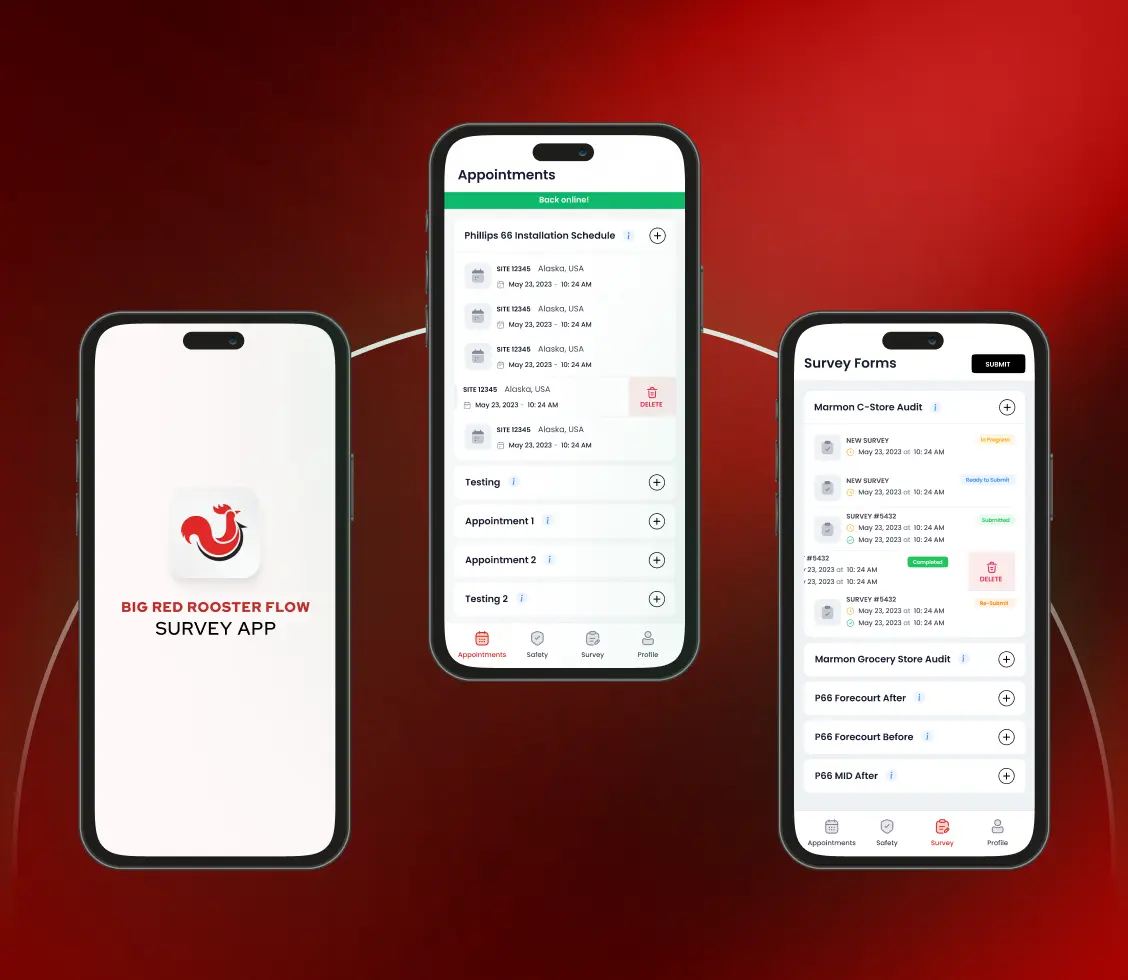
Field Inspection App - BRRF
Challenge
Big Red Rooster Flow's paper-based inspections across 500+ gas stations for Exxon, Marathon, 7-Eleven, Gulf, and BP suffered from 42% data error rates, 60-minute inspection times, and zero location verification, causing $4.2M in annual losses and threatening $18M in contracts.
Solution
We built a mobile-first survey platform with a no-code visual form builder, intelligent brand-specific survey logic, 99.3% accurate geofencing, full offline capability for 30+ days, a real-time operations dashboard with automated reporting, and role-based access for admins and field teams, deployed across 850+ field inspectors nationwide.
Impact
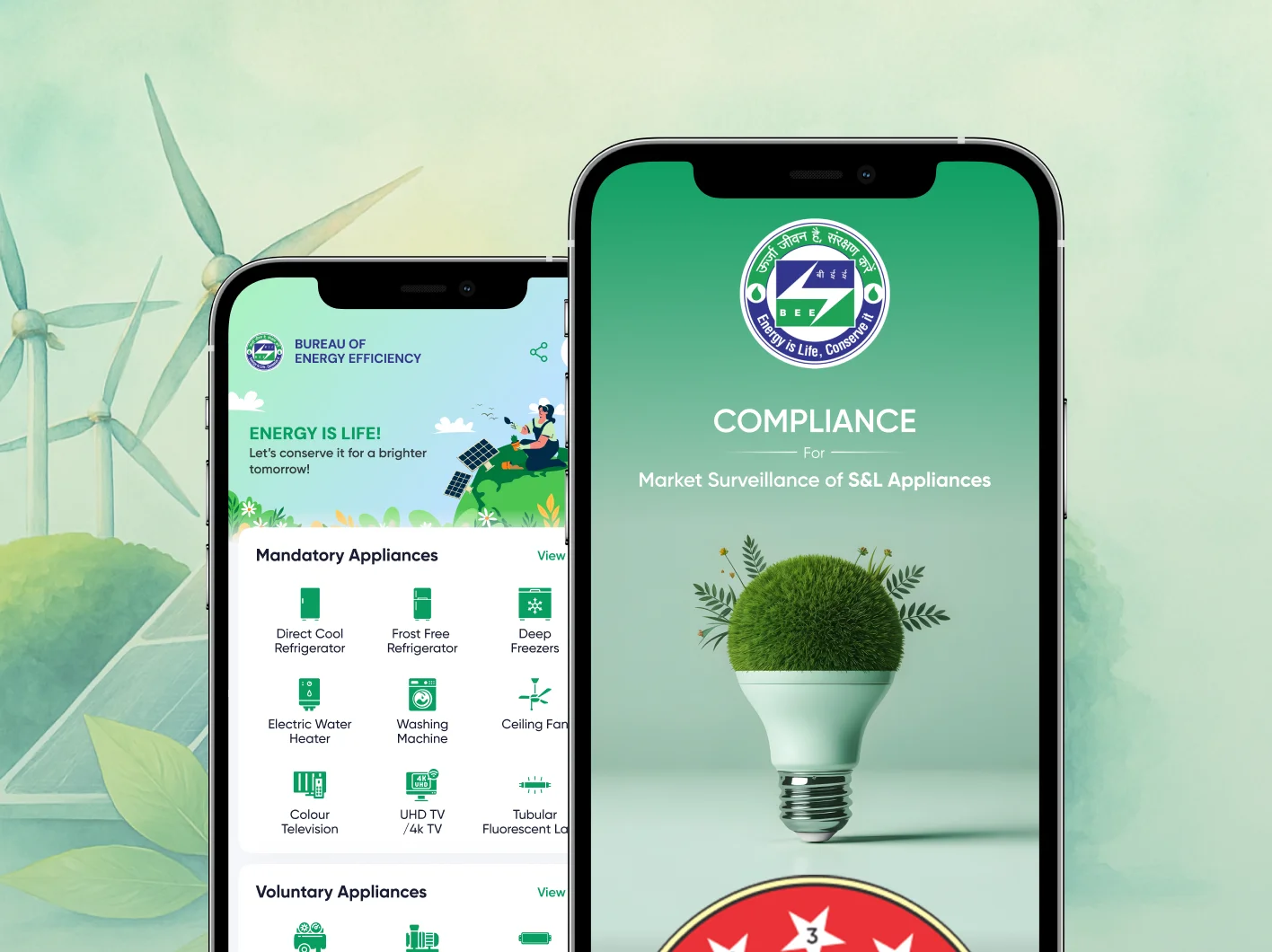
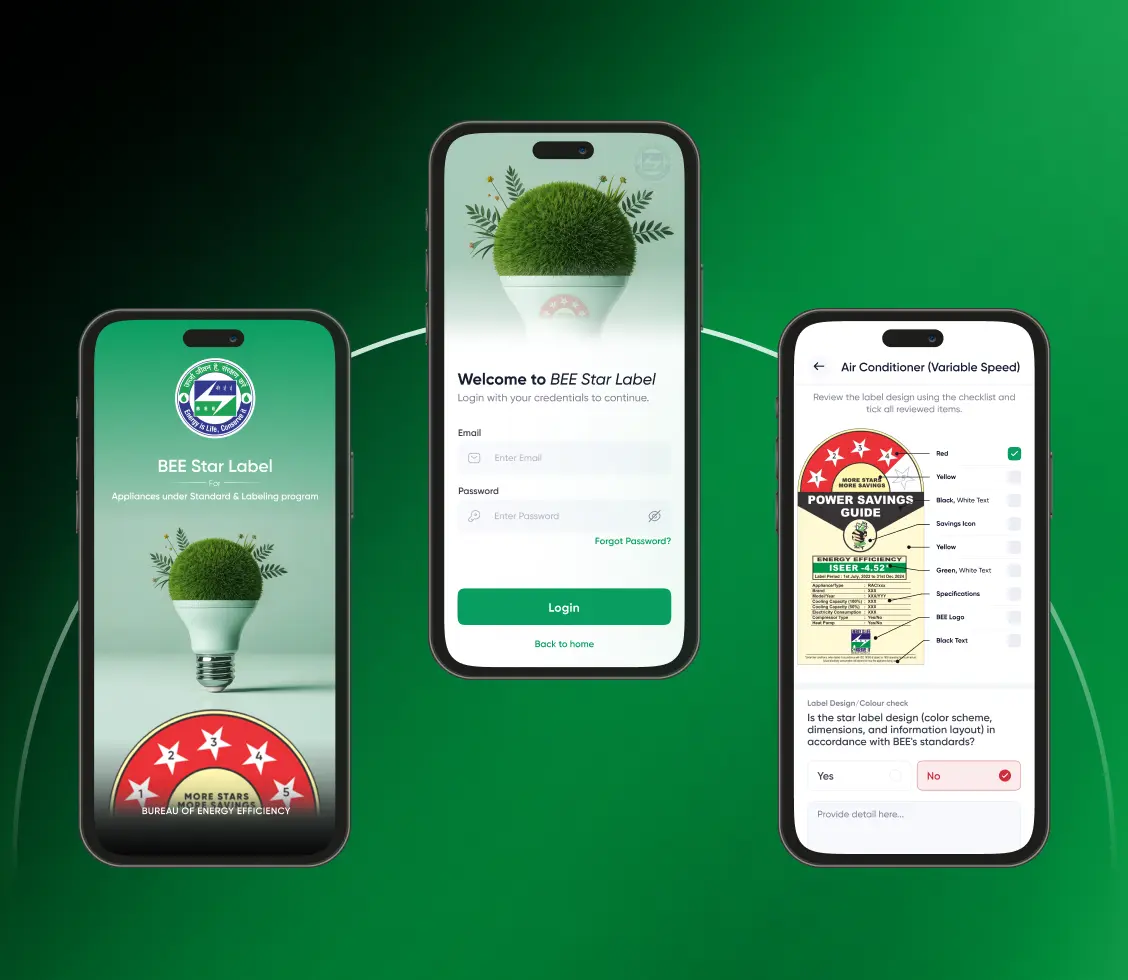
Energy Star Label Compliance App - BEE
Challenge
Manual inspection of Energy Star labels across India's vast appliance market was slow, error-prone, and lacked centralised visibility, making it difficult for BEE to enforce compliance or for consumers to verify appliance ratings.
Solution
We built a mobile and web platform that enables surveyors to validate star ratings, capture geo-tagged data with photo evidence, work offline, and generate instant reports, while giving consumers a simple interface to browse certified appliances, verify authenticity through star-label lookup, and raise complaints directly to BEE.
Impact
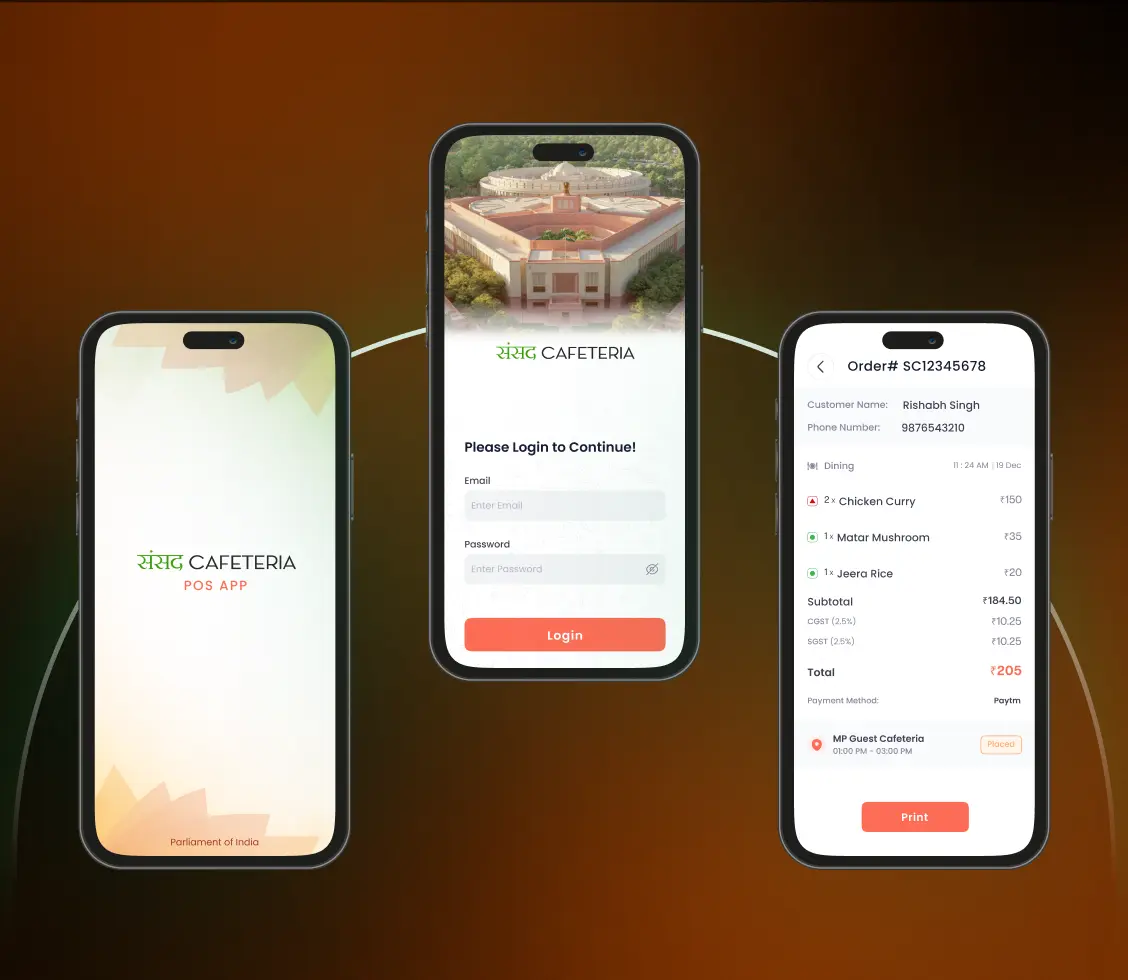
Cafeteria & Food Ordering App - Parliament of India
Challenge
Food ordering within the Indian Parliament relied on traditional, manual processes, leading to long wait times, operational inefficiency, and logistical challenges in managing catering across a high-security environment.
Solution
We developed a mobile app for MPs and staff with real-time menu access, QR-based pickup, in-room delivery, integrated digital payments, and full order history, along with an admin portal for ITDC to manage live orders, menus, pricing, user roles, inventory, and reporting across Parliament canteen operations.
Impact
Mental Health Consultation & Booking App - Telepsych
Challenge
Fragmented booking systems and limited online options made accessing mental health consultations difficult for patients, while doctors and admins struggled with manual scheduling.
Solution
We built Telepsych, a web and mobile platform for booking online (Zoom) and in-person consultations, with secure payments, automated reminders, and session history, plus dedicated portals for doctors to manage availability and patient records, and for admins to oversee bookings, refunds, earnings reports, and daily clinic operations.
Impact

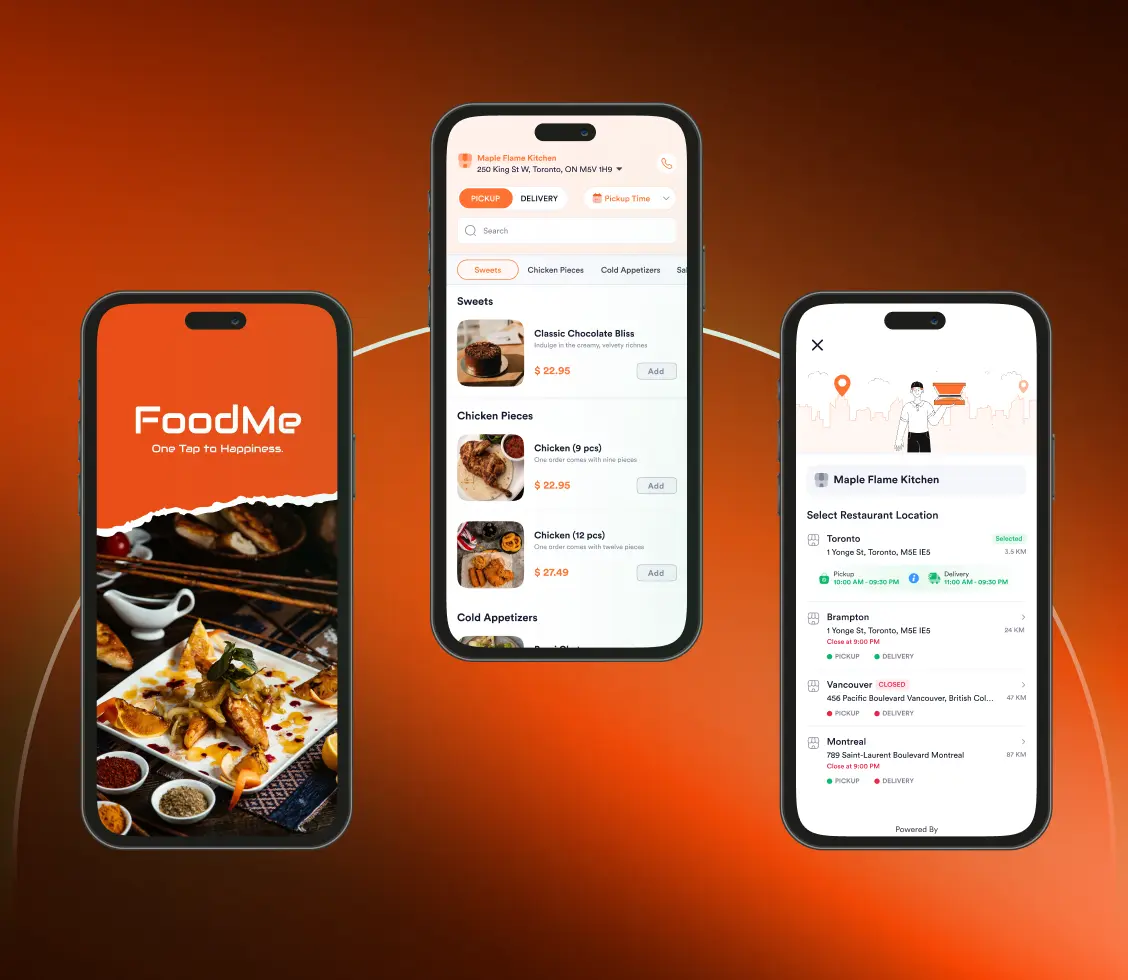
Online Ordering & Loyalty App - Foodme
Challenge
Restaurants lacked tailored digital tools for online ordering, payment processing, and customer engagement, limiting operational efficiency and scalable growth in an increasingly digital market.
Solution
We built custom mobile apps and websites with a central admin portal for menu and order management, Stripe-based secure payments, real-time order tracking, and built-in loyalty features including reward points, tiered memberships, personalised promotions, and push-notification campaigns to drive repeat customer engagement and retention.
Impact
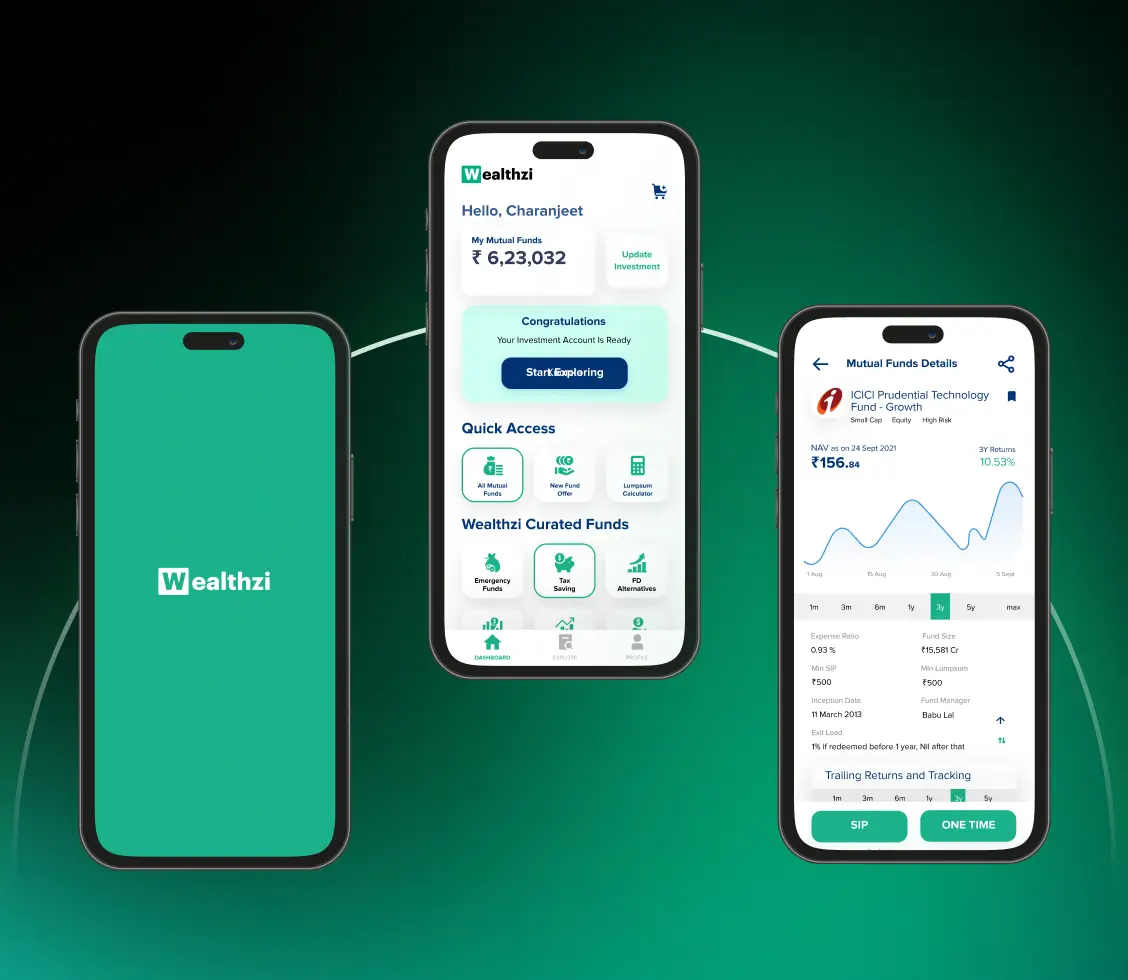
Wealth Management & Direct Investing APP — Wealthzi
Challenge
Indian investors lacked a unified, intelligent platform to manage diverse investments, relying on fragmented tools, manual advisory, and limited personalisation across mutual funds, PMS, and AIFs.
Solution
We built Wealthzi, a SEBI-compliant mobile and web platform offering zero-commission direct mutual fund investing, automated portfolio management, goal-based financial planning, AI-driven nudges for smarter decisions, seamless paperless KYC onboarding, and advisor tools for distributors to manage clients and grow their practice at scale.
Impact
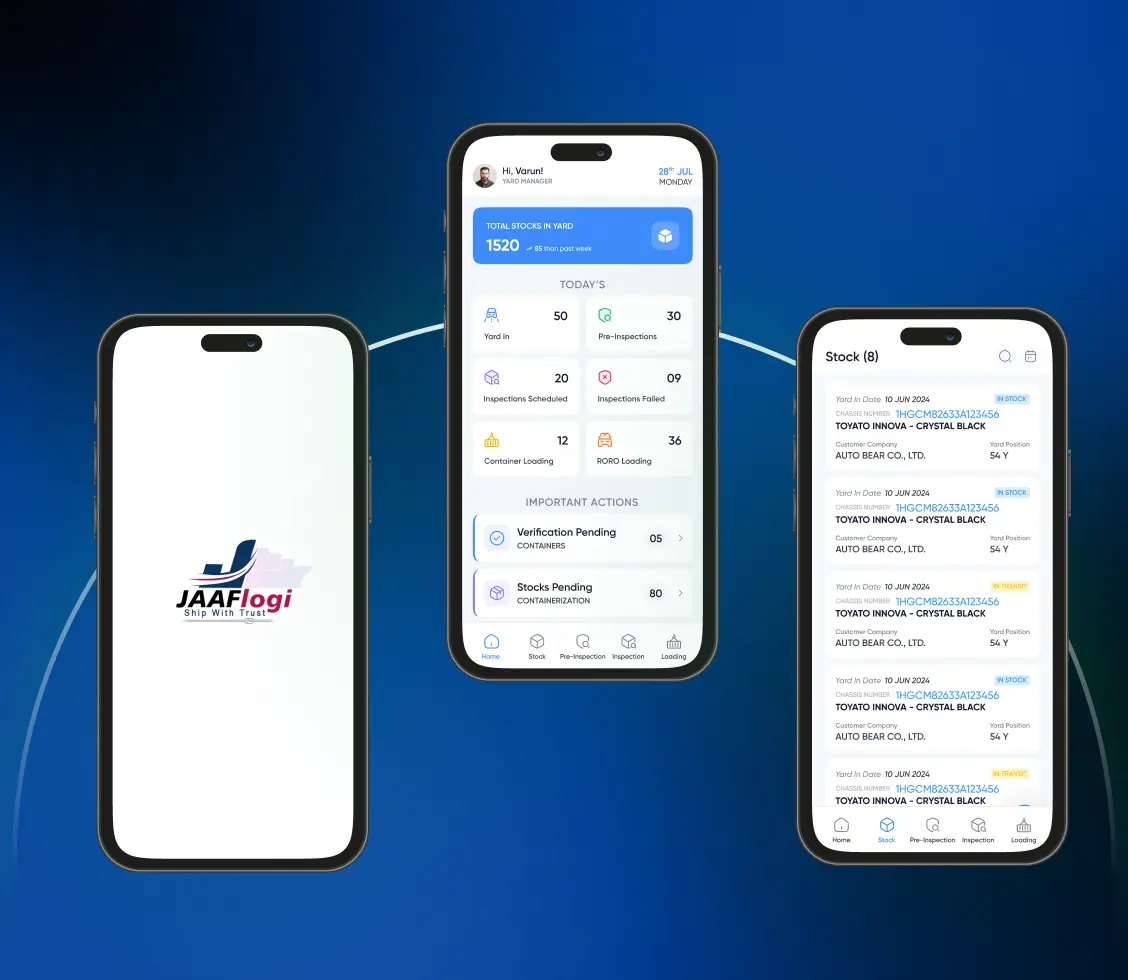
Vehicle Export Logistics APP — JAAFlogi
Challenge
Exporting used vehicles from Japan needs coordination across trucking, inspection, customs, and shipping, with manual processes causing delays and zero visibility for global buyers.
Solution
We built JAAFlogi, a web and mobile platform managing the vehicle export lifecycle end to end: stock, trucking, inspections, RORO shipping, customs, billing, real-time tracking, dedicated yard and driver apps, and a bilingual English/Japanese customer portal.
Impact

How We Build Your B2B Portal
A sequence that starts with how your customers actually buy and how your ERP actually prices, because the commercial logic and the integration decide the build far more than the storefront does.
Discovery & Buying-Model Mapping
We map how your customers actually buy: how pricing is decided, how credit and terms work, who approves what, how orders reach you today and what your ERP holds. This is where we tell you honestly whether a hosted B2B plan would serve you better than a build.
Pricing, Catalogue & Credit Architecture
The pricing engine, the catalogue structure and the credit model are designed against your real contracts, slabs and terms, and decided against where the ERP is the source of truth. Get this right and the rest of the portal follows; get it wrong and no amount of storefront polish saves it.

Portal & Ordering Experience Build
The buyer accounts, the reorder and bulk-order experience, the quote workflow and the approval flows are built in reviewable increments, tested the way a business buyer actually works rather than how a consumer browses, so a routine reorder is genuinely fast.

ERP, Payments & Credit Integration
The portal is wired two-way to your ERP for stock, pricing, credit and invoicing, payments connected to settle to your account, and GST-compliant invoicing fed into your ledger, so the portal and the business stay in agreement rather than drifting apart.

Data Migration & Buyer Onboarding
Customers, price lists, catalogues and order history migrated cleanly, and your buyers onboarded onto the portal with the hand-holding a trade customer needs, because a portal your customers do not adopt is a project that did not land, however well it was built.

Post-Launch, Rollout & Scale
We stay for the rollout across your customer base and the growth after: more buyers, more branches, deeper ERP flows and the new pricing and approval rules a growing business keeps needing, and we hand over a portal you own rather than one you depend on us to change.

A Hosted B2B Plan, or Build Your Own?
Shopify Plus and BigCommerce now sell B2B plans, and for a lot of businesses they are the right call. Here is when a hosted plan is enough, and the narrower case where the commercial logic needs a build.
When a Hosted B2B Plan Is Enough
Straightforward customer-group pricing, a catalogue a hosted plan can carry, credit and approvals you can run simply, and an ERP with a supported connector. A Shopify Plus or BigCommerce B2B plan launches fast and covers a great deal. If that is you, use it, and we will say so in discovery.
When It Stops Working
Four conditions, and one is enough: your contract pricing and slabs are too intricate for a plan's price rules; the ERP integration has to be deep and two-way rather than a nightly export; the credit, approval and distributor-hierarchy logic is more than a plan bends to; or the portal must live inside your own systems. Then the commercial logic needs a build.
What Building Actually Costs
The build, then the running and integration cost that keeps it agreeing with your ERP as both change. It earns its cost when a condition here is genuinely true, or when the per-transaction and platform fees on your volume have crossed over against owning it. That arithmetic is worth doing properly, with your numbers, before anyone writes code.
A B2B Portal Is Not a B2C Store Reskinned
The most expensive route is a consumer store bent into a B2B one, because the pricing, credit and approval model is the build and a B2C foundation fights it at every step. Whether hosted or custom, the right start is a B2B-first design, not a storefront with wholesale bolted on afterwards.
Who We Build B2B Portals For
Every one of these sells to other businesses, on their own prices and terms, and reaches the point where taking those orders by hand costs more than a portal to place them.

Manufacturers & Brands
Selling to the trade rather than the public, with dealer and distributor pricing, minimum orders and the need to give buyers a self-service channel that reflects the contracts already negotiated with them.
Distributors & Wholesalers
Moving high order volumes on credit and terms, where the routine reorders should run themselves through a portal so the sales team sells rather than transcribes, and every order lands already correct in the ERP.
Dealer & Distributor Networks
Multi-tier structures where a brand sells to distributors who sell to dealers, each needing their own pricing, credit and view, rolling up through the right territory and branch rather than one flat customer list.
Importers & Exporters
Trading across borders and currencies, where the catalogue, pricing and documentation have to work for buyers in different markets and the portal is the single place those orders are placed and tracked.
Industrial & MRO Supply
Deep technical catalogues of parts and consumables bought by code and specification, where fast, accurate reordering and correct pricing per account matter far more than product discovery or merchandising.
FMCG, Pharma & Building Materials
High-frequency distribution to retailers and outlets, where scheme and slab pricing, credit control and GST-correct invoicing across a large customer base are the difference between a portal that helps and one that creates work.
Data, Ownership & Control
A B2B portal holds your customer relationships, your pricing and your credit exposure. Who controls that, and how it is protected, is an engineering stance rather than a slogan.

You Own the Buyer Relationship
The customer accounts, the order history and the buying patterns stay with you on your infrastructure, so the relationship and the data that explains it are yours, not a platform's to rent back.

DPDP & Customer Data
Consent, purpose limitation, role-scoped access and erasure for the people behind your business accounts, aligned with India's Digital Personal Data Protection Act.

Role-Scoped Access & Audit
Access scoped by role so buyers, approvers, sales reps and admins each see only what they should, with an audit trail of who ordered, who approved and what changed.

Own the Platform & Code
The portal and the source code are yours and handed over, so you are never locked to one agency or a platform's roadmap and pricing for a system your business runs on.

ERP as the Source of Truth
The portal reads pricing, stock and credit from the ERP that owns them rather than holding a second copy, so there is one version of the truth and the buyer sees what the business honours.

GST & e-Invoicing Capability
Built to compute, capture and report GST on B2B sales and feed compliant invoices into your ledger, with the rules configurable because rates and treatment are your accountant's call.
Why Businesses Choose Webority
What a distribution business weighs before committing a build: whether the partner understands B2B commercial logic, whether they can integrate the ERP properly, and whether they will tell you when a hosted plan is enough.
Built Under CMMI Level 5 & ISO 27001
Your portal is engineered under CMMI Level 5 process quality and ISO 27001 security controls. When a system holds your pricing, your credit exposure and your customer data, an audited standard is the minimum to ask of a partner.
We Build the Commercial Logic
Contract pricing, credit, approvals and reordering are the build, not a store with wholesale bolted on. A partner who treats them as add-ons has not built for a distribution business before.
ERP Integration Done Properly
Two-way integration with SAP, Oracle, Microsoft Dynamics, Tally or a bespoke ERP, so the portal reflects the real price, stock and credit rather than a copy that drifts and erodes trust.
We Tell You When a Plan Is Enough
Sometimes a Shopify Plus or BigCommerce B2B plan is the right answer, and we say so and lose the build. A partner who insists on custom for a plan-shaped problem is quoting, not advising.
Delhi NCR Delivery, Global Clients
Our engineering centre is in Delhi NCR and we build for clients across India, the US, the UK and the Gulf, with overlap hours and a cost base that makes owning the portal viable.
You Own the Portal & the Data
The code, the platform and the customer data are yours and handed over, on your infrastructure, with DPDP-aligned handling and no lock-in to one agency or platform roadmap.
Certificates and Compliances
At Webority Technologies, we take pride in our professional recognition and reputation as a trusted name for all your business solution needs. Rely on us for expert guidance and exceptional results.









Related Services & Capabilities
A B2B portal connects to the rest of how you sell and operate. These are the adjacent builds, designed to connect to it rather than overlap it.


What Our Clients Say
Real words from the founders, product owners, and CTOs who chose Webority




Frequently Asked Questions
B2B ecommerce development is building the ordering system a manufacturer, distributor, wholesaler or brand needs so its business customers can place their own orders, instead of running everything through a salesperson, a phone call, a WhatsApp message or a shared spreadsheet. It looks like a store, but it behaves differently underneath, because businesses do not buy the way consumers do: the price depends on who is logged in and how much they order, a credit limit and payment terms sit behind the checkout, larger orders route through an approval chain, and most orders are repeats of the last one. The real work is that commercial logic and the integration with the ERP that already runs your stock, pricing and invoicing, not the storefront on top.
It depends on scope, so we quote after discovery rather than from a price list. The drivers that actually move the number are how complex your pricing is, from a simple wholesale rate to full customer-specific contract price lists and quantity slabs, whether quotes and negotiated orders are in scope, how deep the ERP integration goes and to which system, whether credit limits and payment terms are managed in the portal or the ERP, how many buyer roles and approval levels you need, and whether you need a sales-rep ordering app alongside the customer portal. A single wholesale ordering site is a fraction of a distributor portal with contract pricing, credit control and live two-way ERP sync. The comparison worth running is our fee against the cost of the manual order-taking, errors and re-keying the portal removes over the years you will run it.
By almost everything except the fact that there is a catalogue and a cart. A B2C store shows one price to everyone, takes payment at checkout and treats each order as a fresh decision. A B2B portal shows a price that depends on who is signed in and how much they order, often against a contract negotiated offline, and lets a business buy on credit within a limit and pay on terms rather than upfront. Orders can need approval before they are placed, buyers reorder the same lines repeatedly so the fastest path to a large order matters more than discovery, and the whole thing has to agree with the ERP that holds the real stock, pricing and customer accounts. Reskinning a consumer store rarely produces this; the buying model is the build.
Pricing is resolved per customer rather than shown as one public number. A logged-in buyer sees their own price list, which can come from a contract, a customer group, a channel or a promotion, with quantity slabs so the unit price steps down as the order grows and minimum order quantities enforced where they apply. Credit sits alongside it: a customer has a limit and payment terms, the portal knows how much of that limit is already used against unpaid invoices, and it decides at checkout whether an order can go on account or needs payment now. Where your ERP already holds the price lists and the credit position, the portal reads them from there rather than keeping a second copy that drifts, so the number the buyer sees is the number the business actually honours.
Yes, and on most B2B projects that integration is the real work rather than a final step. Your ERP already holds the stock, the customer-specific pricing, the credit position and the invoicing, so the portal is built to read from and write back to it rather than becoming a second system that disagrees with the first. We integrate with what you run, whether that is SAP, Oracle, Microsoft Dynamics, Tally, Busy or a bespoke system, through whatever it exposes, and where it exposes an outdated interface or none at all we say so during discovery rather than discovering it mid-build. On tax, the portal is built to compute, capture and report GST on B2B sales and to feed compliant invoices into the ledger you already keep, with the rules configurable because rates and treatment are your chartered accountant's call.
By who is selling to whom. This page is for a single business selling to its own business customers: one manufacturer, distributor or brand, with contract pricing, credit, approvals and reordering. Our multi-vendor marketplace page is for when many independent sellers list on one platform and you take a commission on their sales, which is a different build with different money flows. Our ecommerce platform development page covers the general own-store build and migrating or replatforming a consumer store, and if you sell to consumers rather than businesses, start there. Most wholesale and distribution businesses need this B2B portal; a many-seller marketplace or a consumer storefront is a neighbouring build, and we point you to the right one rather than stretch this page to cover all three.