


















Food Delivery App Development Company for Restaurants, Chains & Marketplaces
Webority builds the four surfaces a food business actually runs on: the customer ordering app, the merchant panel a kitchen accepts orders on, the rider app with navigation and proof of delivery, and the console holding zones, pricing and commissions. Dispatch that accounts for preparation time, live tracking with an estimate that updates, UPI and cash on delivery with the reconciliation that follows. You own the code, the customer data and the margin on every order. Engineered under CMMI Level 5 and ISO 27001, from our Delhi NCR centre for clients across India, the US, the UK and the Gulf.
Get a Free Consultation
Fill in your details, and we will respond within 24 hoursTrusted by Leading Brands & Growing Startups







What Food Delivery App Development Actually Means
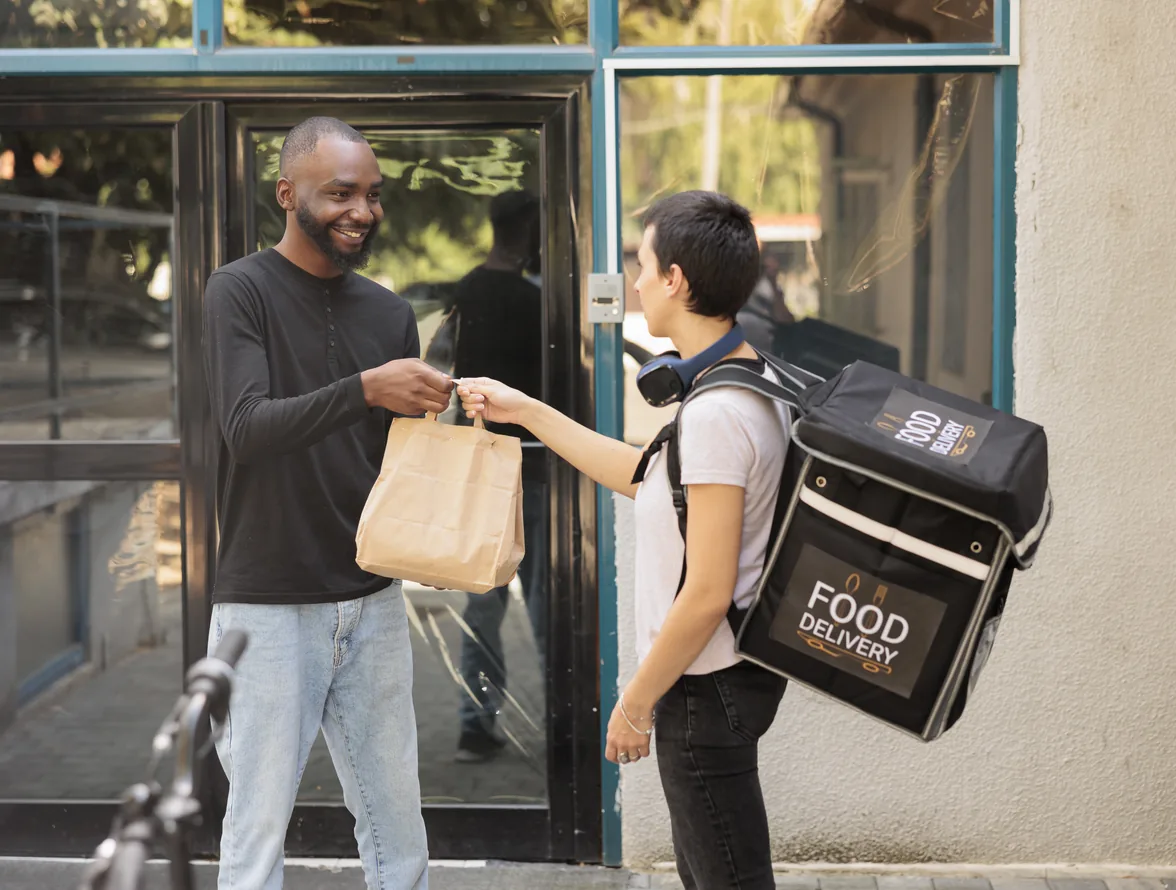
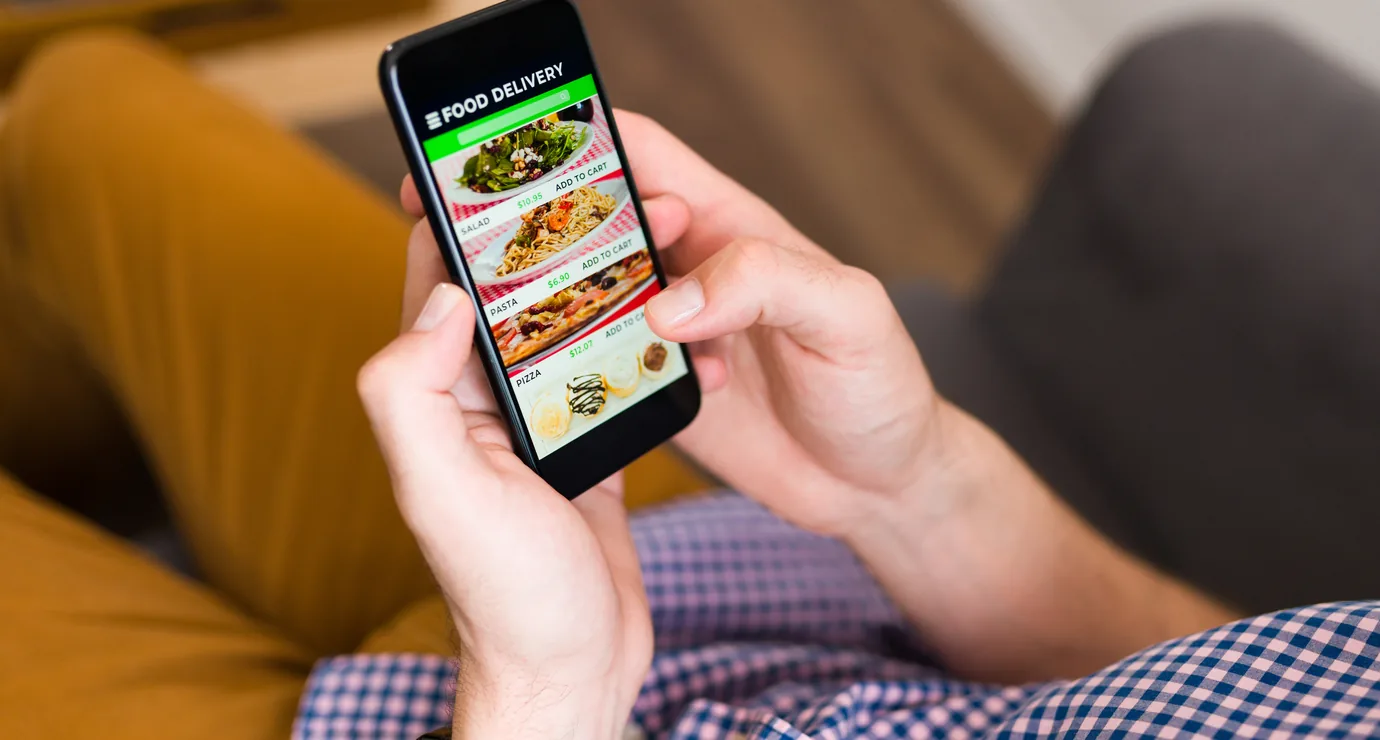
The customer app is the part everybody pictures and the least difficult part to build. The system is four surfaces on one backend: the app a customer orders from, the panel a kitchen accepts or rejects on, the app a rider carries, and the console where zones, pricing, commissions and reporting live. What decides whether it works is none of those screens. It is dispatch, live tracking, and an order state machine that stays correct when a rider cancels at the door or the kitchen runs out of an item mid-preparation.
Most restaurants should not build this. The aggregators are genuinely good at discovery, and an app of your own does not create demand that was not already there. This page is about the narrower case: when commission on repeat orders from customers who already know you has become one of your largest costs, when you run several outlets or brands and need one view of them, or when the customer data is the thing you actually want.
Why Food Businesses Build Their Own
Six reasons an operator stops paying commission on every order and starts owning the channel. If none of these describes you, the honest answer is to stay where you are, and we say so below.


Commission Is Charged on Loyalty Too
A platform earning its cut on a first order has genuinely introduced you to someone. The same cut on the fortieth order from a regular who knows your name is rent on a relationship you already own. Discovery is worth paying for; repeat is where the arithmetic turns, and it turns quietly, because the invoice never separates the two.
The Customer Is Not Yours
On an aggregator the diner belongs to the aggregator. You cannot reach them, you cannot tell them the new menu launched, and the order history that would tell you what to cook more of is not yours to analyse. For a business whose whole advantage is knowing its regulars, that is a structural problem rather than a pricing one.
The Rider Decides What the Food Tastes Like
A dish that left the pass correct and arrived cold is remembered as your failure, not the platform's. When dispatch is somebody else's algorithm you cannot see, you carry the reputational cost of decisions you did not make and cannot inspect. Owning dispatch means preparation time enters the calculation, so a rider is not waiting fifteen minutes at your counter with three other orders going cold in the bag.
One Menu, Re-Keyed Everywhere
A price rises, an item goes off, a store closes early. That change now has to be made on two aggregator dashboards, the POS and the website, by someone during service. It will be missed somewhere, and the failure surfaces as a cancelled order and a bad rating. One catalogue that propagates outward is unglamorous and is the change operators notice most.
Three Tablets and No Single Queue
Each channel arrives on its own screen with its own alert, and the staff member at the pass is the integration layer. Nobody can answer how many orders are actually open, and reconciling the day means exporting from three places and hoping the totals agree. The single order pipeline is worth more than any customer-facing feature on the roadmap.
Multi-Outlet Breaks the Model Entirely
Several outlets, or several brands out of one kitchen, and the questions change: which location should take this order, what does each brand actually contribute, how do prices differ by city, and who is allowed to change what. Tools built around a single storefront answer none of that, and the spreadsheet that fills the gap becomes the real system of record.
Core Modules of a Food Delivery Platform
Six connected modules that carry an order from a menu tap to a doorstep, and into your accounts afterwards.
- 01 Customer Ordering App
- 02 Menu, Catalogue & Stock
- 03 Merchant Panel & Order Flow
- 04 Dispatch & Rider App
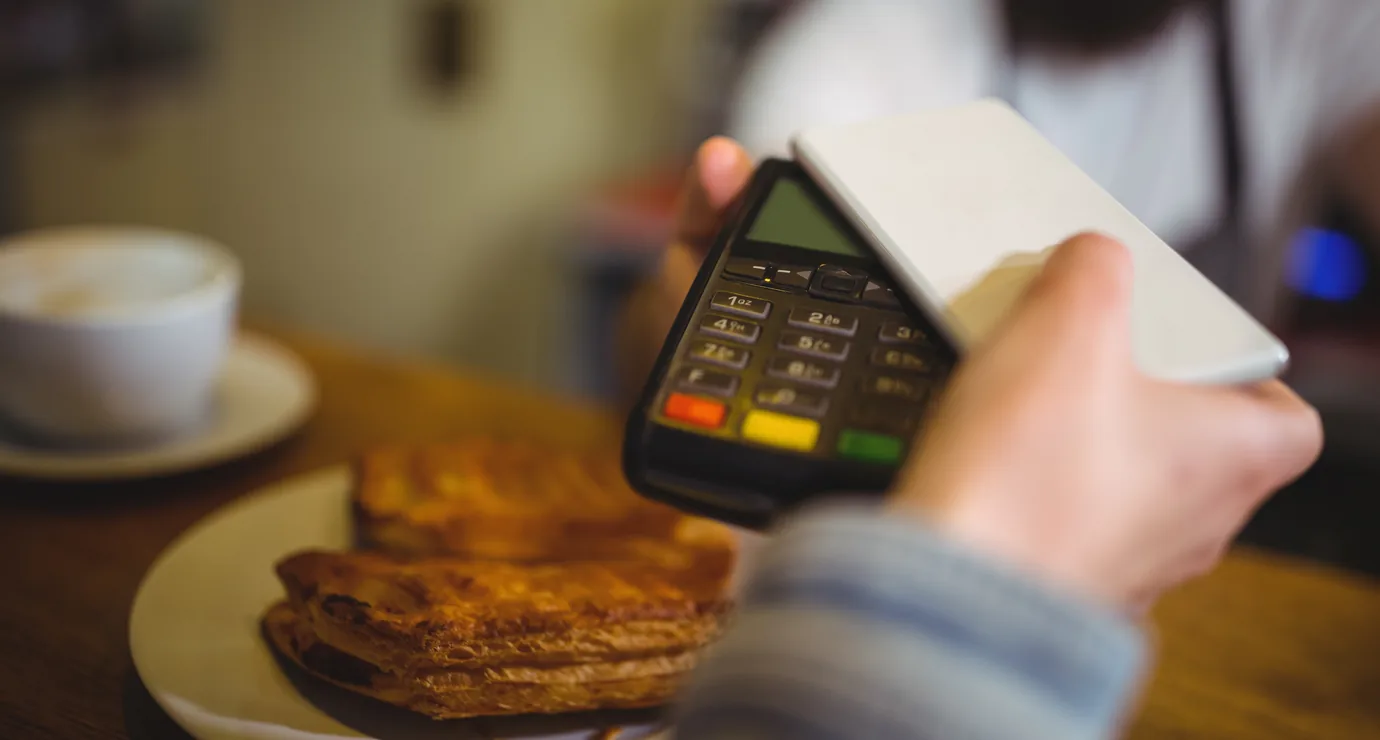
- 05 Payments & Settlement
- 06 Admin, Zones & Analytics



The Delivery Engineering
Six decisions that determine whether the platform holds up on a Friday night. None of them is visible in a demo with four test orders, and every one of them is where real deployments fail.

Dispatch & Assignment
Riders matched on travel time, current load, batching rules and kitchen preparation time, so nobody waits at the counter while three other bags go cold.

Live Tracking & ETA
A location stream from the rider pushed to the customer, with an estimate recalculated as conditions change rather than a number promised once at checkout and quietly missed.

Order State Machine
The unglamorous core: an order that stays correct through rejection, item unavailability, rider cancellation and reassignment, without a human repairing it by phone.

UPI & Cash on Delivery
UPI as the default rail settling to your own account, plus cash on delivery with rider float, daily reconciliation and the shortfall handling that always follows it.

Peak-Hour Capacity
Food ordering is two spikes a day, not a curve. Capacity sized and load-tested against your dinner rush, because that is the only hour the platform is genuinely judged on.

POS & Channel Integration
Your own orders pushed into the POS the counter already uses, and other channels pulled into the same pipeline, so the pass has one queue instead of three tablets.
Our Journey Of Making Great Things
Numbers that reflect over a decade of consistent delivery, trusted partnerships, and engineering excellence.
Years of experience
Projects delivered
Clients served
Countries reached
Our Success Stories
Every case study below is a product in production, built across healthcare, fintech, government, and e-commerce, and measured by the outcomes it delivers.
Field Inspection App - BRRF
Challenge
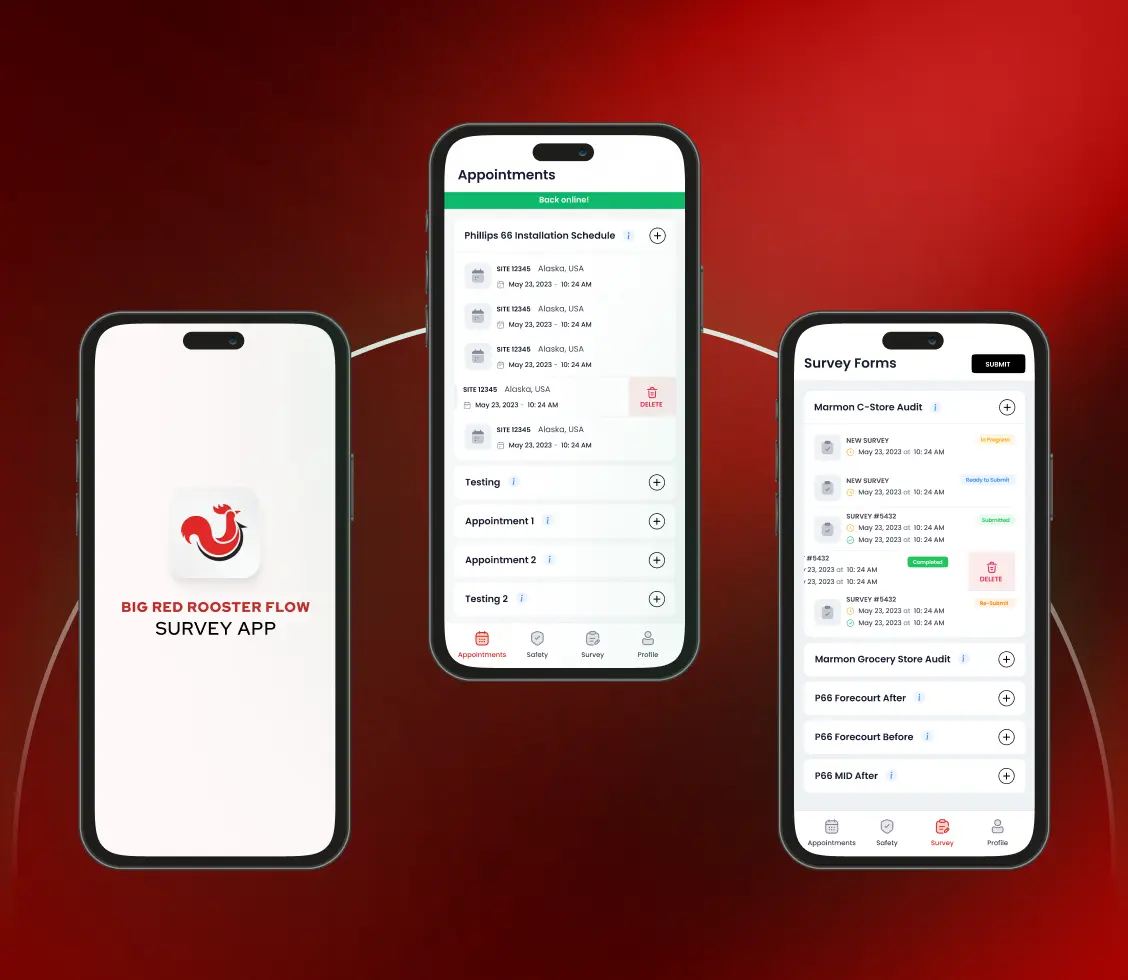
Big Red Rooster Flow's paper-based inspections across 500+ gas stations for Exxon, Marathon, 7-Eleven, Gulf, and BP suffered from 42% data error rates, 60-minute inspection times, and zero location verification, causing $4.2M in annual losses and threatening $18M in contracts.
Solution
We built a mobile-first survey platform with a no-code visual form builder, intelligent brand-specific survey logic, 99.3% accurate geofencing, full offline capability for 30+ days, a real-time operations dashboard with automated reporting, and role-based access for admins and field teams, deployed across 850+ field inspectors nationwide.
Impact
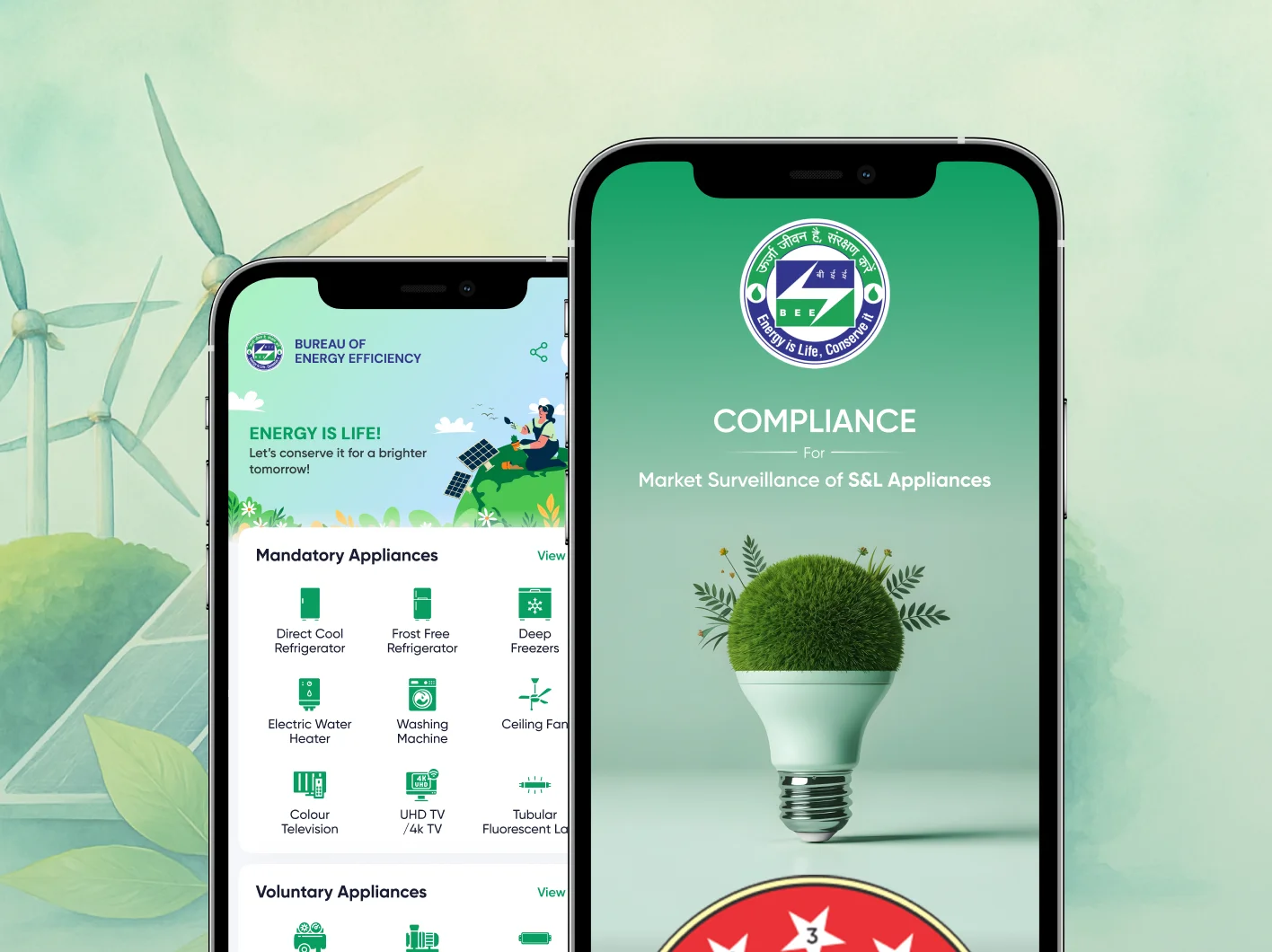
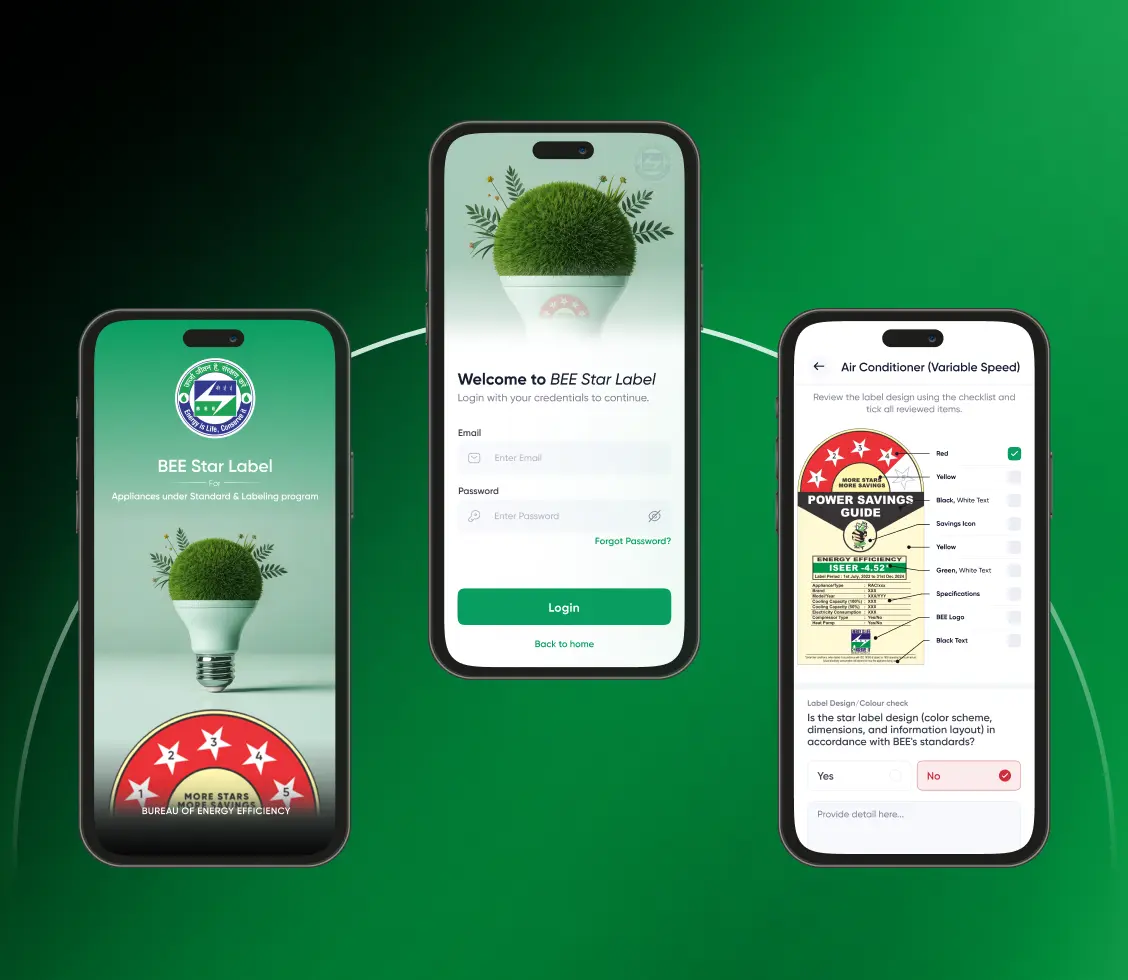
Energy Star Label Compliance App - BEE
Challenge
Manual inspection of Energy Star labels across India's vast appliance market was slow, error-prone, and lacked centralised visibility, making it difficult for BEE to enforce compliance or for consumers to verify appliance ratings.
Solution
We built a mobile and web platform that enables surveyors to validate star ratings, capture geo-tagged data with photo evidence, work offline, and generate instant reports, while giving consumers a simple interface to browse certified appliances, verify authenticity through star-label lookup, and raise complaints directly to BEE.
Impact
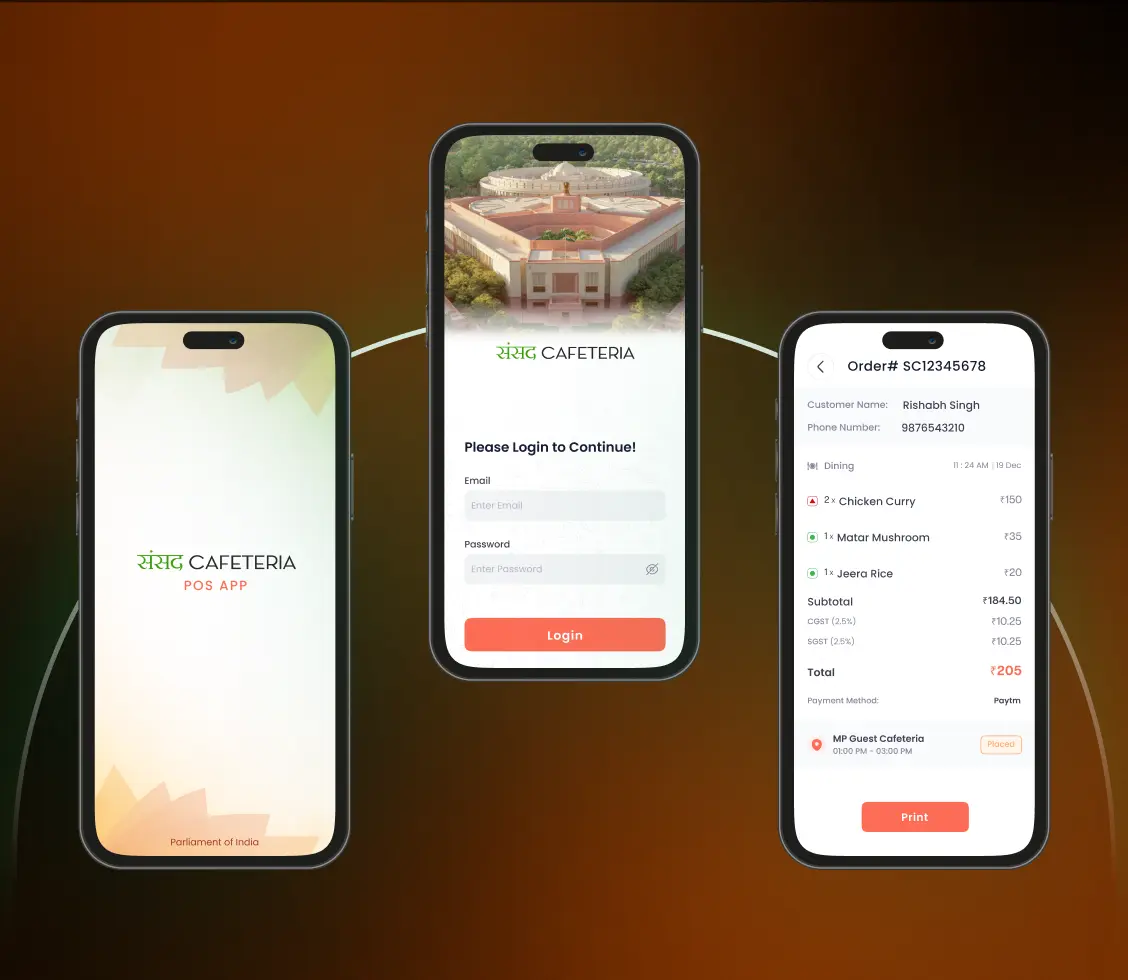
Cafeteria & Food Ordering App - Parliament of India
Challenge
Food ordering within the Indian Parliament relied on traditional, manual processes, leading to long wait times, operational inefficiency, and logistical challenges in managing catering across a high-security environment.
Solution
We developed a mobile app for MPs and staff with real-time menu access, QR-based pickup, in-room delivery, integrated digital payments, and full order history, along with an admin portal for ITDC to manage live orders, menus, pricing, user roles, inventory, and reporting across Parliament canteen operations.
Impact
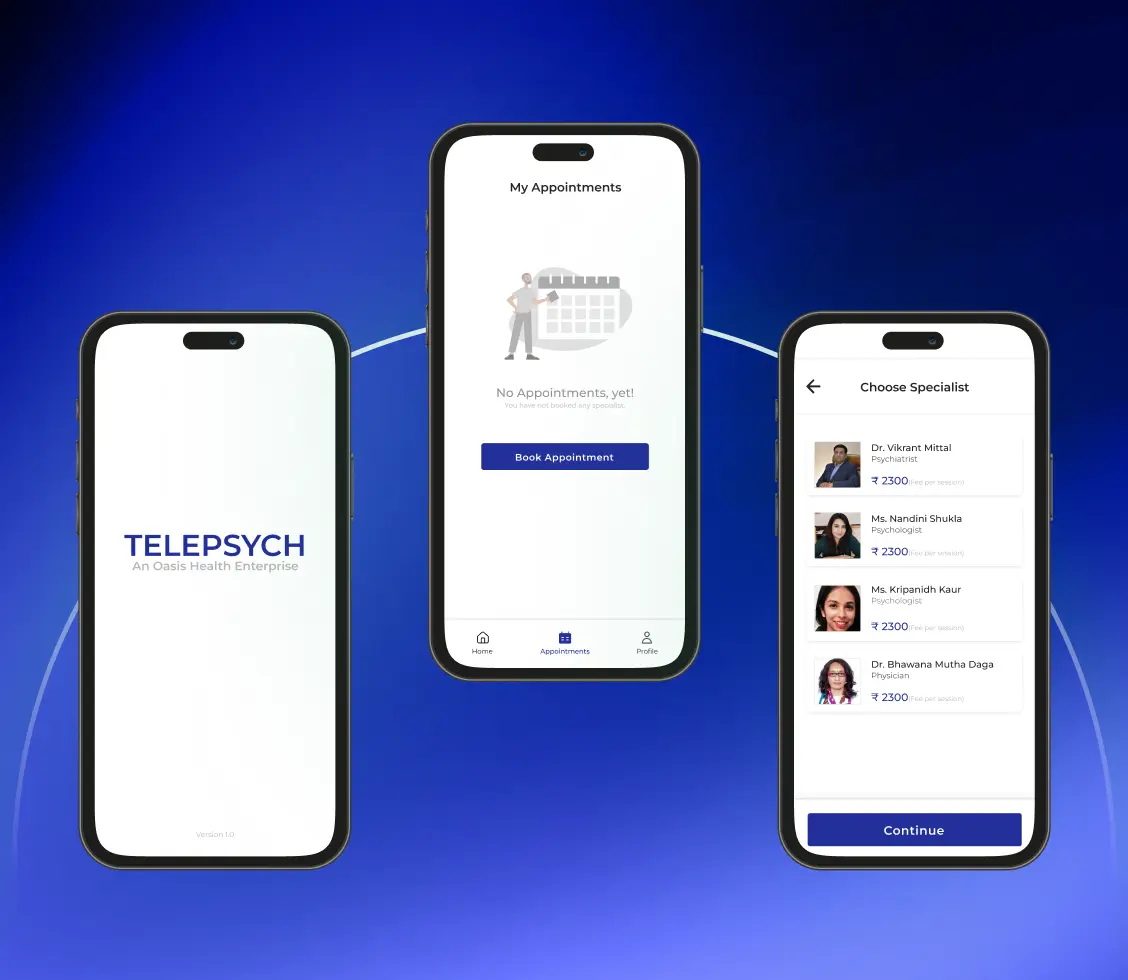
Mental Health Consultation & Booking App - Telepsych
Challenge
Fragmented booking systems and limited online options made accessing mental health consultations difficult for patients, while doctors and admins struggled with manual scheduling.
Solution
We built Telepsych, a web and mobile platform for booking online (Zoom) and in-person consultations, with secure payments, automated reminders, and session history, plus dedicated portals for doctors to manage availability and patient records, and for admins to oversee bookings, refunds, earnings reports, and daily clinic operations.
Impact
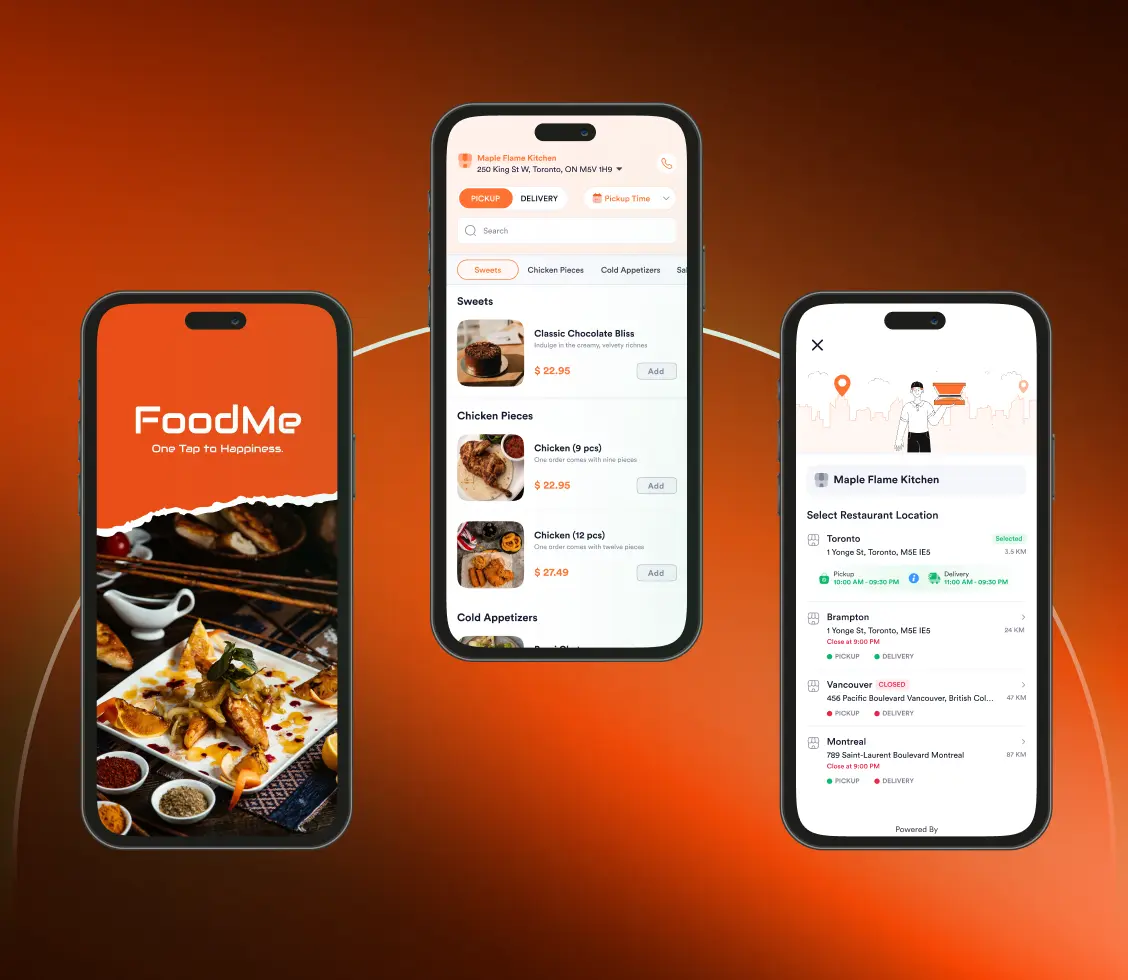
Online Ordering & Loyalty App - Foodme
Challenge
Restaurants lacked tailored digital tools for online ordering, payment processing, and customer engagement, limiting operational efficiency and scalable growth in an increasingly digital market.
Solution
We built custom mobile apps and websites with a central admin portal for menu and order management, Stripe-based secure payments, real-time order tracking, and built-in loyalty features including reward points, tiered memberships, personalised promotions, and push-notification campaigns to drive repeat customer engagement and retention.
Impact
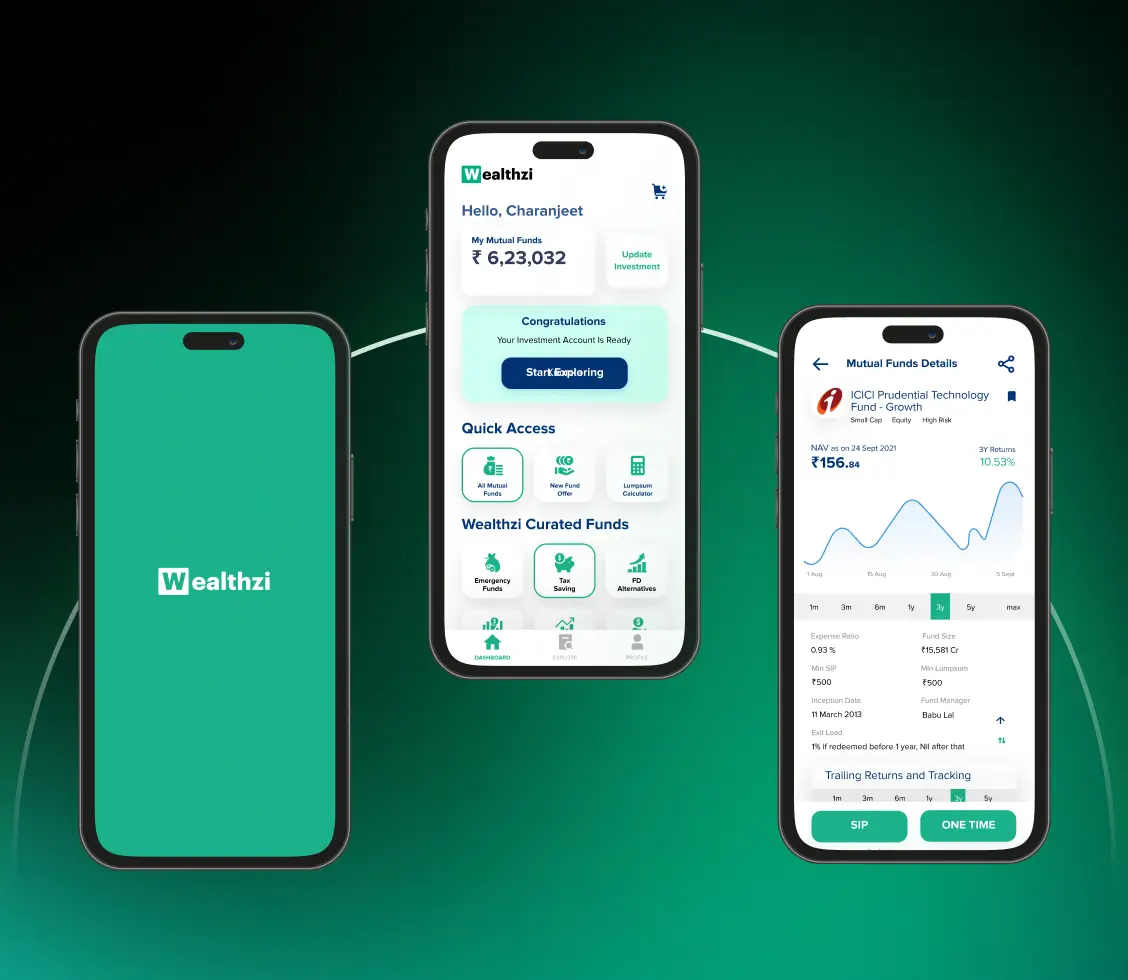
Wealth Management & Direct Investing APP — Wealthzi
Challenge
Indian investors lacked a unified, intelligent platform to manage diverse investments, relying on fragmented tools, manual advisory, and limited personalisation across mutual funds, PMS, and AIFs.
Solution
We built Wealthzi, a SEBI-compliant mobile and web platform offering zero-commission direct mutual fund investing, automated portfolio management, goal-based financial planning, AI-driven nudges for smarter decisions, seamless paperless KYC onboarding, and advisor tools for distributors to manage clients and grow their practice at scale.
Impact
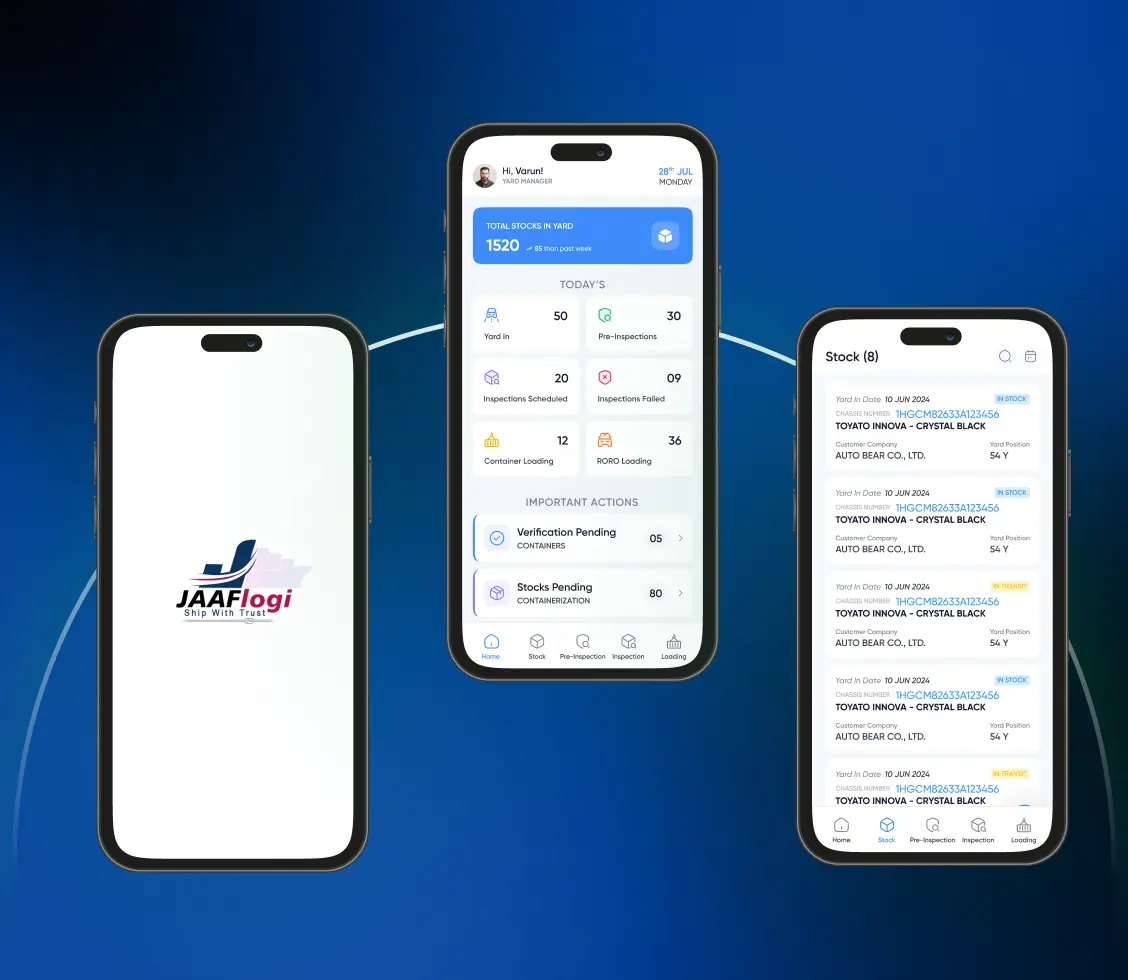
Vehicle Export Logistics APP — JAAFlogi
Challenge
Exporting used vehicles from Japan needs coordination across trucking, inspection, customs, and shipping, with manual processes causing delays and zero visibility for global buyers.
Solution
We built JAAFlogi, a web and mobile platform managing the vehicle export lifecycle end to end: stock, trucking, inspections, RORO shipping, customs, billing, real-time tracking, dedicated yard and driver apps, and a bilingual English/Japanese customer portal.
Impact

How We Build Your Delivery Platform
A sequence built around a kitchen that is still serving. We start with your commission arithmetic rather than a feature list, pilot on one outlet, and never cut over during a rush.
Discovery & Order-Journey Mapping
We walk one real order end to end, from the tap to the doorstep to the day's reconciliation, and put your actual commission against your repeat rate. This is where we tell you if staying on the aggregators is the better answer.
Menu Model & Experience Design
How items, modifiers, combos and portion sizes are modelled decides everything downstream, so it is settled first. Then the ordering experience, designed against a long menu and a thumb during the rush.

Apps & Dispatch Build
Customer app, merchant panel, rider app and console built in reviewable increments against your real menu and real delivery zones, not demo data where every order is paid by card and every rider is free.
Payments, POS & Channel Integration
Gateways settling to your own account, GST configured with your accountant in the room, your POS wired so the pass has one queue, and other channels pulled into the same order pipeline and reporting.
Peak Load Test & Single-Outlet Pilot
We simulate your dinner rush and beyond, then go live on one outlet with real riders and real customers before the rest follow. The pilot always teaches something the brief did not contain.
Rollout, Training & Growth
Outlet by outlet, with the kitchen and rider teams trained on their own screens. Afterwards we watch repeat rate and drop-off, and build what the first season proved you needed.
Aggregators, or Your Own App?
Framed honestly, because most operators should run both and the pitch that says otherwise is a pitch. Here is the test we apply, and it disqualifies a good share of the enquiries we get.
When the Aggregators Are Right
One outlet, a young brand, and demand that still has to be created rather than served. The platforms are genuinely good at discovery, and an app of your own does not put you in front of anybody new. If nobody is searching for you by name yet, put the budget into the food and the marketing. We will say so in discovery.
When It Stops Working
Four conditions, and one is usually enough: commission on repeat orders from regulars has become one of your largest costs; you have direct demand that discovery is no longer creating; you run several outlets or brands and need one view of them; or the customer data is the thing you actually want. Notice these are all about repeat, never about discovery.
What Building Actually Costs
The build, then the parts nobody quotes: riders to manage or contract, support when an order goes wrong at nine on a Saturday, and the marketing to get the app installed at all. It earns its cost when repeat volume is already there. Built too early, it is an expensive channel with nobody in it, and we would rather say that before you spend.
Most Operators Should Run Both
This is the answer we give most often, and it is not a compromise. Let the platforms do discovery and pay for it willingly. Move the regulars who already know you onto your own app, where the margin is yours and so is the relationship. The goal is shifting the repeat share, not switching a channel off on a date.
Who We Build Food Delivery For
Every one of these reached the same conclusion from a different direction: the orders are already there, and too much of what they earn is leaving on the way through.
Restaurant Chains Going Direct
Enough outlets and enough regulars that commission on repeat orders is now a line the finance team asks about. The work is shifting the repeat share onto an owned channel without losing the discovery the platforms still provide.
Cloud Kitchens & Multi-Brand
Several brands out of one kitchen, where the questions are contribution per brand and capacity across all of them. Ordering and dispatch live here; the kitchen operations behind the pass are our cloud kitchen platform.
Marketplace & Aggregator Operators
Running other people's kitchens, usually in a city or a category the national platforms serve poorly. Onboarding, commission and split settlement are the actual product, and getting money to merchants correctly is what decides whether they stay.
Meal Plans & Tiffin Services
Where the same customer eats every day, so the problems are pause, skip, swap and delivery windows rather than discovery. The recurring billing behind it is our subscription commerce build, connected to this one.
Corporate & Institutional Catering
Offices, campuses and hospitals where the buyer is a company, meals are pre-booked against a headcount, and invoicing is monthly against a contract rather than a card at checkout. A different order shape entirely from consumer delivery.
Specialty & Regional Food Brands
Bakeries, sweet shops, meat and regional specialities where the catalogue behaves oddly: made to order, sold by weight, seasonal, or needing a cold chain the generic platforms model badly or not at all.
Money, Compliance & Control
The half of a delivery business nobody demos: what was collected, who it is owed to, what the tax treatment is, and who keeps the customer list. Where a deeper review is warranted, our cybersecurity consulting team works alongside the build.

Commission & Settlement
Where other merchants trade on your platform: commission rules, split settlement, payout schedules and statements a merchant can actually reconcile against their own till.

GST on Food & Delivery
Computed and captured across restaurant supply and delivery charges, configurable because rates, thresholds and treatment change and are your CA's call, with invoices into Tally or Zoho Books.

Licence & Outlet Records
FSSAI licence numbers, validity dates and outlet records captured and surfaced where they must be displayed, with expiry visible before it becomes a problem.

Payment Security
Tokenised card handling through your gateway so raw card data never touches your servers, designed to reduce the scope your assessor has to examine rather than to claim a certification.

DPDP & Customer Data
Consent, purpose limitation, retention and erasure for order history and addresses, with role-scoped access so a store manager sees their outlet and not the whole customer base.

You Own the Customer List
Order history, addresses and repeat behaviour sit on your infrastructure and the code is handed over, so nobody takes a percentage of every order or decides what you may export.
Why Food Businesses Choose Webority
What an operator weighs before adding a channel they have to run themselves, when the current one already delivers orders every evening without them.
Built Under CMMI Level 5 & ISO 27001
Your platform is engineered under CMMI Level 5 process quality and ISO 27001 security controls. Against a field of template shops selling readymade apps, that is an audited standard rather than a promise.
We Build the Dispatch, Not Just the App
Assignment, batching, preparation time and the order state machine are where delivery platforms actually fail. We start there, because a beautiful ordering screen on top of naive dispatch delivers cold food.
We Tell You When to Stay on the Aggregators
If discovery is still your constraint, an owned app is an expensive channel with nobody in it. We say so and lose the project, because a partner who only recommends building is quoting, not advising.
We Build for How India Pays
UPI as the default rail, cash on delivery with rider float and daily reconciliation, and GST on food and delivery handled as configurable rules rather than an afterthought bolted on at invoicing.
Tested Against Your Dinner Rush
Food ordering is two spikes a day, not a curve. We load-test against your real peak and pilot on one outlet with real riders before the rest follow, because that hour is the only one that judges you.
Delhi NCR Delivery, Global Clients
Our engineering centre is in Delhi NCR and we build for food businesses across India, the US, the UK and the Gulf, with overlap hours and a cost base that makes owning the channel viable.
Certificates and Compliances
At Webority Technologies, we take pride in our professional recognition and reputation as a trusted name for all your business solution needs. Rely on us for expert guidance and exceptional results.








Related Services & Capabilities
Ordering and delivery are one part of a food business. These are the adjacent builds, designed to connect to this one rather than overlap it.



What Our Clients Say
Real words from the founders, product owners, and CTOs who chose Webority




Frequently Asked Questions
Food delivery app development is building the connected system a food business needs to take and fulfil its own orders, rather than renting one. In practice it is four surfaces on one backend: a customer app for browsing, ordering and paying, a restaurant or merchant panel for accepting orders and managing the menu, a rider app for pickup, navigation and proof of delivery, and an admin console for pricing, zones, commissions and reporting. The visible part is the customer app. The part that decides whether it works is dispatch, live tracking and the state machine that keeps an order correct when a rider cancels or a kitchen runs out.
It depends on scope, so we quote after discovery rather than from a price list. The drivers that actually move the number are how many of the four surfaces you need and on which platforms, whether dispatch is manual or automated, how sophisticated the zone and pricing rules are, whether you integrate an existing POS and which one, whether payments and settlement to multiple merchants are in scope, and the peak order rate the system must survive. A single-restaurant ordering app is a fraction of a multi-restaurant marketplace with automated dispatch. The comparison worth running is not our fee against a subscription, but our fee against the commission you currently pay per order over the years you intend to keep trading.
For most restaurants, stay on them, and we will say so in discovery. Swiggy and Zomato are genuinely good at discovery, and a new app does not create demand. The honest framing is that they are a marketing channel you rent, not a system you own, and building earns its cost at a specific threshold: when commission on repeat orders from customers who already know you has become one of your largest costs; when you have enough direct demand that discovery is no longer the constraint; when you run several outlets or brands and need one view of them; or when the customer data is the thing you actually want. Most operators run both, using the aggregators for discovery and their own app for repeat orders, which is usually the right answer rather than a compromise.
Usually three plus a console, though not every business needs all of them. A customer app is the one people picture. A restaurant or merchant panel matters more than it sounds, because it is where an order is accepted, delayed or rejected, and it is often a tablet in a noisy kitchen rather than a desk. A rider app carries pickup, navigation, proof of delivery and cash reconciliation. The admin console holds zones, pricing, commissions, promotions and reporting. If you deliver with your own staff and run one outlet, you can start with a customer app and a merchant panel and add the rest when the volume justifies it.
Yes. UPI is the default rail for Indian food ordering and we build for it alongside cards, netbanking and wallets, settling to your own account. Cash on delivery is still a meaningful share of orders and brings its own work: rider cash reconciliation, float management and the daily settlement that follows. On tax, the platform is built to compute, capture and report GST on food sales, including the treatment for restaurant supply and for delivery charges, with rules configurable because rates, thresholds and treatment change and are your chartered accountant's call. Invoices push into Tally or Zoho Books rather than exporting a file for someone to re-key.
Dispatch decides which rider gets an order, and it is the part that determines whether the food arrives warm. We build it against your real constraints: distance and travel time rather than straight-line distance, current rider load, whether batching several orders on one trip is allowed, preparation time so a rider is not waiting at the counter, and zone rules. Tracking is a location stream from the rider app pushed to the customer over a live connection, with an estimated time that is recalculated as conditions change rather than a number set once at checkout. For fleet operations at scale, route optimization and partner earnings, that is our delivery partner platform and we link to it rather than duplicating it.
Yes, and on multi-outlet projects this is usually where the real work sits. Orders from your own app can push into the POS your counter staff already use so there is one queue rather than two screens, and where you also trade on aggregators, their orders can be brought into the same order pipeline and the same reporting. Menu and stock changes can then propagate outward instead of being re-keyed in three places. Where a POS or an aggregator exposes no usable API, or an outdated one, we say so during discovery rather than discovering it mid-build.
Yes. The database runs on your infrastructure, in your cloud account, and the source code is handed over at the end. This is frequently the whole reason a build is on the table: on an aggregator the customer belongs to the platform, you cannot reach them directly, and the order history that would tell you what to cook more of is not yours to analyse. Your customer records, order history, menu and pricing rules stay with you, and nobody takes a percentage of every order or decides what you may export.