




























IT Due Diligence Services for Smarter Technology Decisions
Engineer-led technology due diligence from a CMMI Level 5 team. We audit code, architecture, infrastructure, and technical debt, then hand you a report your deal team can act on.
Get a Free Consultation
Fill in your details, and we will respond within 24 hoursTrusted by Leading Brands & Growing Startups








Why IT Due Diligence Matters in Modern M&A
IT due diligence is how serious buyers see what they are actually acquiring. It is an independent technical look at the target's technology, cybersecurity, software, and data, conducted before the deal closes, so risks surface while there is time to act.
Acquisitions rarely fail at the spreadsheet. They fail at the systems no one checked. Shadow infrastructure, technical debt, breaches left unaddressed, licenses that will not transfer. Each one waits quietly in the stack, ready to surface after the deal is done.
That is why diligence done well changes more than risk posture. It shapes valuation, sharpens negotiation, and gives the integration team a head start. Every Webority engagement is engineer-led and CMMI Level 5 disciplined, turning diligence into leverage, not paperwork.
What We Assess in Every Engagement
Every diligence engagement runs the target through the same six lenses, the ones that most often hide deal-breakers. Here's what we assess, and why each matters.






Infrastructure & Architecture Review
A complete review of on-premise and cloud architecture, scalability posture, hosting cost, disaster recovery readiness, and single points of failure. We map the full technology estate and deliver a prioritised modernisation plan aligned with your post-close integration thesis.
Cybersecurity Posture Assessment
Vulnerability scans, access control audits, incident history review, and penetration test evidence. We assess alignment with ISO 27001, SOC 2, GDPR, HIPAA, and CERT-In standards, producing a cybersecurity posture assessment that your risk team can defend to the board
Code Quality & Technical Debt
Static code analysis, dependency graph mapping, and technical debt quantification. We review version control discipline, deployment frequency, test coverage, and engineering maturity, giving you a clear read on what the acquired codebase will cost to own and scale.
Compliance & Regulatory Alignment
Industry-specific compliance review SEBI for fintech, HIPAA for healthcare, GDPR for EU data, CERT-In for government-adjacent systems. We verify documented policies, retention practices, and audit-trail integrity against the regulatory framework your deal depends on.
Software Licensing & IP Ownership
Open-source license exposure, proprietary IP ownership verification, third-party contract transferability, and source code escrow review. Missing IP provenance is one of the most common deal-breakers we surface, so we ensure you're acquiring what you think you're acquiring.
Data Management & AI Exposure
Data retention policies, governance practices, backup integrity, migration risk, and AI/LLM integration exposure. We map how data flows through the target's systems, where it lives, and what regulatory or contractual constraints travel with it post-close.
Our Journey Of Making Great Things
Numbers that reflect over a decade of consistent delivery, trusted partnerships, and engineering excellence.
Years of experience
Projects delivered
Clients served
Countries reached
Trusted by India's Leading Government Institutions
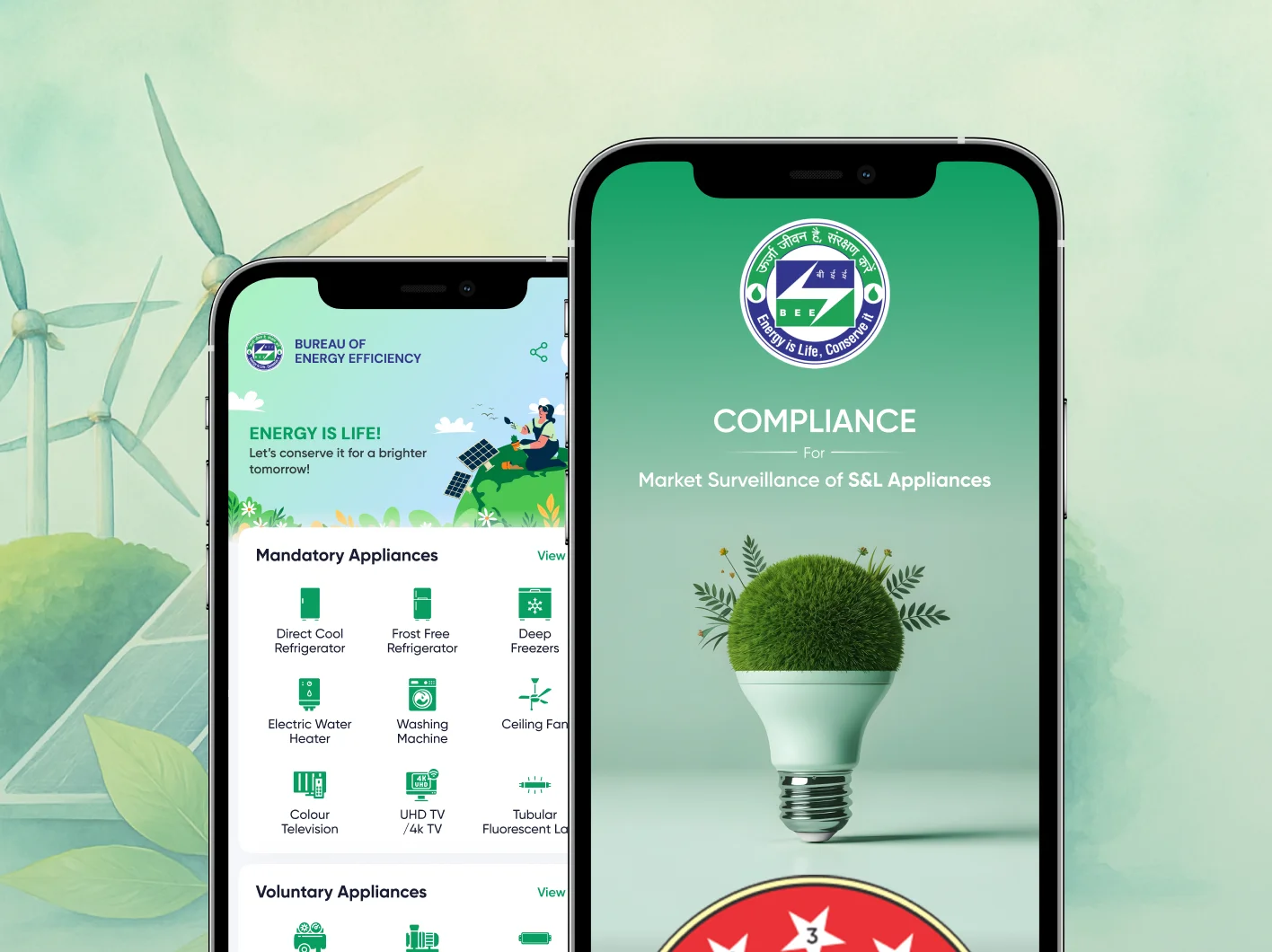
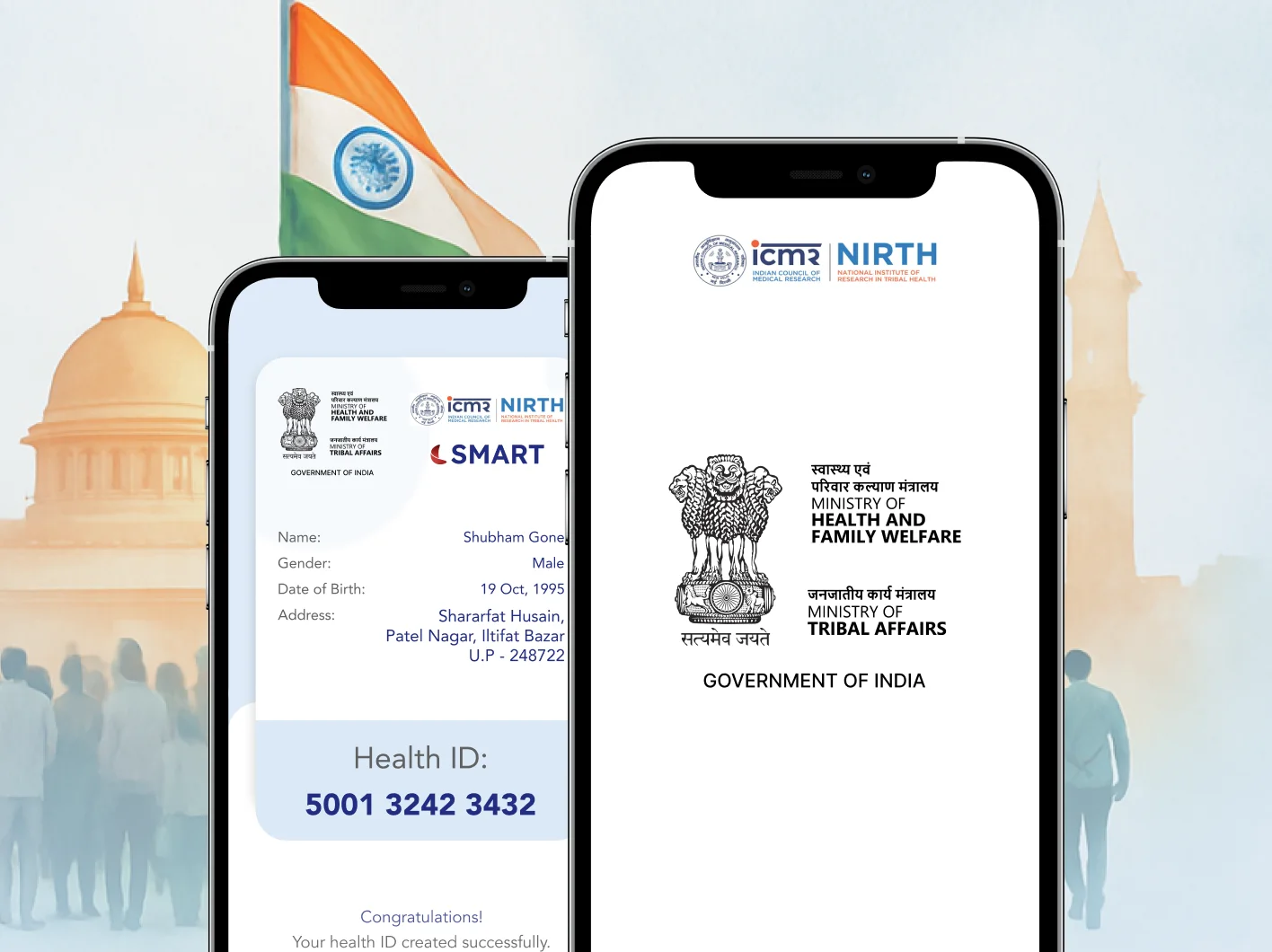
Nine central government ministries have trusted Webority to build their digital platforms from parliamentary operations and defence logistics to national health infrastructure and citizen data collection at scale. Every engagement runs on NIC cloud, meets GIGW accessibility standards, and operates under data handling requirements that commercial projects rarely demand.

Sansad Cafeteria
Ministry of Parliamentary Affairs

Bureau of Energy
Ministry of Power

Safdarjung Hospital
Ministry of Health & Family Welfare

Quality Council of India
Ministry of Commerce & Industry

Munitions India Limited
Ministry of Defence

Sashastra Seema Bal
Ministry of Home Affairs

Vasudha Foundation
Government of Karnataka

National Book Trust
Ministry of Education

Textiles Committee
Ministry of Textiles
Our IT Due Diligence Services
From fast pre-deal reviews to full-scope technology audits, we size the engagement to the deal. Every service ships with engineer-authored reports and a remediation roadmap we can execute if the deal closes.
- 01 Pre-Deal Health Check
- 02 Full-Scope Technology Diligence
- 03 Cyber Due Diligence
- 04 Code & Architecture Review
- 05 Software Licensing & IP Audit
- 06 Post-Deal Integration Planning






Certificates and Compliances
At Webority Technologies, we take pride in our professional recognition and reputation as a trusted name for all your business solution needs. Rely on us for expert guidance and exceptional results.









How We Evaluate Security and Risk
Vulnerability & Threat Assessment
We map the full scope of known and potential vulnerabilities, external-facing, internal, and third-party. Findings are scored by severity, exploitability, and business impact, giving your deal team a risk register tied to real financial exposure.
Incident Response & Breach History
We review documented incident response plans, tabletop exercise evidence, and historical breach logs. This tells us whether the target can respond under pressure or whether the buyer will inherit an under-rehearsed security function.
Compliance Framework Alignment
We assess alignment with the frameworks that govern your deal, ISO 27001, SOC 2, NIST CSF, GDPR, HIPAA, PCI-DSS, and CERT-In. Gaps are mapped against remediation cost so compliance becomes a quantified negotiation lever, not a vague worry.
Identity & Access Management Review
We evaluate identity, authentication, and authorisation architecture MFA coverage, privileged account controls, SSO depth, and service account hygiene. Weak IAM is the most common path to post-close breach; we surface it upfront.
Third-Party & Supply-Chain Exposure
We review the third-party and SaaS footprint vendor criticality, contract transferability, data-sharing exposure, and supply-chain risk. Shadow SaaS is a consistent red flag and one our diligence regularly uncovers.
Quantified Risk in Deal Terms
We quantify breach-likelihood and post-close remediation cost in dollar terms. Your negotiation team gets risk scored in the same currency as the deal — so cyber risk becomes a line item, not a footnote.
Why Enterprises Choose Webority, India's Trusted IT Due Diligence Company
The architects who ship our production systems run your diligence. Findings are grounded in what we'd build, not checklist inference.
Engineer-Led, Not Auditor-Led
The architects who ship our production systems run your diligence. Findings are grounded in what we'd build, not checklist inference.
CMMI Level 5 Discipline
CMMI Level 5 appraised. The same process maturity applied to central ministry programs comes to every commercial diligence engagement.
Diligence-to-Build Continuity
Most firms stop at the report. We deliver findings and, if the deal closes, remediate or integrate. One team, full lifecycle
Government & Enterprise Pedigree
Trusted by central ministries and enterprises like Johnson & Johnson and Aditya Birla, the trust signal your board expects.
AI & Data Governance Fluent
Every engagement includes LLM exposure, training-data IP, and AI governance review, the risks most diligence templates miss.
Findings Priced in Deal Terms
Every risk comes with a remediation cost range, so your negotiation team gets leverage, not vague severity labels.
What Our Clients Say
Real words from the founders, product owners, and CTOs who chose Webority




Red Flags We Find in Most Engagements
Across hundreds of code reviews and technical assessments, the same warning signs keep surfacing. These are the patterns our team checks for on every engagement.

Missing IP Provenance
The target can't cleanly prove it owns the source code of its core product, or that key modules were built by contractors without proper assignment.

Undocumented Technical Debt
Large codebases with minimal tests, sparse documentation, and a handful of senior engineers holding critical knowledge in their heads.

Unaddressed Breach History
Past security incidents with no documented post-mortem, remediation evidence, or policy changes mean the same exposure likely persists.

Non-Transferable Licenses
Critical software licenses that don't survive a change of control introduce unexpected re-licensing costs immediately post-close.

Over-Customised Legacy Systems
Core platforms have been heavily modified over the years of patching, making upgrades impossible and scalability uncertain without full re-architecture.

Shadow SaaS Sprawl
Dozens of unsanctioned SaaS tools holding company or customer data each are a compliance exposure and each is a line item the buyer inherits.

Single-Vendor or Single-Person Dependencies
Mission-critical systems with only one maintainer, or infrastructure locked into a vendor with no migration path and rising costs.

Misaligned AI & Data Practices
LLM integrations without governance, customer data used in training without consent, or unclear IP ownership of AI-generated assets.
Strategic Partnerships
Technology partnerships that give our clients enterprise-grade tools, support SLAs, and preferential access.




How We Deliver IT Due Diligence
A structured six-step engagement model scoped to deal size, tuned to deal urgency, and designed to produce findings your negotiation team can act on.
Scope & Engagement Kickoff
We align on deal thesis, risk priorities, and timeline. The scope document is signed within 48 hours. Team assigned, with engineering leads briefed on industry-specific context (fintech, healthcare, SaaS, etc.).
Data Room Access & Document Request
We issue a structured request list covering infrastructure diagrams, code repositories, contracts, licenses, and security policies. Materials are organised against our diligence framework for systematic review.

Technical Assessment & Stakeholder Interviews
Our engineers perform code review, architecture mapping, cloud audit, vulnerability scanning, and license verification. Parallel interviews with the target's CTO, engineering leads, and security owners validate and extend documentary findings.

Risk Scoring & Financial Quantification
Findings are categorised, severity-scored, and quantified in deal-relevant terms, remediation cost estimates, integration time impact, and risk-adjusted valuation implications. No vague 'medium risk' labels; every finding has a dollar range.

Report Delivery & Executive Walkthrough
You receive an executive summary, a detailed findings register, a deal-breaker flag list, and a remediation roadmap. We walk the deal team and the acquirer's technical leadership through the report live.

Post-Deal Transition
If the deal closes, we can execute the remediation roadmap, re-platforming, security hardening, architecture modernisation, or post-merger integration. One team from diligence through Day-180.

Frequently Asked Questions
IT due diligence services are structured technical assessments of a target company's technology, cybersecurity, software, licensing, and data practices during mergers, acquisitions, or investments. The output is an engineer-authored report that quantifies risks, validates the technology's role in the deal thesis, and informs negotiation. Webority's approach pairs the report with a remediation capability if the deal proceeds.
Timelines depend on target size and scope. A focused red-flag review typically runs 1–2 weeks. A full-scope technology and cybersecurity diligence on a mid-market SaaS or fintech target usually takes 3–6 weeks. Complex enterprise or multi-entity targets can run 6–12 weeks. We align on scope and timeline during the kickoff week.
Every engagement delivers an executive summary, a detailed technical findings register with severity scoring, a deal-breaker flag list, a remediation roadmap with effort and cost estimates, and integration-planning guidance. Reports are engineer-authored and defensible to acquirer technical leadership, not just deal teams.
Big Four advisory brings brand weight. Webority brings engineering depth. We're CMMI Level 5 appraised, our diligence teams include the architects who ship production systems, and we can remediate what we find, a capability that advisory firms cannot match. For technology-weighted deals, engineer-led diligence surfaces risks that checklists miss.
Yes. Cybersecurity is a standard component of our full-scope engagements and is also available as a standalone service. We assess security posture, incident history, access controls, breach evidence, and compliance alignment across ISO 27001, SOC 2, GDPR, HIPAA, and CERT-In. Security hardening under Sashastra Seema Bal is part of our delivered portfolio.
We run IT due diligence across Fintech, Healthcare, SaaS, EdTech, Government, Enterprise, Logistics, and Retail & Commerce, and the reason we can speak credibly to each is that we've shipped production systems inside them. In Fintech, that means SEBI-aligned platforms like Wealthzi. In Healthcare, it extends to HIPAA-aware systems built for clients such as Jindal Healthcare. Our Government depth comes from programs delivered to the Parliament of India and the Bureau of Energy Efficiency, where auditability and clearance-grade documentation are non-negotiable. At the Enterprise tier, that rigour scales to clients like Johnson & Johnson. So when we assess a target in any of these verticals, we're reviewing it against the standards we've already met in delivery, not against a reference manual.
Yes, this is a core differentiator. Once diligence wraps, our engineering team can execute the full remediation roadmap: replatforming, security hardening, architecture modernisation, or post-merger integration. Most diligence providers stop at the report; we can take the work through build.