




























Travel Portal Development for Tour Operators, Agencies & DMCs
Webority builds custom travel portals for businesses that resell travel: tour operators, travel agencies, consolidators, DMCs and OTAs. Multi-supplier booking, GDS and NDC integration, dynamic packaging, B2B agent portals with credit control, a markup engine that expresses your actual pricing rules, and a mid-office that reconciles. Engineered under CMMI Level 5 and ISO 27001, from our Delhi NCR centre for clients across India, the US, the UK and the Gulf.
Get a Free Consultation
Fill in your details, and we will respond within 24 hoursTrusted by Leading Brands & Growing Startups







What Travel Portal Development Actually Means
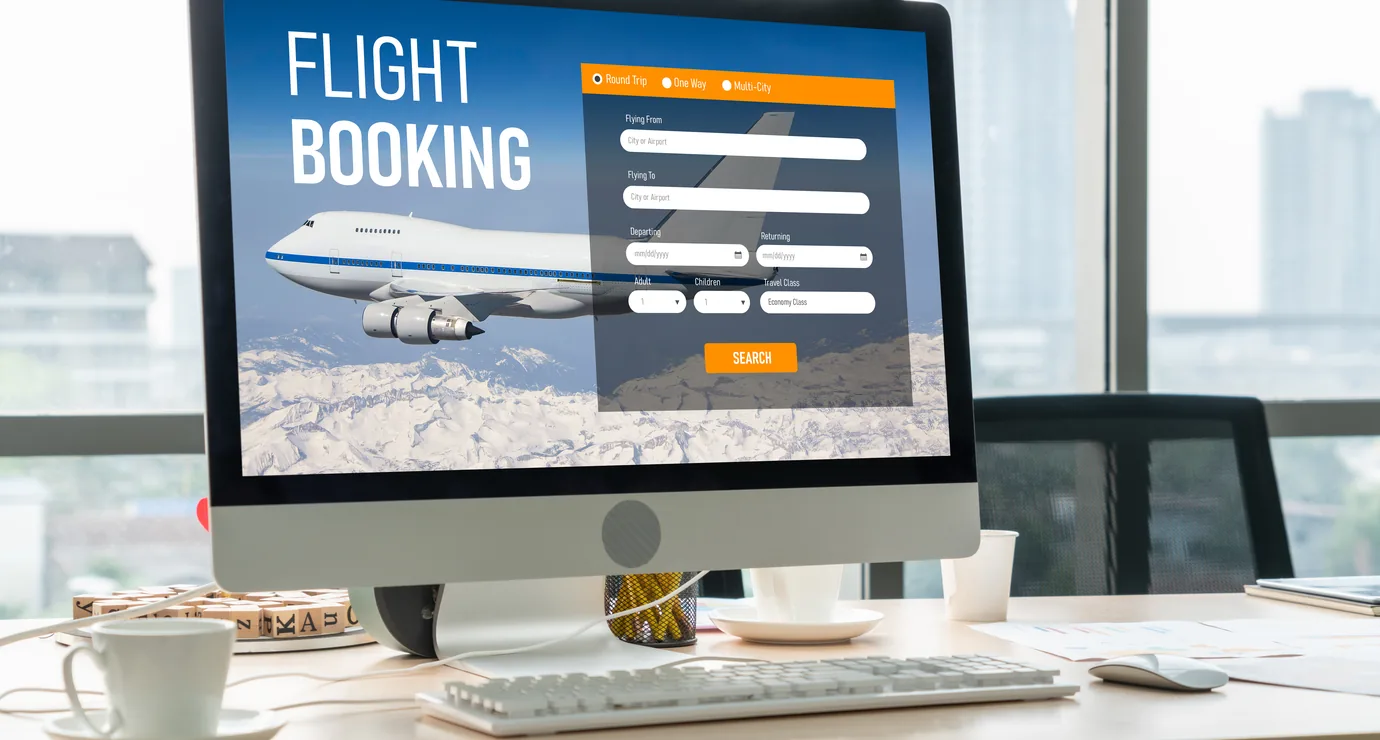
A travel portal is the platform a travel business sells through when the inventory is not its own. It pulls flights, hotels, transfers and activities from suppliers, prices them with your markup and commission rules, and carries the booking through payment, documentation and reconciliation. Travel portal development is building that platform around how your business already sells, instead of reshaping your business to fit packaged software.
That distinction is the whole decision. Off-the-shelf travel software is excellent at the standard case, and for many operators it is the right call. It stops fitting when the pricing hierarchy, the agent network, the supplier contracts or the back-office reconciliation are the things that make you money, and the product has no way to express them. This page is about that second situation.
Why Travel Businesses Outgrow Off-the-Shelf Software
Six pressure points that push an operator from a packaged product to a built one. None of them is about features. Every one is about whether the software can express how you actually trade. If you run your own property rather than resell, our hotel management system is the closer fit.






Your Inventory Comes From Everywhere
Flights from a GDS, hotels from two aggregators and thirty direct contracts, transfers from local ground handlers, activities from a spreadsheet somebody maintains by hand. A packaged product supports the sources it supports. When a supplier that matters to your margin is not on that list, you are quoting from one screen and booking on another, and the gap between them is where errors and lost time live.
Packaging Is Where the Margin Lives
Selling a flight earns a thin commission. Selling a flight, hotel, transfer and two activities as one priced package earns a real one, and hides the component pricing from comparison. Dynamic packaging means assembling that in real time from live inventory, with your own rules about what can combine with what. Products that only sell components cap your margin at the component rate.
Your Pricing Rules Are the Business
One markup for this agent, another for that corporate account, a different one for this supplier's contracted rates, a seasonal override, a rule that a particular class never discounts below a floor. That precedence logic is competitive knowledge built over years. Most products offer a markup field. When your rules cannot be expressed, they get applied by hand, and what gets applied by hand eventually gets applied wrong.
The Back Office Is the Real Bottleneck
The booking is the easy part. Then a supplier invoice has to match a voucher, a ticket has to clear a queue, a settlement has to reconcile against what the gateway actually paid, and the whole thing has to land in your accounting system in a form your auditor accepts. This mid-office layer is where operators quietly lose their evenings, and it is the part demos skip.
Your Agents Need Their Own Portal
A sub-agent network is not a list of logins. It is a hierarchy, with credit limits, deposit balances, agent-wise pricing, statements, and a booking that must be blocked the moment an agent crosses their limit. Consumer-shaped products bolt this on as an afterthought, if at all, and the credit control ends up in a spreadsheet next to the person who understands it.
Tax Treatment Is Not a Plugin
Indian tour operators face GST treatment that can differ between margin-based and gross handling depending on how the package is constituted, and TCS obligations on qualifying overseas package remittances. A platform built for another market models none of it. Getting this right is not a reporting nicety, it is whether your books survive scrutiny, and it is one of the clearest reasons Indian operators build rather than buy.
Core Modules of a Custom Travel Portal
Six connected modules that carry a booking from supplier search through pricing and payment to a reconciled entry in your accounts.
- 01 Multi-Supplier Booking Engine
- 02 Dynamic Packaging & Itineraries
- 03 B2B Agent Portal & Credit
- 04 Markup & Commission Engine
- 05 Mid-Office & Reconciliation
- 06 Payments & Multi-Currency




White Label Travel Portals
A white label travel portal carries your brand while the inventory, and often the technology, sits behind it. It is the fastest route to selling without contracting every supplier yourself, and a sound first move. Here is what it genuinely gives you, and where its ceiling is, because knowing that in advance is worth more than discovering it in year two.

Your Brand, Someone Else's Inventory
Your domain, identity and pricing on the surface; flights, hotels, transfers and activities arriving from integrated suppliers behind it. Customers and agents see you, not the plumbing.

Fast Route to Market
No supplier contracting, no GDS commercials, no integration programme before your first sale. For agencies and startups testing a market, that speed is the entire argument, and often the correct one.

B2B, B2C or Both
Sell direct to travellers, through a sub-agent network, or both from one platform, with different pricing and permissions presented to each audience over shared inventory.

The Ceiling: Pricing Control
Your markup rules can only be as expressive as the provider's fields allow. When your real pricing logic outgrows those fields, it migrates into spreadsheets and manual overrides.

The Ceiling: Your Data
Booking and customer data lives in someone else's platform, exposed to the extent they choose to expose it. That shapes what analysis, retention and migration are possible later.

The Graduation Path
Many operators start white label and build once volume justifies owning the stack. We build portals designed for that transition, and can start you on white label rather than a build if that is the honest answer.
Our Journey Of Making Great Things
Numbers that reflect over a decade of consistent delivery, trusted partnerships, and engineering excellence.
Years of experience
Projects delivered
Clients served
Countries reached
Our Success Stories
Every case study below is a product in production, built across healthcare, fintech, government, and e-commerce, and measured by the outcomes it delivers.
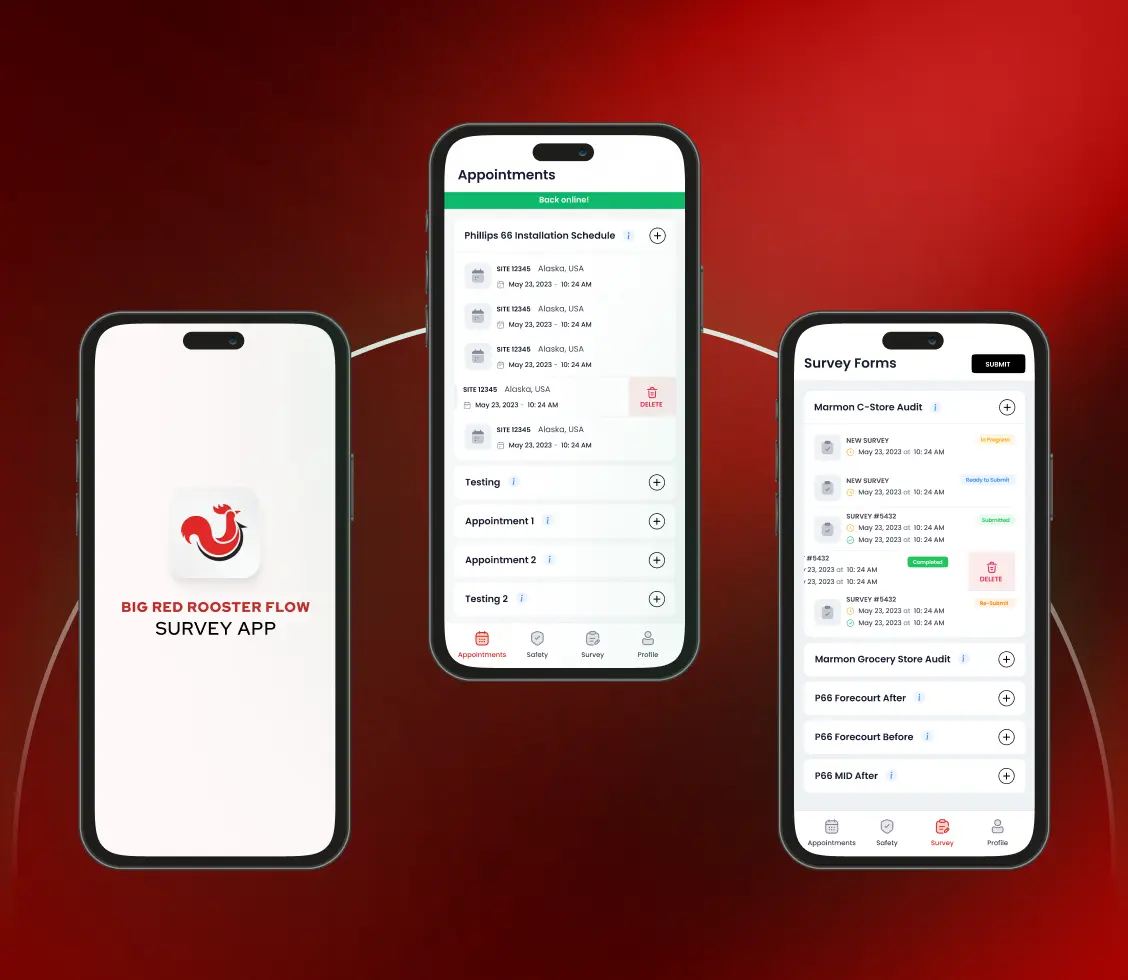
Field Inspection App - BRRF
Challenge
Big Red Rooster Flow's paper-based inspections across 500+ gas stations for Exxon, Marathon, 7-Eleven, Gulf, and BP suffered from 42% data error rates, 60-minute inspection times, and zero location verification, causing $4.2M in annual losses and threatening $18M in contracts.
Solution
We built a mobile-first survey platform with a no-code visual form builder, intelligent brand-specific survey logic, 99.3% accurate geofencing, full offline capability for 30+ days, a real-time operations dashboard with automated reporting, and role-based access for admins and field teams, deployed across 850+ field inspectors nationwide.
Impact
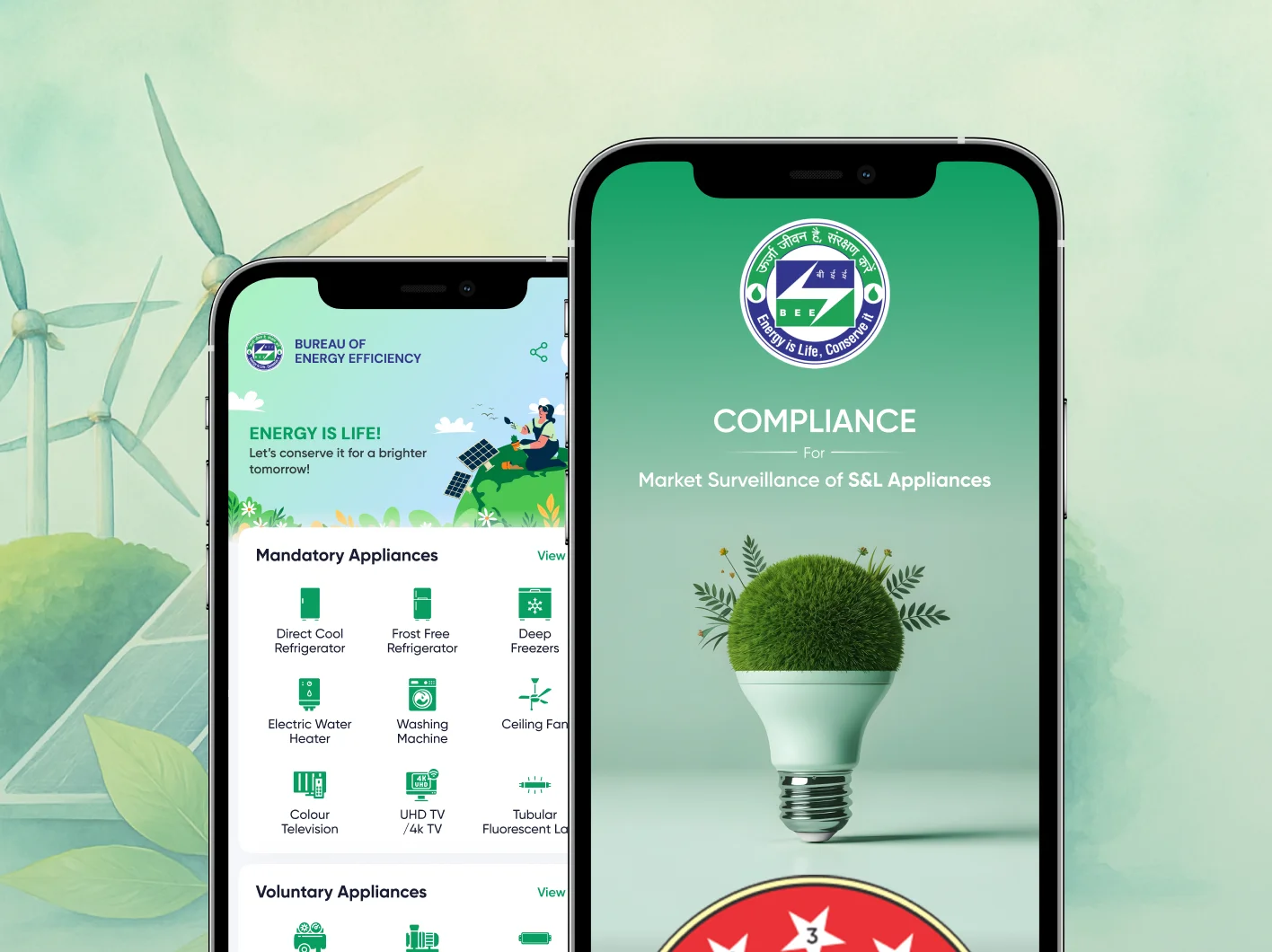
Energy Star Label Compliance App - BEE
Challenge
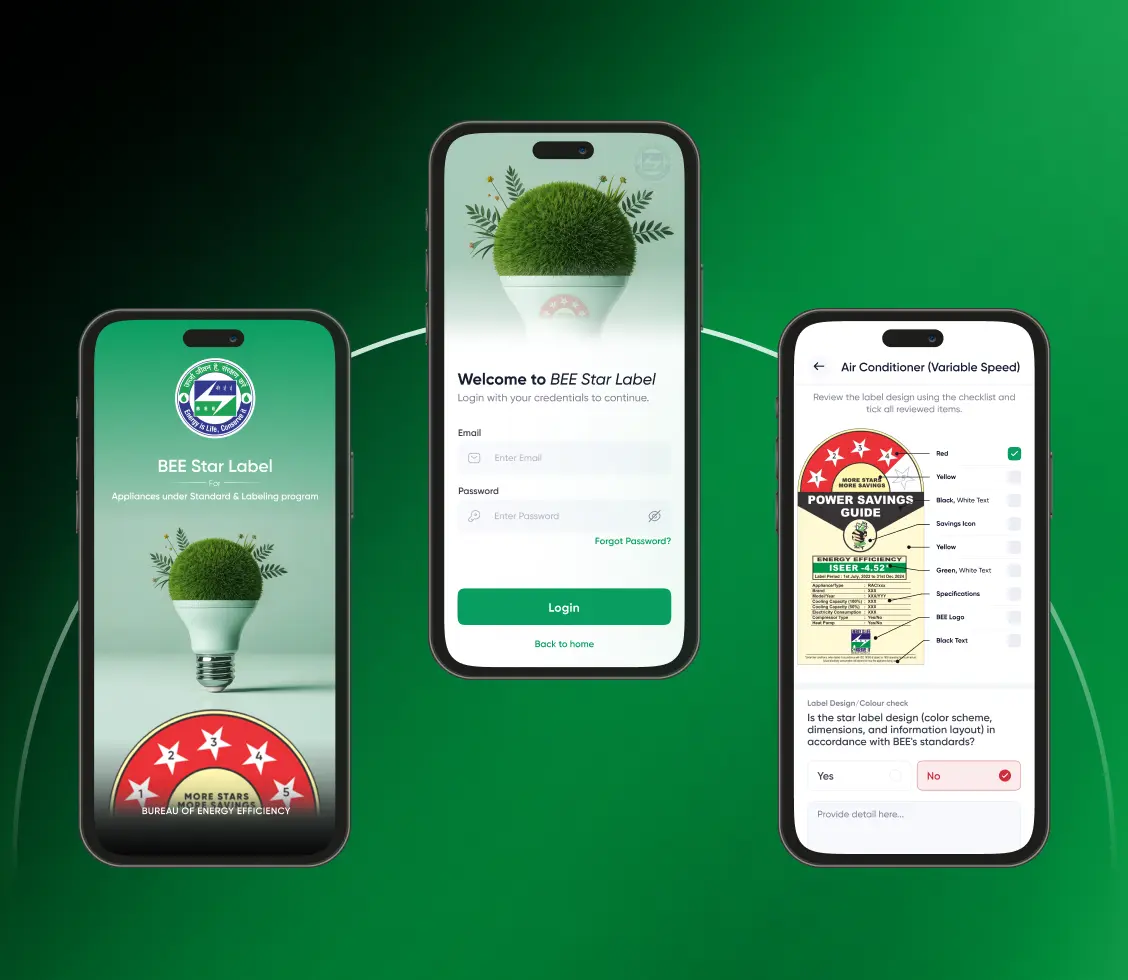
Manual inspection of Energy Star labels across India's vast appliance market was slow, error-prone, and lacked centralised visibility, making it difficult for BEE to enforce compliance or for consumers to verify appliance ratings.
Solution
We built a mobile and web platform that enables surveyors to validate star ratings, capture geo-tagged data with photo evidence, work offline, and generate instant reports, while giving consumers a simple interface to browse certified appliances, verify authenticity through star-label lookup, and raise complaints directly to BEE.
Impact
Cafeteria & Food Ordering App - Parliament of India
Challenge
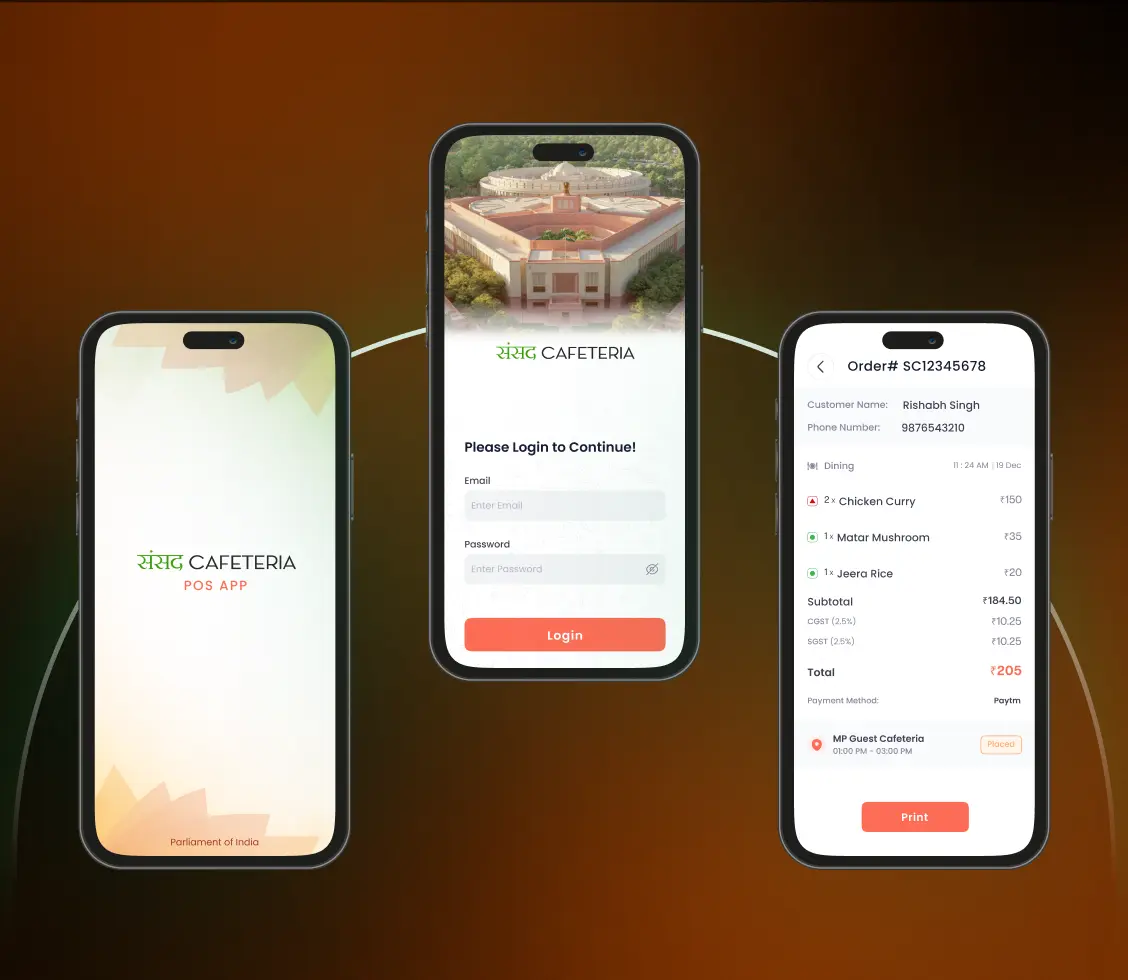
Food ordering within the Indian Parliament relied on traditional, manual processes, leading to long wait times, operational inefficiency, and logistical challenges in managing catering across a high-security environment.
Solution
We developed a mobile app for MPs and staff with real-time menu access, QR-based pickup, in-room delivery, integrated digital payments, and full order history, along with an admin portal for ITDC to manage live orders, menus, pricing, user roles, inventory, and reporting across Parliament canteen operations.
Impact
Mental Health Consultation & Booking App - Telepsych
Challenge
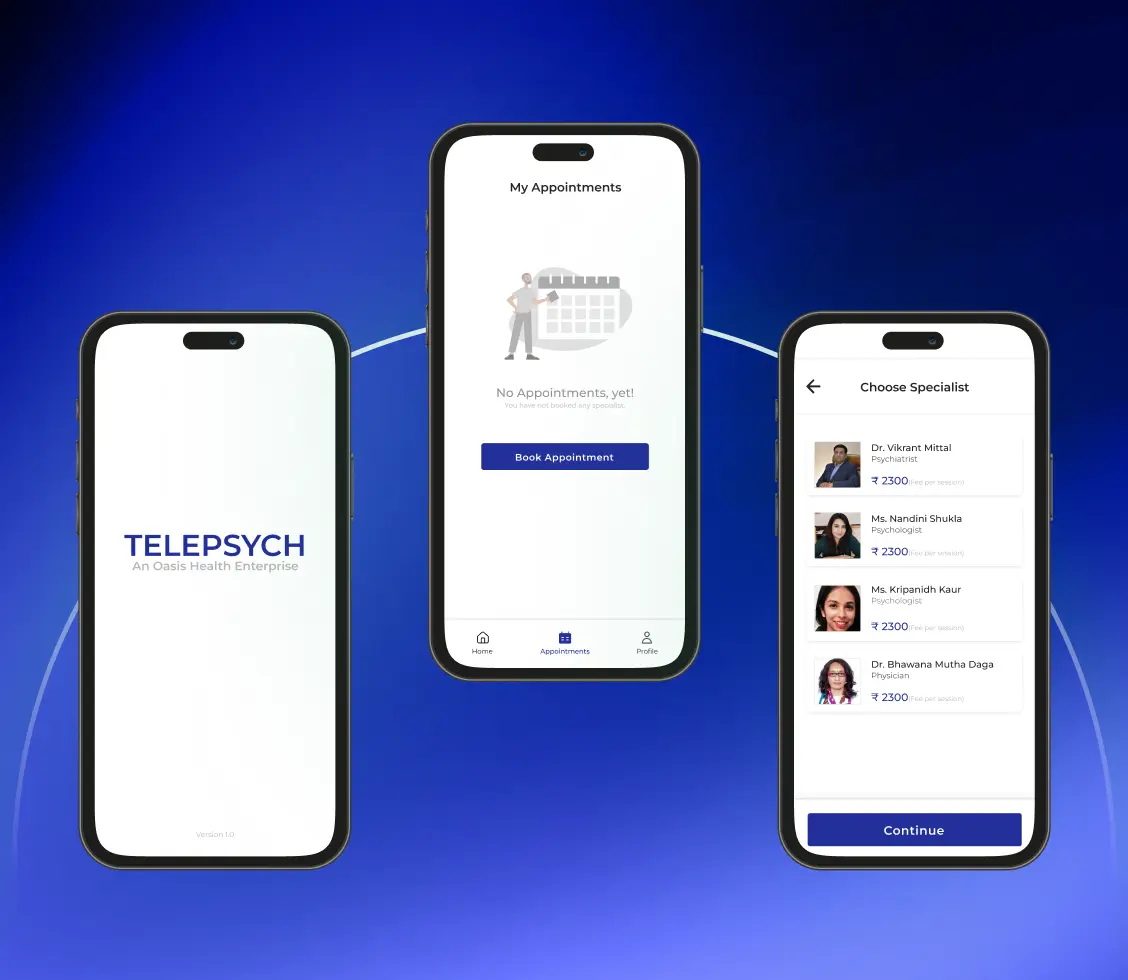
Fragmented booking systems and limited online options made accessing mental health consultations difficult for patients, while doctors and admins struggled with manual scheduling.
Solution
We built Telepsych, a web and mobile platform for booking online (Zoom) and in-person consultations, with secure payments, automated reminders, and session history, plus dedicated portals for doctors to manage availability and patient records, and for admins to oversee bookings, refunds, earnings reports, and daily clinic operations.
Impact
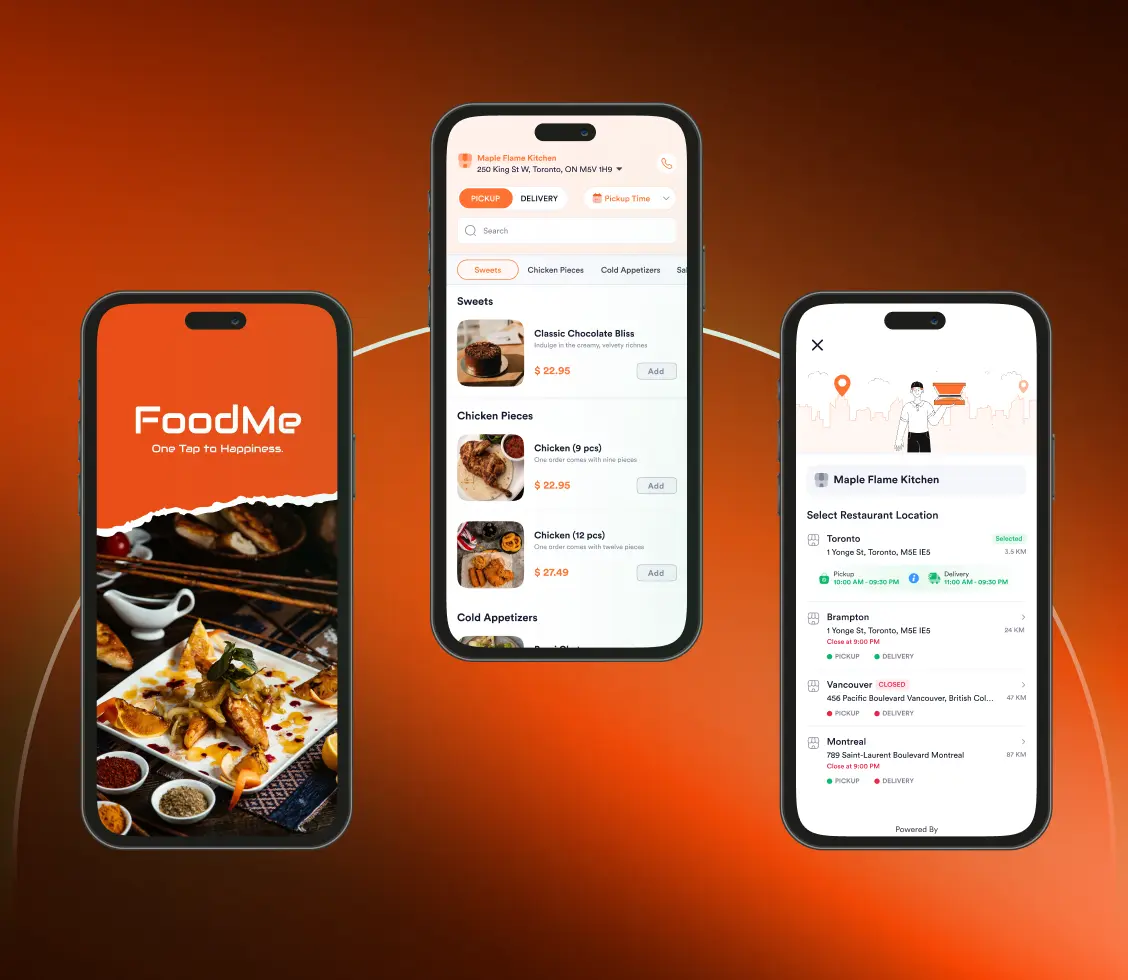
Online Ordering & Loyalty App - Foodme
Challenge
Restaurants lacked tailored digital tools for online ordering, payment processing, and customer engagement, limiting operational efficiency and scalable growth in an increasingly digital market.
Solution
We built custom mobile apps and websites with a central admin portal for menu and order management, Stripe-based secure payments, real-time order tracking, and built-in loyalty features including reward points, tiered memberships, personalised promotions, and push-notification campaigns to drive repeat customer engagement and retention.
Impact
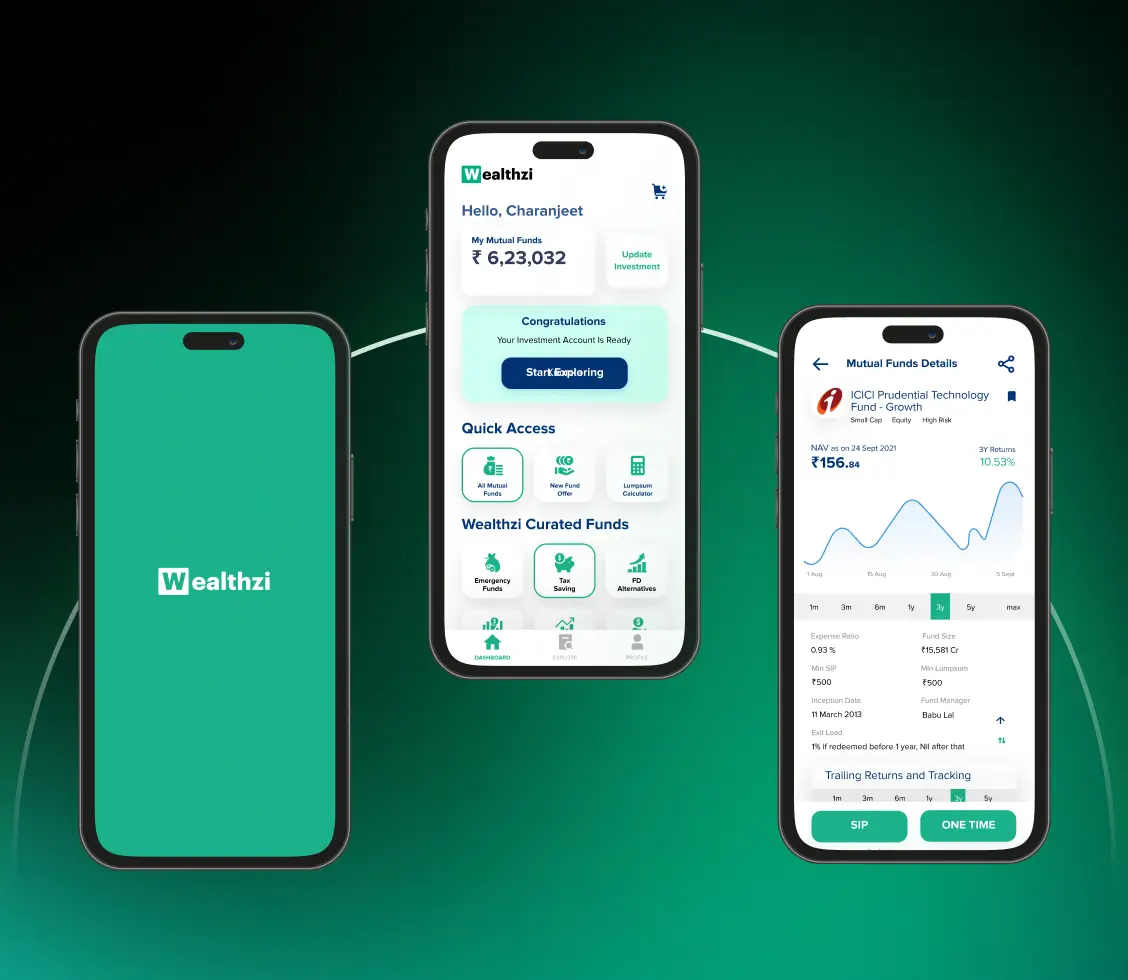
Wealth Management & Direct Investing APP — Wealthzi
Challenge
Indian investors lacked a unified, intelligent platform to manage diverse investments, relying on fragmented tools, manual advisory, and limited personalisation across mutual funds, PMS, and AIFs.
Solution
We built Wealthzi, a SEBI-compliant mobile and web platform offering zero-commission direct mutual fund investing, automated portfolio management, goal-based financial planning, AI-driven nudges for smarter decisions, seamless paperless KYC onboarding, and advisor tools for distributors to manage clients and grow their practice at scale.
Impact
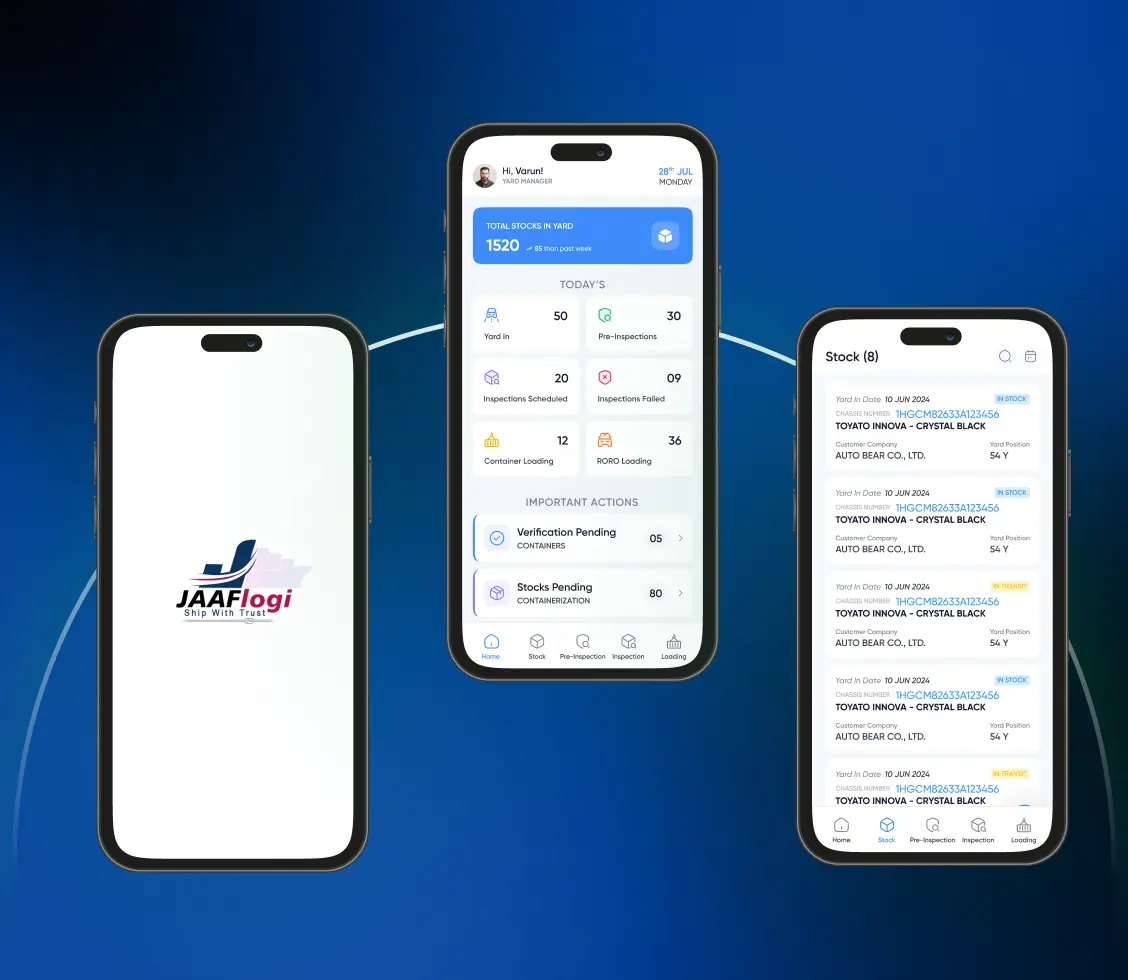
Vehicle Export Logistics APP — JAAFlogi
Challenge
Exporting used vehicles from Japan needs coordination across trucking, inspection, customs, and shipping, with manual processes causing delays and zero visibility for global buyers.
Solution
We built JAAFlogi, a web and mobile platform managing the vehicle export lifecycle end to end: stock, trucking, inspections, RORO shipping, customs, billing, real-time tracking, dedicated yard and driver apps, and a bilingual English/Japanese customer portal.
Impact

How We Build Your Travel Portal
A sequence built around the fact that supplier integrations are the risk, not the interface. We prove connectivity early, so the unknowns surface in week three rather than the week before launch.
Discovery & Supplier Landscape Mapping
We map every source you sell from and every rule you price by: GDS and direct contracts, your markup precedence, agent hierarchy, and how the back office closes a booking today. This is also where we tell you if a packaged product would serve you better.
Architecture & Integration Design
We design the supplier abstraction, caching and failover strategy, the pricing rules model, and the mid-office data flow into your accounts. Integration sequencing is decided here and driven by commercial priority, not by which API has the nicest documentation.

Portal & Engine Build
The booking engine, packaging, pricing rules, agent portal and mid-office are built in reviewable increments. You see working software against your own supplier data throughout, rather than a demo environment that behaves nothing like production.

Supplier, GDS & Payment Integration
GDS, NDC, direct supplier and gateway connections are built and certified against each provider's requirements. Every integration meets its real-world edges here: rate limits, timeout behaviour, schema quirks, and what the supplier does when it disagrees with itself.

UAT, Security Testing & Go-Live
Your team tests against real bookings and real money. Security testing covers the payment path and personal-data handling, and we go live channel by channel, agents before consumers where that lowers the risk, with hands-on support through the first settlement cycle.

Support, Seasonality & Scale
Travel is seasonal and suppliers change their APIs without asking. We stay on to absorb that: monitoring, peak-season readiness, new supplier connections, and the modules you deferred at launch because they were not needed yet.

Should You Buy Off-the-Shelf or Build Custom?
The most useful thing a development company can tell you is when not to hire one. Here is the test we apply before we propose a build, and it disqualifies a fair number of the enquiries we receive.
When Buying Is the Right Answer
A standard tour, activity or agency product, a single entity, pricing a product's fields can express, and no sub-agent hierarchy. Established platforms do this well and cost a fraction of a build. If that is you, buy one. We will say so in discovery rather than quote you a project.
When You Have Outgrown It
An agent network with pricing hierarchies, commission rules the product cannot express, mid-office reconciliation that must match your accounting, multi-entity or multi-currency operations, or supplier contracting the tool does not model. The tell is simple: your spreadsheets are doing the work the software cannot.
What Building Actually Costs
More than a subscription, and it does not end at launch: suppliers change APIs, gateways change rules, seasons stress capacity. A build earns its cost when owning the pricing logic, the data and the integrations is worth more than the licence you avoid. That is a commercial judgement, and it is yours to make with real numbers.
How We De-Risk the Decision
Discovery first, as a paid, self-contained piece of work that ends in a recommendation you own, including a recommendation not to build. If a build follows, it starts with the constraint that is actually costing you money, not with a rewrite of everything at once.
Travel Businesses We Build For
Every one of these resells inventory it does not own. That shared shape is why they belong on one platform architecture, and why each still needs different rules on top of it.

Inbound Operators & DMCs
Ground operators holding local supplier contracts and selling to overseas tour operators. The work is contracting, allocation and release windows, agent-wise net rates, and quoting in the buyer's currency while costing in your own.
Outbound Tour Operators
Fixed departures and tailor-made itineraries sold outbound: departure and seat-block management, group costing, visa and documentation tracking, and TCS handling on qualifying overseas package remittances.
B2B Agencies & Consolidators
Selling through a sub-agent network at volume. Agent hierarchy, credit limits and deposits enforced at booking, per-agent markup, statements and ledgers, and a mid-office that can reconcile thousands of transactions without a manual pass.
OTAs & Travel Startups
Consumer-facing platforms where search speed, conversion and mobile experience decide the business. Usually a staged build: prove the model on a narrow product and a few suppliers, then widen once the funnel works.
Corporate Travel & TMCs
Travel management companies serving corporate accounts: policy enforcement at booking, approval workflows, negotiated corporate fares, cost-centre reporting, and duty-of-care visibility of who is travelling where.
MICE & Group Travel
Meetings, incentives, conferences and exhibitions: group blocks and rooming lists, delegate manifests, group costing with per-head splits, and the amendment churn that defines group movements right up to departure.
Integrations, Security & Compliance
A travel portal is mostly integration, and it handles cards and passports. Both facts drive the engineering. Where a deeper review is warranted, our cybersecurity consulting team works alongside the build.

GDS & Supplier Integration
Global Distribution Systems, the networks through which airlines, hotels and car suppliers publish inventory to travel sellers, including Amadeus, Sabre and Travelport, alongside direct supplier and aggregator APIs.

NDC-Ready Distribution
NDC is IATA's New Distribution Capability, letting airlines distribute richer fares and ancillaries beyond classic GDS filed-fare limits. We build for it alongside GDS rather than treating it as a replacement.

Payments Built to PCI DSS
Card flows engineered to PCI DSS requirements using tokenisation and hosted fields, keeping card data out of your systems and your compliance scope small. We build to the standard; your assessor certifies it.

DPDP & Traveller Data
Passports, dates of birth and contact details are personal data. Consent-based handling, encryption in transit and at rest, and role-scoped access aligned with India's Digital Personal Data Protection Act.

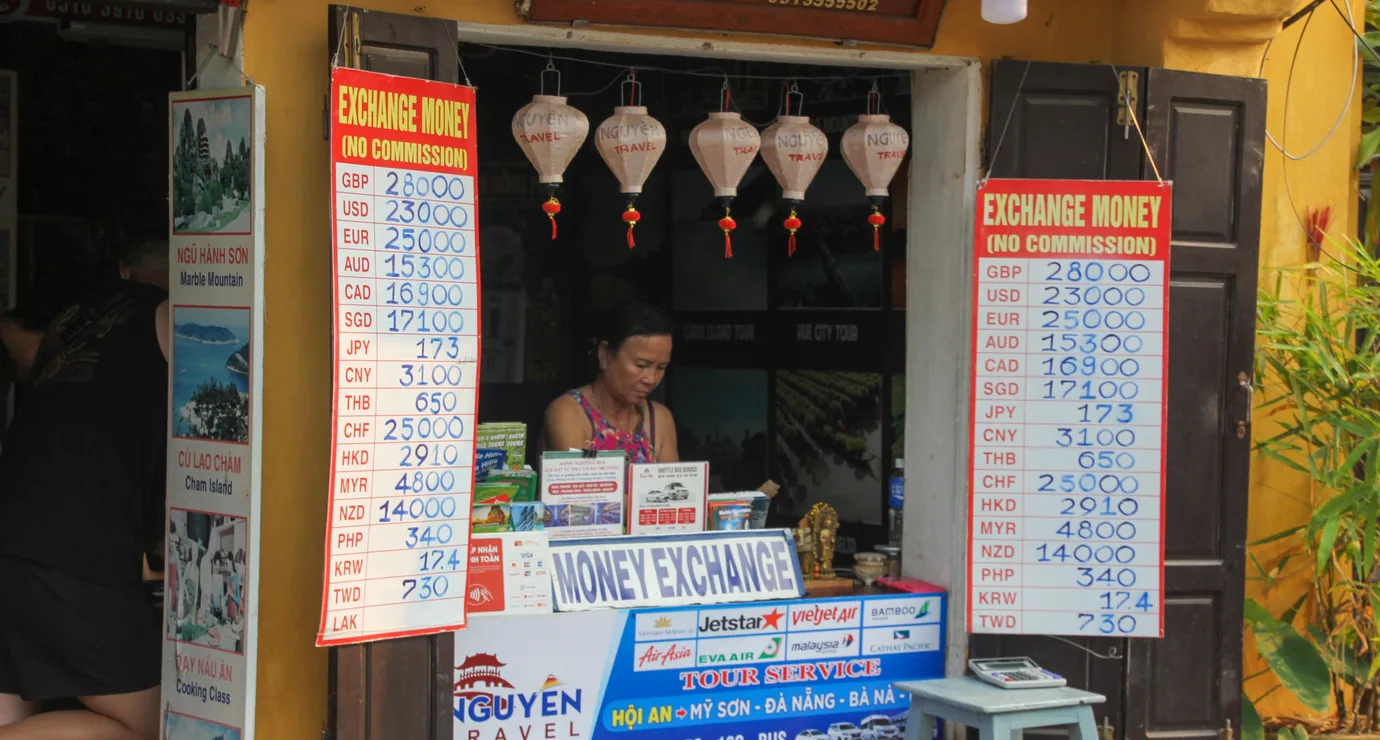
Multi-Currency & FX
Pricing, settling and reporting across currencies with defined rate sourcing, rounding rules and FX gain-loss visibility, so quoting in one currency and costing in another stays traceable.

Accounting & ERP Integration
Bookings post into Tally, Zoho, SAP or your existing ledger in a form your finance team and auditors accept, with an audit trail from booking through settlement.
Why Travel Businesses Choose Webority
What an operator weighs when choosing who builds the platform their revenue runs through: domain depth, engineering discipline, and a partner who is still there when a supplier changes an API mid-season.
Built Under CMMI Level 5 & ISO 27001
Your portal is engineered under CMMI Level 5 process quality and ISO 27001 security controls. In a market of small studios, that is an audited standard of delivery and data handling rather than a promise.
We Speak Travel, Not Just Software
GDS content, NDC, dynamic packaging, markup precedence, supplier contracting, mid-office reconciliation. You should not have to explain your own industry to the people building your platform.
We Tell You When Not to Build
If an off-the-shelf platform serves you better, that is what we recommend, and we lose the project. A partner who only ever recommends the expensive option is not giving you advice, they are quoting.
Payments & Data Handled Properly
Card flows built to PCI DSS requirements with tokenisation keeping your scope small, and traveller personal data handled to DPDP expectations with role-scoped access and audit trails.
Delhi NCR Delivery, Global Clients
Our engineering centre is in Delhi NCR and we deliver for travel businesses across India, the US, the UK and the Gulf, with overlap hours and a cost base that makes a custom build viable.
We Stay Past Go-Live
Suppliers deprecate APIs, gateways change rules, peak season stresses everything at once. We stay on for that, and add the modules you deferred at launch as the business needs them.
Certificates and Compliances
At Webority Technologies, we take pride in our professional recognition and reputation as a trusted name for all your business solution needs. Rely on us for expert guidance and exceptional results.









Related Services & Capabilities
Where a travel business needs more than a booking portal, these connect to the same platform and team.






What Our Clients Say
Real words from the founders, product owners, and CTOs who chose Webority




Frequently Asked Questions
Travel portal development is the design and engineering of a booking platform for a travel business that resells third-party inventory, such as a tour operator, travel agency, consolidator or destination management company. A travel portal connects to supplier sources like GDS, airline, hotel and transfer APIs, prices the results using the operator's own markup and commission rules, and takes the booking through payment, documentation and back-office reconciliation. It differs from off-the-shelf travel software in that the workflows, pricing logic and integrations are built around how the business already sells, rather than the business adapting to fixed software.
A white label travel portal is a booking platform that carries your brand while the underlying inventory, and often the technology, is supplied by another party. Your agents and customers see your identity, domain and pricing, while flights, hotels, transfers and activities come from integrated suppliers behind the scenes. It is a fast route to market for agencies and startups that want to sell without contracting every supplier directly. The trade-off is control: pricing rules, workflow and data are bounded by what the provider exposes, which is usually the point at which businesses move to a custom-built portal.
A B2B travel portal serves sub-agents, corporate clients or other travel businesses rather than end travellers. It adds an agent hierarchy, per-agent markup and commission rules, credit limits and deposit balances, agent-wise reporting, and a booking approval flow. A B2C portal serves consumers directly and prioritises search, inspiration, conversion and self-service. Many operators run both from one platform, sharing supplier inventory and a single mid-office while presenting different pricing and permissions to each audience.
Yes. We build portals that connect to Global Distribution Systems including Amadeus, Sabre and Travelport, alongside direct airline, hotel, transfer and activity supplier APIs, and aggregator feeds. We also build for NDC, IATA's New Distribution Capability standard, which lets airlines distribute richer fares and ancillaries beyond classic GDS filed-fare limits. Which sources make sense depends on your product mix, volumes and existing supplier contracts, and that is something we assess during discovery rather than assume up front.
For a standard tour or activity business selling a straightforward product, off-the-shelf platforms are usually the right answer and we will tell you so. Building is justified when you hit their limits: a sub-agent network with per-agent pricing hierarchies, commission and markup rules a product cannot express, mid-office reconciliation that must match your accounting, multi-entity or multi-currency operations, or supplier contracting a packaged tool does not model. The honest test is whether your constraint is the software or your process. We work through that in discovery before proposing a build.
We build payment flows to PCI DSS requirements, typically keeping card data out of your systems through tokenisation and hosted fields so your compliance scope stays small. Note the distinction: we engineer to the standard, we are not your PCI assessor. Portals support multiple gateways, multi-currency pricing with defined rate sourcing, and refund and chargeback handling. For Indian operators we build for the GST treatment applicable to tour packages, including margin-based handling where it applies, and TCS on qualifying overseas package remittances, configured so your finance team and auditors can trace every booking. Rates and thresholds change, so the rules are configurable rather than hard-coded.