

































Security Compliance Consulting Services
Achieve measurable risk reduction that passes client security reviews and satisfies your board. We help enterprises build ISO 27001 information security management systems, align with the NIST Cybersecurity Framework, and implement CIS Critical Security Controls through a structured programme that closes real attack surface gaps and produces the evidence your next audit or vendor questionnaire demands.
Get a Free Consultation
Fill in your details, and we will respond within 24 hoursTrusted by Leading Brands & Growing Startups









What Is Security Compliance?
Security compliance means mapping your controls, policies, and procedures against frameworks like ISO 27001, the NIST Cybersecurity Framework, and CIS Controls, then closing the gaps. The output is an evidenced programme that withstands audit and vendor due diligence.
Every Webority engagement opens with an attack surface discovery exercise mapping your assets, data flows, and threat vectors before framework mapping begins. We prioritise remediation by risk, so the controls deployed first cut your actual exposure fastest.
Organisations without a formal programme often find gaps only when a client review or regulator forces the issue. On a CMMI Level 5 certified process, we run ISO 27001 and NIST CSF programmes across India and internationally, with IT due diligence support available.
Our Security Compliance Capabilities
Across cloud, identity, data, applications, and the software supply chain, our specialists bring the technical depth to design, test, and evidence the controls that security frameworks demand, whichever domain your posture depends on most.






Cross-Framework Control Mapping
We map a single control set across ISO 27001, SOC 2, NIST CSF, and PCI DSS so one body of evidence satisfies multiple frameworks at once, cutting the duplicated effort and cost of running each certification as a separate programme.
Cloud and DevSecOps Security
We secure cloud workloads and CI/CD pipelines with configuration baselines, infrastructure-as-code scanning, and pipeline guardrails, so compliance controls are enforced automatically as your teams build and deploy rather than checked after the fact.
Identity and Access Management
We design least-privilege access models, multi-factor authentication, privileged access controls, and joiner-mover-leaver workflows that satisfy the access-control clauses sitting at the heart of every security framework.
Data Protection and Encryption
We classify sensitive data, apply encryption in transit and at rest, manage keys, and deploy data-loss-prevention controls so the information regulators care most about is provably protected across its entire lifecycle.
Application and API Security
We embed security into the software lifecycle with secure-coding standards, code and dependency review, and API hardening, closing the application-layer gaps that framework audits and penetration tests reliably expose.
Third-Party and Supply Chain Security
We assess and monitor the security posture of your vendors and software supply chain, applying due-diligence, contractual controls, and continuous monitoring so third-party risk, a leading breach vector, is governed to the same standard as your own environment.
Our Journey Of Making Great Things
Numbers that reflect over a decade of consistent delivery, trusted partnerships, and engineering excellence.
Years of experience
Projects delivered
Clients served
Countries reached
Trusted by India's Leading Government Institutions
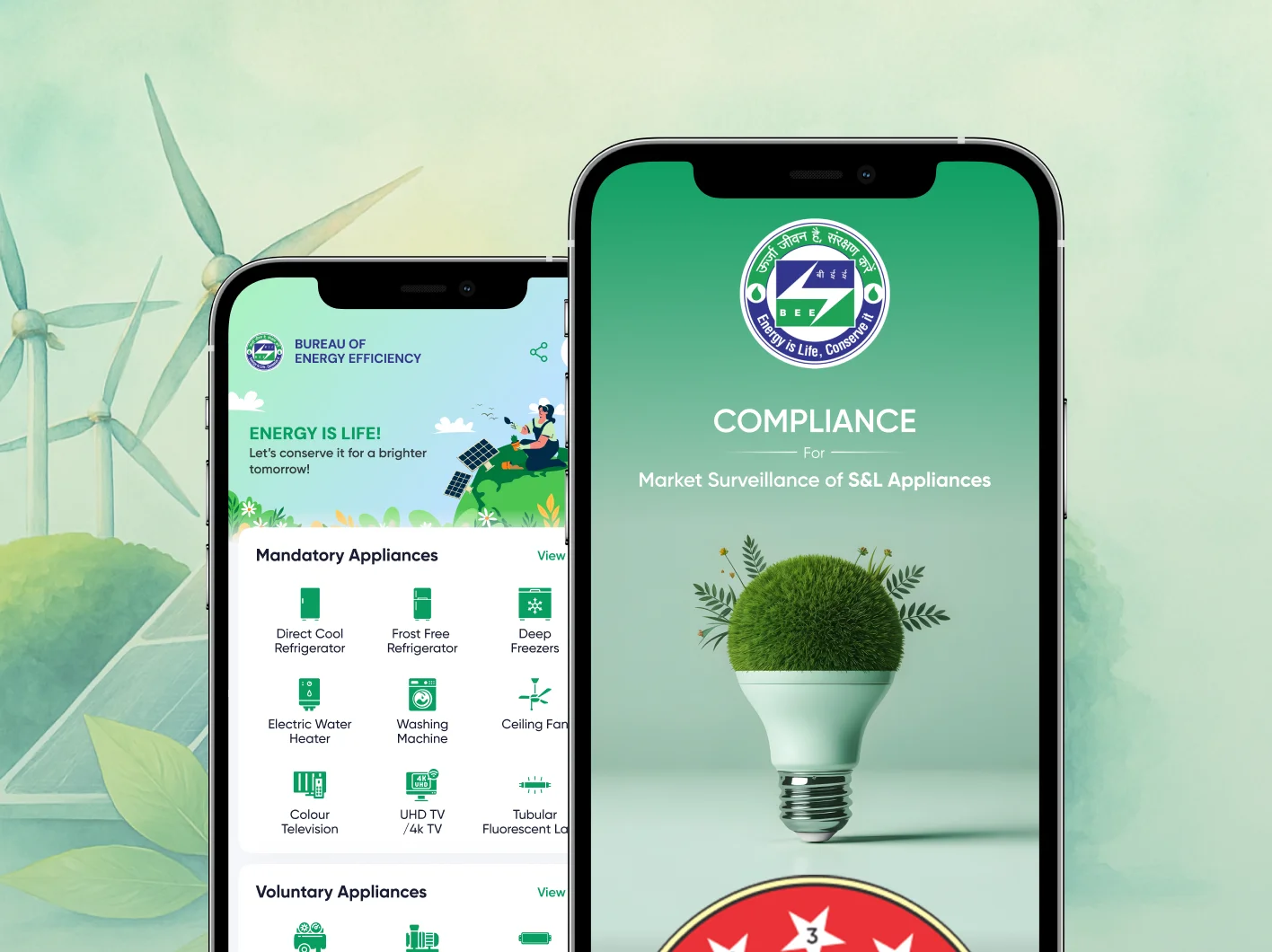
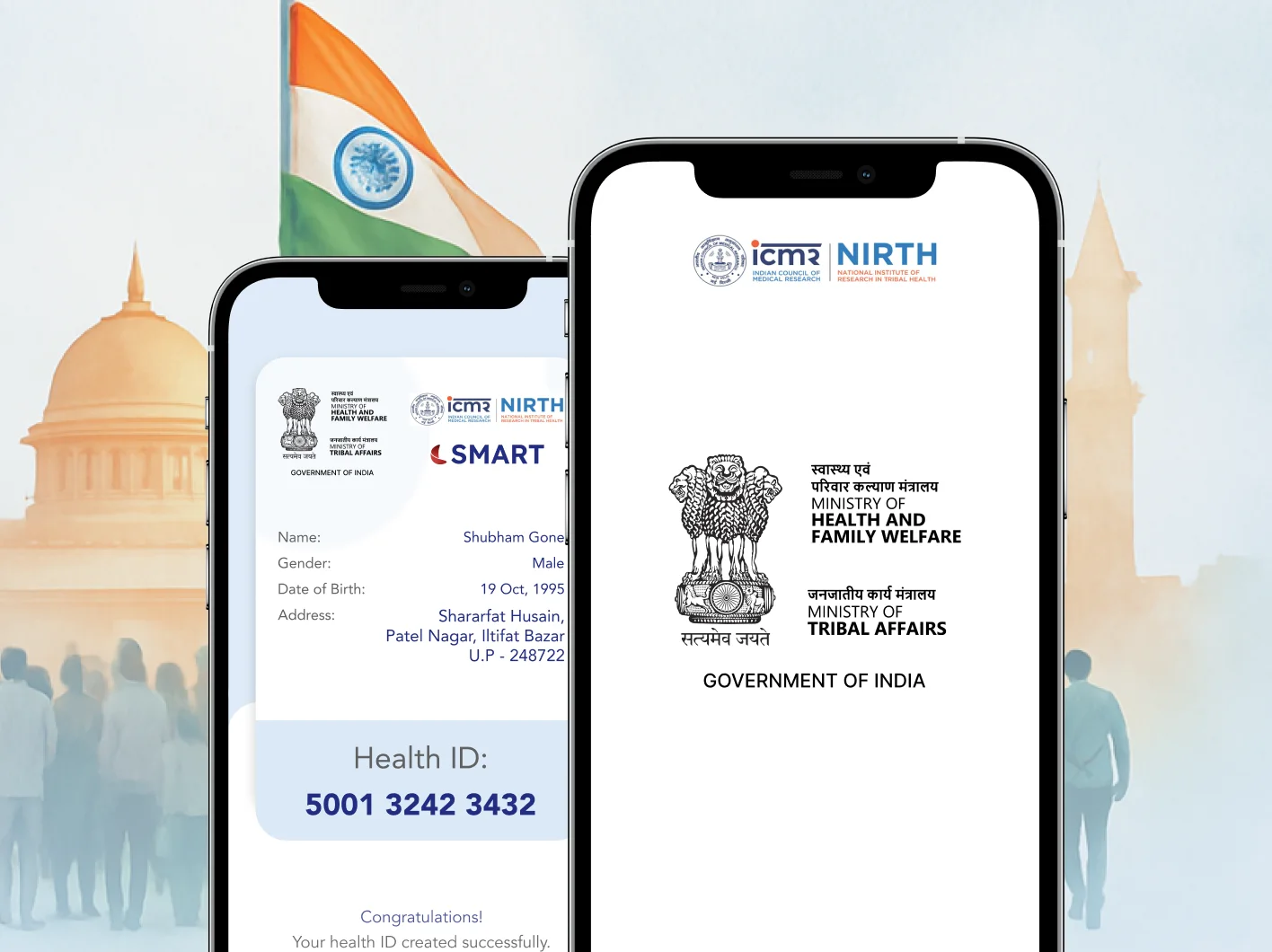
Nine central government ministries have trusted Webority to build their digital platforms from parliamentary operations and defence logistics to national health infrastructure and citizen data collection at scale. Every engagement runs on NIC cloud, meets GIGW accessibility standards, and operates under data handling requirements that commercial projects rarely demand.

Sansad Cafeteria
Ministry of Parliamentary Affairs

Bureau of Energy
Ministry of Power

Safdarjung Hospital
Ministry of Health & Family Welfare

Quality Council of India
Ministry of Commerce & Industry

Munitions India Limited
Ministry of Defence

Sashastra Seema Bal
Ministry of Home Affairs

Vasudha Foundation
Government of Karnataka

National Book Trust
Ministry of Education

Textiles Committee
Ministry of Textiles
Our Comprehensive Security Compliance Services
A connected suite of security compliance services that hardens your controls, generates the evidence your auditors need, and builds a programme that stays defensible as your threat environment changes.
- 01 Security Framework Implementation
- 02 Vulnerability Management and Pen Testing
- 03 Risk Assessment and Security Policy
- 04 Incident Response Readiness
- 05 Security Awareness and Culture
- 06 Continuous Monitoring and Compliance Reporting






Certificates and Compliances
At Webority Technologies, we take pride in our professional recognition and reputation as a trusted name for all your business solution needs. Rely on us for expert guidance and exceptional results.








Key Security Compliance Benefits
A structured security compliance programme delivers more than certification. It reduces your exposure to real-world attacks, builds the client and board confidence that opens contracts, and embeds security into operations so it scales with the business.

Reduced Breach Likelihood
Closing the access control, patch management, and logging gaps that attackers exploit most frequently makes your organisation a harder target. Structured controls reduce both the probability of a successful breach and the blast radius if one occurs.
Board and Client Assurance
ISO 27001 certification and NIST CSF alignment give your board a credible risk posture to report and give enterprise clients the independent evidence they require to onboard you as a vendor without extended security review cycles.
Faster Security Reviews
A maintained evidence pack, a current risk register, and documented controls cut the time it takes to respond to vendor security questionnaires and third-party audit requests from weeks to hours, accelerating procurement cycles on both sides.
Prioritised Risk Reduction
Rather than implementing every framework control simultaneously, a risk-ranked roadmap focuses your budget on the vulnerabilities that pose the greatest threat first, delivering measurable security improvement before full certification is complete.
Resilient Incident Response
Tested playbooks, clear escalation paths, and pre-agreed communication protocols mean your organisation can contain an incident faster, reduce recovery costs, and demonstrate to regulators that appropriate measures were in place and followed.
Security as a Growth Enabler
A certified and well-maintained security programme removes a common deal blocker in enterprise sales cycles and government procurement. Organisations that lead on security compliance win contracts that competitors with immature programmes cannot reach.
Why Enterprises Choose Webority for Security Compliance
Enterprises choose us because our team brings offensive and defensive depth, a CMMI Level 5 certified delivery process, and the ability to advise, design, and harden controls in a single engagement rather than splitting the work across multiple vendors.
Framework Fluent Team
Our consultants hold working knowledge of ISO 27001, NIST CSF 2.0, CIS Controls v8, and COBIT, so your programme benefits from a team that understands how frameworks overlap and where a single control satisfies multiple requirements.
Offensive and Defensive Depth
We combine penetration testing and red team thinking with control design and policy development in the same team, so the controls we recommend are pressure-tested against the attack techniques most likely to be used against your organisation.
Advise and Harden Together
We do not stop at the gap report. Our team works alongside your engineers and administrators to deploy the controls, configure the tooling, and build the evidence pack, so recommendations translate into working security improvements rather than an unactioned report.
Tested Control Evidence
Every control we implement is tested for effectiveness and documented with evidence before your certification audit. Risk registers, control test results, and internal audit reports are maintained throughout the engagement so your auditor receives a complete and current package.
Secure by Default Builds
For organisations building new products or migrating infrastructure, we embed security compliance requirements into architecture reviews and DevSecOps pipelines so new systems launch compliant from day one rather than being retrofitted after go-live.
Round the Clock Monitoring Support
Post-certification monitoring, periodic control reviews, and alert triage support keep your ISMS effective between annual audits and give your security team access to expertise around the clock when an incident or regulatory enquiry requires it.
What Our Clients Say
Real words from the founders, product owners, and CTOs who chose Webority




Strategic Partnerships
Technology partnerships that give our clients enterprise-grade tools, support SLAs, and preferential access.




Our Security Compliance Methodology
A six-phase methodology that moves from attack surface discovery and risk-ranked gap analysis through to controls hardening, response readiness, and continuous monitoring, with a defined deliverable and quality gate at every stage.
Attack Surface Discovery
We catalogue your assets, map data flows, identify external and internal threat vectors, and establish the scope boundary for your compliance programme. This discovery phase prevents the common failure of designing controls around an incomplete picture of what actually needs protecting.

Risk and Gap Analysis
We assess your existing controls against ISO 27001, NIST CSF, and CIS Controls requirements, score each gap by risk severity, and produce a prioritised finding report with a clear view of where your exposure is highest and which remediations deliver the greatest risk reduction first.

Security Roadmap
We build a sequenced remediation roadmap that balances risk reduction priority, certification timeline, and your available internal resource. Each milestone has a defined output, an owner, and a success criterion, so progress is measurable from day one.

Controls Hardening
Our team works with your engineers and administrators to deploy technical and procedural controls, configure security tooling, and build the risk register and policy documentation required by your target frameworks, capturing evidence at each step to support certification.

Response Readiness
We design and test incident response procedures through tabletop exercises and simulated scenarios, then conduct an internal audit to validate overall control effectiveness and identify any remaining gaps before the formal certification audit proceeds.

Continuous Monitoring
Post-certification we establish security metrics, monitoring cadences, and periodic review cycles aligned to your ISMS requirements, with ongoing support through surveillance audits and regulatory enquiries so your compliance posture never drifts between certification cycles.

Frequently Asked Questions
A security compliance consultant assesses your organisation's current security controls against a chosen framework such as ISO 27001, NIST CSF, or CIS Controls, then designs and implements the policies, technical controls, and evidence documentation needed to close the gaps. The engagement typically covers risk assessment, policy development, control deployment, staff training, internal audit, and ongoing monitoring support.
For a mid-sized enterprise with limited prior ISO 27001 implementation, the programme from initial attack surface discovery and gap analysis through to certification audit typically runs between four and seven months. Organisations with mature existing controls and a well-defined ISMS scope can reach certification in three months. Larger enterprises with complex infrastructure or multiple sites should plan for six to nine months.
The NIST Cybersecurity Framework is a voluntary, risk-based framework developed by the US National Institute of Standards and Technology. Version 2.0 organises cybersecurity activities across six functions: Govern, Identify, Protect, Detect, Respond, and Recover. It is widely adopted by enterprises, critical infrastructure operators, and government contractors as a common language for measuring and communicating cybersecurity risk. Many organisations implement it alongside ISO 27001 to satisfy both US-facing clients and international certification requirements.
ISO 27001 is a certifiable international standard that requires an organisation to build, operate, and continually improve a documented Information Security Management System covering risk management, governance, and Annex A controls. NIST CSF is a non-certifiable voluntary framework that provides a risk-based structure for understanding and improving cybersecurity posture across six outcome-oriented functions. The two frameworks complement each other well: ISO 27001 provides the certifiable ISMS structure while NIST CSF adds depth in detection, response, and recovery coverage.
Cybersecurity GRC stands for governance, risk, and compliance. A GRC programme integrates your policy framework, risk register, and control library into a single managed programme with reporting cadences that give leadership a current view of security posture. Organisations that manage security controls, risk, and compliance in separate silos routinely find that gaps appear at the boundaries between teams and go undetected until an audit or incident surfaces them. A unified GRC approach eliminates those blind spots.
Yes. Our security compliance programmes incorporate India-specific regulatory obligations including DPDP Act requirements, RBI and SEBI sector cybersecurity directives, and national cybersecurity audit requirements issued by CERT-In. We deliver ISO 27001 and NIST CSF programmes for enterprises operating in India and internationally, integrating domestic regulatory obligations into the same control framework rather than treating them as a separate workstream.