













background graphic background graphic

Ticket Booking Portal Development for Venues, Promoters & Cinemas

Webority builds ticketing portals that sell your admission on your infrastructure: interactive seat maps for venues that are not a grid, a virtual queue that survives your on-sale, inventory that cannot oversell under load, UPI and card payments settling to your own account, and gate validation that works when the venue has no signal. The buyer database is yours and no one takes a cut of every ticket. Engineered under CMMI Level 5 and ISO 27001, from our Delhi NCR centre for operators across India, the US, the UK and the Gulf.

Get a Free Consultation

Fill in your details, and we will respond within 24 hours
User Icon
Email Icon Privacy Icon
Phone Icon
Message Icon
0/1000
Check Icon

Join 500+ companies who trust Webority Technologies

Check Icon

Your data is secure and protected under our Privacy Policy

Trusted by Leading Brands & Growing Startups

Ticket seller at a cinema box-office counter

What Ticket Booking Portal Development Actually Means

Selling a ticket looks like a checkout and is not. It is an inventory that cannot oversell when a thousand people click the same seat in the same second, a hold that expires cleanly when someone abandons a basket, a payment that survives UPI's pending states, a code you can prove is yours and detect as cloned, and a gate that still works when the venue's network does not. Ticket booking portal development is building that, on your infrastructure, under your brand.

Plenty of operators should not build it. A marketplace brings an audience you do not have and takes a commission that is cheaper than engineering for a while. This page is about the point where that stops being true: a commission is not a subscription you can cap. It is a share of every ticket you will ever sell, and the buyer it sells to becomes their customer, not yours.

Why Operators Leave Marketplaces

Six reasons an operator stops listing and starts selling. Note that none of them is a feature the platform could ship next quarter, because each is a property of the business model itself.

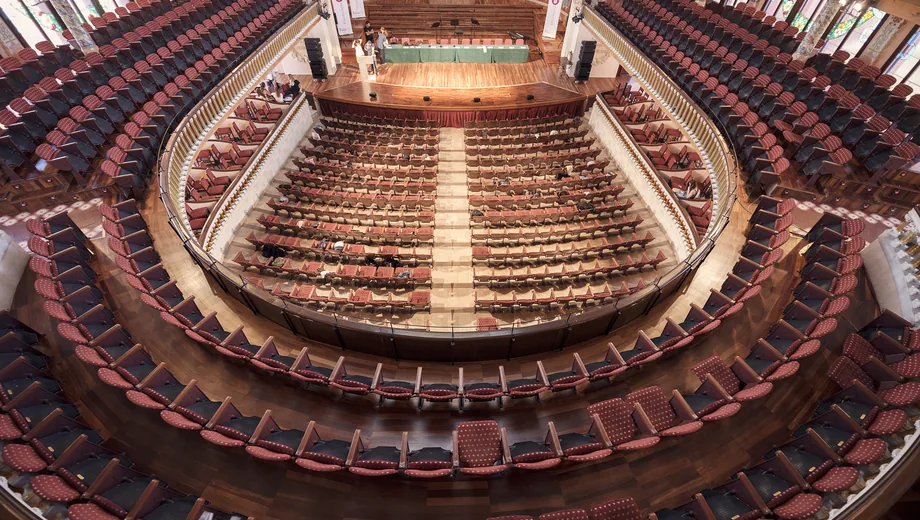
Stacked cash representing commission taken on every ticket sold Ticket buyer database held on the operator's own infrastructure Crowd holding up smartphones during a ticket on-sale surge An ornate tiered auditorium that is not a simple seat grid Cash held in a locked safe, standing in for withheld settlement Customers using a bank ATM for card payments in India
01

The Commission Never Ends

A subscription is a cost you can cap. A commission is a share of every ticket you will ever sell, and it grows precisely as you succeed. Sell out a bigger room and you pay more for the same software. No marketplace will ever publish an honest three-year model of that against the cost of building, which tells you most of what you need to know. The rate is in your contract; the arithmetic is worth doing once, properly.

02

The Buyer Is Their Customer, Not Yours

Someone bought a ticket to your show. On a marketplace they are the platform's customer, and reaching them again for your next show means paying the platform to advertise to people who already chose you. That is not an oversight to be fixed, it is the business model working. A portal you own makes the buyer list, purchase history and remarketing audience your asset.

03

Your On-Sale Is Their Average Tuesday

Months of nothing, then fifty thousand people in ten seconds. A platform gives you their queue, tuned for their aggregate load across thousands of clients, and when your on-sale is the outlier you have no lever to pull. Waiting rooms, queue tokens, holds with an expiry, idempotent confirmation and inventory that cannot oversell under concurrency are distributed-systems work, not a checkbox.

04

Your Venue Is Not a Grid

Platforms model rectangles and neat tiers. Heritage theatres have pillars. Festivals have stages that move each year. Real venues have restricted views that must be priced as such, accessibility seats that must sit beside a companion seat, and temporary stands that exist for one weekend. If your room is not a grid, the product's simplification is exactly the thing that breaks.

05

They Hold Your Money Until After the Show

Meanwhile you are paying artist advances, venue deposits and vendor bills months before the doors open. A marketplace holds the float because it de-risks them, and the cash-flow cost lands on you. Owning the merchant relationship means the money arrives on your gateway's settlement cycle, into your account, on terms you agreed with your bank.

06

India's Payment Rails Are Not an Afterthought

UPI is how India pays, and it fails in ways a card does not: pending states that resolve minutes later, timeouts that are not declines, and bank-side flakiness that arrives exactly during a surge. A global platform treats India as one more market. Reconciling UPI under an on-sale spike, without double-issuing or stranding a buyer's money, is a specific engineering problem that has to be designed for.

Core Modules of a Custom Ticketing Portal

Six connected modules that carry a buyer from the on-sale through checkout to a valid scan at your gate.

  • 01 Seat Maps & Inventory
  • 02 Virtual Queue & On-Sale Surge
  • 03 Pricing & Promotions
  • 04 Payments, UPI & Settlement
  • 05 E-Tickets & Anti-Scalping
  • 06 Gate Validation & Box Office

Interactive Seat Maps & Inventory

A seat map drawn to your actual room, including the pillars, the restricted views that price differently, the accessibility seats that must sit next to a companion, and the stand that only exists this season. Behind it, inventory that locks correctly under concurrent purchase, holds that expire and return the seat, and an overselling guarantee that survives a thousand simultaneous clicks rather than a demo.

Venue seating layout planned on a printed floor plan

Virtual Queue & On-Sale Surge

A waiting room that admits buyers to checkout in controlled order, with queue tokens that cannot be forged or traded, a fair position policy you can explain to an angry fan, and capacity tuned to your on-sale rather than a platform's average. Load-tested against your real expected spike before the date, because an on-sale has no soft launch and the first ten seconds decide the day.

Ticket buyers queuing behind a barrier at an event entrance

Dynamic Pricing & Promotions

Price bands by release stage, seat class and date, hold-backs released on your schedule, member and pre-sale windows, and demand or inventory-triggered rules that platforms expose only a fraction of because a full rules engine is a support burden across thousands of tenants. Promo codes with limits, per-buyer caps and expiry, plus group and season pass products, including recurring mandates where those apply.

Price tags representing tiered ticket pricing

Payments, UPI & Settlement

UPI, RuPay, international cards, net banking and wallets through your own gateway, with the pending, timeout and reconciliation states a surge actually produces handled rather than assumed. Card flows built to reduce your PCI DSS scope using tokenisation and hosted fields, so card data stays out of your systems. Money settles to your account on your merchant cycle, not held by a platform until after the show.

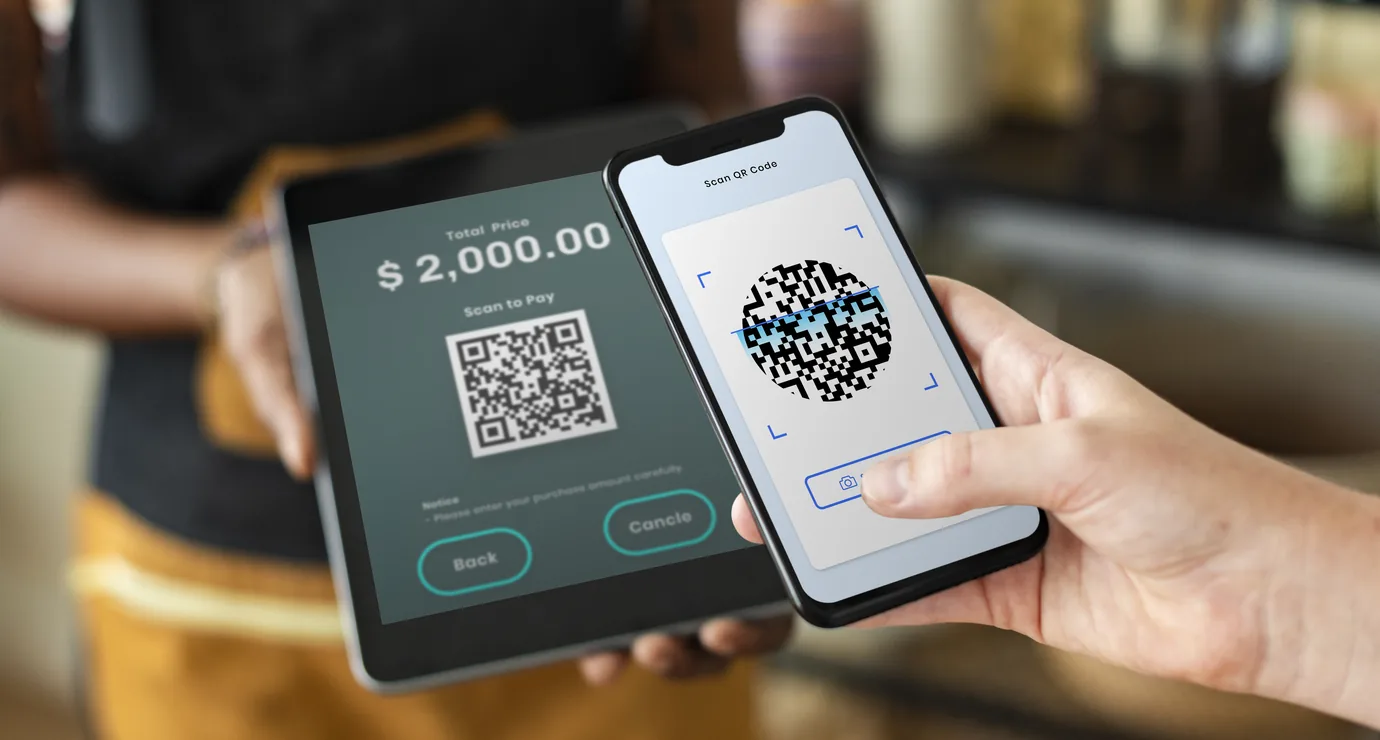
QR code payment being made at a counter

E-Tickets, Fraud & Anti-Scalping

Ticket issuance that produces a code you can prove is yours and detect as cloned, with transfer and resale on your terms rather than a secondary market's. Against bots, who are adversaries with a business case for beating you: rate limiting, purchase caps per identity, device signals, queue-token integrity and resale-farm pattern detection. Your defences are yours, rather than a public policy every scalper has already studied.

Printed event tickets held in hand

Gate Validation & Box Office

One question at the gate, asked adversarially: is this ticket valid, paid, unredeemed and not a clone? Answered offline, from a locally cached validity set with device-side duplicate detection, then reconciled after, and integrated with the turnstiles and scanners your venue already owns. Counter and box-office sales share one inventory with online. For the attendee experience once they are inside, the agenda and on-site desk are our event app development build.

Ticket QR code being scanned at the venue gate

Want this costed against your commission?

Book a free consultation and we'll work the arithmetic through your actual on-sale.

Selling Admission at Scale

The engineering that decides whether an on-sale is a good morning or a public incident. This is the layer we build first, because everything else can be fixed after the doors open and this cannot.

Interactive Seat Maps

A plan drawn to your real room, with pillars, restricted views priced as such, accessibility seats beside companions, and stands that exist for one season.

Holds & No Overselling

A seat reserved for one buyer for a fixed window and released automatically if payment does not complete, with inventory locking that holds under concurrent purchase.

Virtual Waiting Room

Buyers admitted to checkout in controlled order during a surge, with queue tokens that cannot be forged and a fair position policy you can explain publicly.

Dynamic & Tiered Pricing

Price bands by release stage, seat class and date, with hold-backs, pre-sale windows and demand or inventory-triggered rules under your control rather than a vendor's.

Promo Codes & Offers

Codes that discount or unlock access, with redemption limits, per-buyer caps, validity windows and the reporting to see which channel actually sold the room.

Group & Season Passes

One purchase covering a series or a party, with seat allocation across the group and recurring mandates where a pass is billed over time under India's e-mandate rules.

Our Journey Of Making Great Things

Numbers that reflect over a decade of consistent delivery, trusted partnerships, and engineering excellence.

10 +

Years of experience

500 +

Projects delivered

200 +

Clients served

18 +

Countries reached

Our Success Stories

Every case study below is a product in production, built across healthcare, fintech, government, and e-commerce, and measured by the outcomes it delivers.

Ticketing discovery and sales-model mapping

How We Build Your Ticketing Portal

A sequence built around an on-sale date that will not move. We rehearse the surge before you announce, because the first ten seconds are the whole test and there is no second attempt.

01

Discovery & Sales-Model Mapping

We map how you actually sell: the rooms, the release stages, the pre-sales, the expected spike, the gates you already own, and what your commission costs you today. This is also where we tell you if a marketplace is the better answer.

Ticketing discovery and sales-model mapping
02

Seat Map, Inventory & Queue Design

We design the inventory and locking model, the hold and expiry behaviour, the queue and its fairness policy, and the seat geometry for your real room. This is where an on-sale is won or lost, so it is decided first rather than tuned later.

Designing the seat map and inventory model on a whiteboard
03

Portal & Box-Office Build

The buyer-facing portal, the box-office counter and the operator back office are built in reviewable increments against your real seat map and a real price list, rather than a demo venue that is conveniently rectangular.

Building the ticketing portal and box office
04

Payments, Gateway & Tax Integration

Your gateway, UPI, cards and net banking are wired up with the pending and timeout states handled explicitly, PCI scope kept small by design, GST configured with your CA, and settlement reconciled against what you actually sold.

Network infrastructure behind payment gateway integration
05

Load Test, Security & On-Sale Rehearsal

We simulate your expected spike and then some, probe the bot defences, prove the gate validates offline, and rehearse the on-sale with your team, before you announce a date you cannot move.

Reviewing test results before the on-sale goes live
06

On-Sale Support & Next Seasons

We are on the call while the queue is live, then hand over the numbers. Scalpers adapt, gateways change rules and rooms get reconfigured, so we stay on for the seasons after the first one.

On-sale support and reporting

List on a Marketplace, or Build Your Own?

You already sell somewhere, and for a lot of operators that is the right answer. Here is the honest test for when it stops being one, including the distinction the industry works hardest to blur.

01
When a Marketplace Is the Right Answer

A few events a year, general admission or simple tiers, and an audience you genuinely need them to find. Their reach is real and their commission is cheaper than engineering at that volume. If that is you, list, and put the money into the show instead. We will say so in discovery rather than quote you a build.

02
When It Stops Working

Commission across your calendar has outgrown the cost of owning the stack; you need the buyer list as your own asset; your venue is not a grid; your on-sale is the outlier their queue was not tuned for; or settlement timing, GST treatment and data rules put constraints a global platform will not follow. One of these is usually enough.

03
What Building Actually Costs

Capital plus hosting plus a gateway plus the ongoing work, and it does not end at launch: scalpers adapt, gateways change rules, rooms get reconfigured. Set that against the commission on every ticket you expect to sell over three years and the answer is usually obvious in one direction or the other. Do the arithmetic with your real rate, not ours.

04
White Label Is Not Building

Worth stating plainly, because the two are sold as though they were the same. White label puts your logo and domain on someone else's platform. The infrastructure is theirs, the buyer data is theirs, the pricing rules are whatever their fields allow, and the cut is usually still taken. It is a fine option, honestly described. It is not ownership.

Operators We Build For

Every one of these puts a finite number of seats on sale at a moment they announce in advance. That shared constraint is why they belong on one architecture, and why each still needs different rules on top of it.

Operators we build ticketing portals for
01

Concert & Festival Promoters

Where the on-sale is the business: a ten-second spike, scalpers with a business case, tiered releases, and artist advances paid long before a marketplace would release your money.

02

Venues & Auditoriums

Selling your own room across many promoters and seasons, with a seat map that has pillars and restricted views, a box office at the door, and turnstiles you already own and would rather not replace.

03

Cinema Chains

Many screens, many shows a day, showtimes regenerating weekly, seat maps per auditorium, and a per-ticket commission that compounds across a volume no other segment matches.

04

Sports Franchises & Stadiums

Season tickets and memberships billed over time, stands and blocks rather than rows, gate throughput at scale, and a supporter database that is the club's own asset rather than a platform's.

05

Museums, Attractions & Tours

Timed-entry slots rather than seats, capacity per interval, walk-ups alongside advance sales, and combination or annual passes. Where visitors also need travel arranged, that is our travel portal alongside this.

06

Ticketing Startups & Aggregators

Building the platform rather than renting one, because the commission is the revenue model rather than the cost. Multi-tenant from the start, with organiser onboarding, payouts and the settlement ledger as first-class concerns.

Money, Trust & Your Buyer

Taking someone's money for a promise, months in advance, is a trust exercise before it is a technical one. Where a deeper review is warranted, our cybersecurity consulting team works alongside the build.

UPI, RuPay & Cards

India's real-time rails and international cards through your own gateway, with pending states, timeouts and surge-time bank flakiness handled rather than assumed.

PCI DSS Scope Reduction

Tokenisation and hosted fields keep card data out of your systems, so the standard applies to a smaller footprint. We design to reduce your scope; your assessor certifies it.

GST on Ticket Sales

Computed, captured and reported per sale, with invoices your finance team accepts. Treatment varies by event type and price, so the rules are configurable and the rate is your CA's call.

Settlement & Payout Timing

Money reaches your account on your merchant cycle rather than being held until after the show, with reconciliation against what was actually sold and refunded.

Anti-Bot & Anti-Scalping

Rate limiting, purchase caps per identity, device signals, queue-token integrity and resale-farm detection, kept private rather than published as a policy every scalper has read.

You Own the Buyer Data

The buyer database, purchase history and remarketing list run on your infrastructure, handled to DPDP expectations, and nobody charges you to reach people who already chose you.

Why Operators Choose Webority

What an operator weighs before moving their own on-sale onto software they own: whether it holds at 10:00:03, who keeps the buyer list, and whether anyone answers the phone while the queue is live.

Built Under CMMI Level 5 & ISO 27001

Your portal is engineered under CMMI Level 5 process quality and ISO 27001 security controls. When the thing being built takes public money for a promise, an audited standard is the least you should ask of a partner.

Engineered for the On-Sale, Not the Demo

Queues, holds, locking under concurrency, idempotent confirmation and offline gates, load-tested against your real spike before you announce. Every ticketing system works at 3pm on a Wednesday.

We Tell You When a Marketplace Is Enough

If listing serves you better than building, that is what we recommend, and we lose the project. A partner who only ever recommends the expensive option is not advising you, they are quoting.

Payments & Buyer Data Handled Properly

Card flows designed to keep your PCI scope small, UPI's real failure modes handled explicitly, and a buyer database on your infrastructure handled to DPDP expectations.

Delhi NCR Delivery, Global Operators

Our engineering centre is in Delhi NCR and we build for operators across India, the US, the UK and the Gulf, with overlap hours and a cost base that makes owning your stack viable.

We Stay Past the First On-Sale

We are on the call while the queue is live, and we stay for the seasons after. Scalpers adapt, gateways change rules and rooms get reconfigured, none of which stops after launch.

Certificates and Compliances

At Webority Technologies, we take pride in our professional recognition and reputation as a trusted name for all your business solution needs. Rely on us for expert guidance and exceptional results.

CMMI Level 5 Certification
ISO 9001:2015 Certified Company
ISO 14001:2015 Certified Company
ISO 45001:2018 Certified Company
DPIIT Startup India
GDPR Compliance
HIPAA Compliance
SOC 2 Certified Company
PCI Compliance
DPIIT Startup India

Related Services & Capabilities

Selling the ticket is one job. These are the adjacent builds, designed to connect to this one rather than overlap it.

What Our Clients Say

Real words from the founders, product owners, and CTOs who chose Webority

Frequently Asked Questions

You need five things working together, and only one of them is a website. An inventory model that cannot oversell when a thousand people click the same seat at once. A checkout that holds a seat for a fixed window and releases it if payment does not complete. A payment integration that survives UPI's pending and timeout states. Ticket issuance that produces a code you can prove is yours and detect as cloned. And gate validation that works when the venue has no signal. Most projects fail on the first and third, not on the design. In practice you either build it, or you accept a marketplace's cut and their ownership of your buyer, which is the honest trade this page is about.

There is no honest single number, and anyone quoting one on a web page is guessing at your scope. What actually moves the cost: whether your venue is a grid or an irregular seat map that must be drawn and maintained; whether you need a virtual queue for on-sale surges or your demand is steady; how many payment methods and gateways you support; whether season passes need recurring mandates; whether gate validation must work offline; and how much of your existing access-control hardware has to be integrated. A single-venue portal with general admission and one gateway is a fundamentally different piece of work from a multi-venue platform with reserved seating and a queue. We scope it in discovery against your actual on-sale, and you get the number before you commit to a build.

If you run a few events a year, want the marketplace's audience to discover you, and sell general admission, list on one. The commission is cheaper than a build and their reach is genuinely worth paying for, and we will tell you that in discovery. Building earns its cost at a threshold: when commission across your calendar has outgrown the cost of owning the stack, when you need the buyer list as your own asset, when your venue is not a grid, when your on-sale is the outlier their queue was not tuned for, or when settlement timing, GST treatment or data rules put constraints a global platform will not follow. The difference from a subscription is worth stating plainly: a marketplace fee is not a cost you cap, it is a share of every ticket you will ever sell.

No, and the distinction matters because the two are marketed as though they were the same thing. White label puts your brand, your logo and your domain on someone else's platform. The infrastructure is still theirs, the buyer data is still held by them, the pricing rules are still whatever their fields allow, and in most arrangements the per-ticket cut is still taken. It is a good option when you want to look independent quickly and are comfortable with those terms. It is not ownership, and it does not answer the questions that push operators to build: whose database holds the buyer, and whose revenue the commission comes out of.

An on-sale is months of nothing and then thousands of people in ten seconds, so it is a distributed-systems problem rather than a feature. We build a virtual waiting room that admits buyers in controlled order, seat holds with an expiry so abandoned baskets return to inventory, inventory locking that cannot oversell under concurrency, and idempotent payment confirmation so a retried request never issues two tickets. Against scalpers, who are adversaries with an economic incentive to beat you, the defences are rate limiting, purchase caps per identity, device signals, queue-token integrity and detecting resale-farm patterns. Tickets are issued so a cloned code can be detected and refused at the gate, including when the gate is offline.

They are separate builds because they serve different people. This page sells admission: seat maps, pricing, payments, e-tickets, and validating a ticket at the gate. Our event app development build serves the attendee once they are inside, covering the agenda, on-site check-in throughput, badges, networking and notifications. Our event CRM build serves the organiser's own back office, covering clients, vendors, budgets and invoicing. The cleanest way to see the split is that the buyer and the attendee are not the same person: one buyer purchases six tickets for six people who each walk in with one.

Book a Free Call