







background graphic background graphic

Fleet Management System Development

Webority builds fleet management systems for logistics and distribution operators, passenger transport companies, construction and equipment fleets, and in-house field-service teams. Real-time tracking and telematics, preventive maintenance, fuel and driver management, and compliance are engineered around your vehicle types and cost model, then connected to the telematics hardware, fuel cards, and ERP systems already running your operation.

Get a Free Consultation

Fill in your details, and we will respond within 24 hours
User Icon
Email Icon Privacy Icon
Phone Icon
Message Icon
0/1000
Check Icon

Join 500+ companies who trust Webority Technologies

Check Icon

Your data is secure and protected under our Privacy Policy

Trusted by Leading Brands & Growing Startups

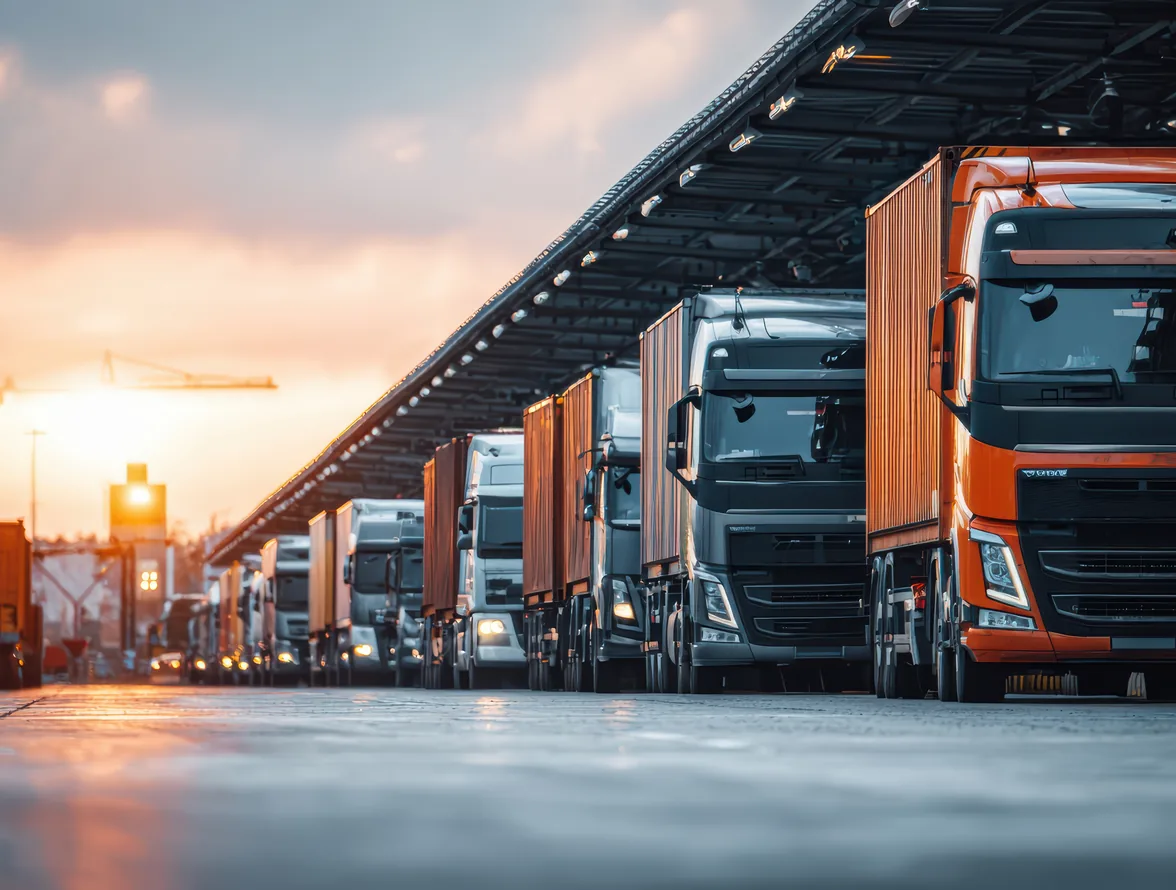
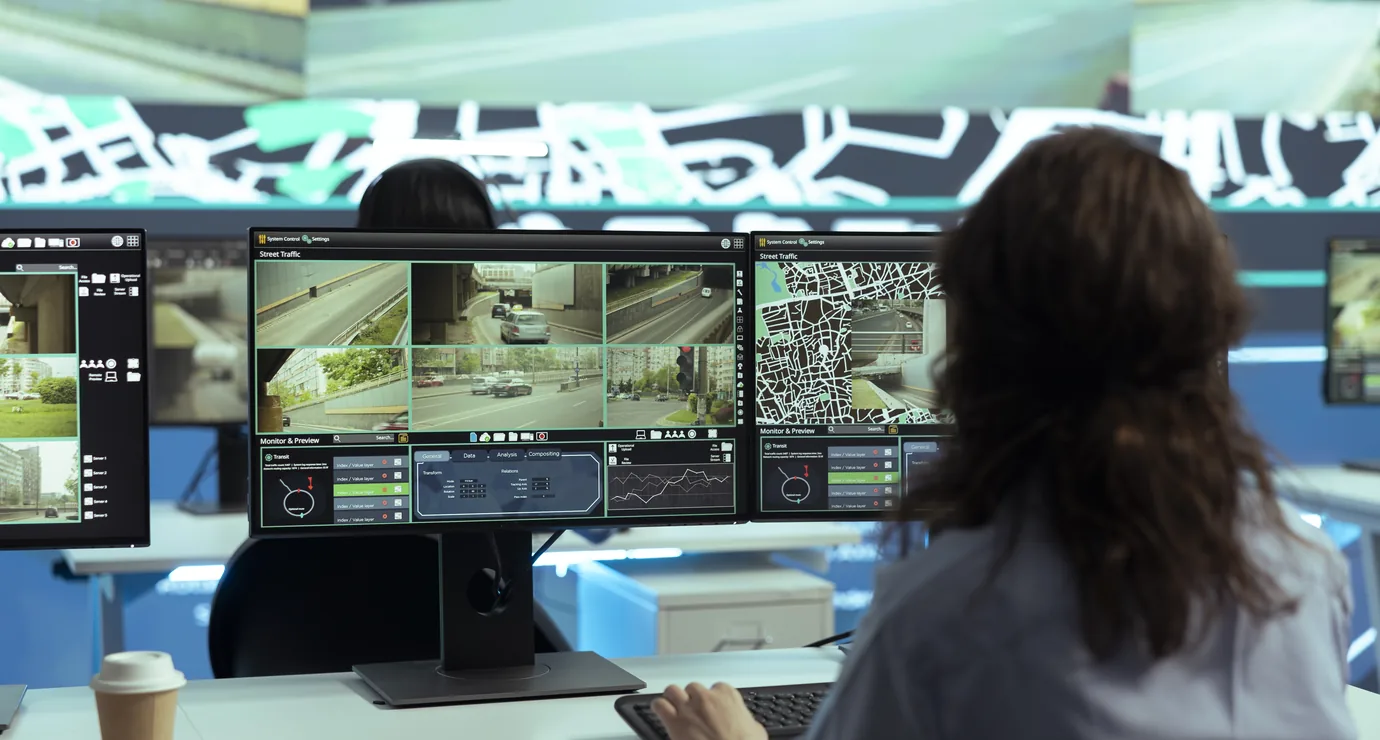
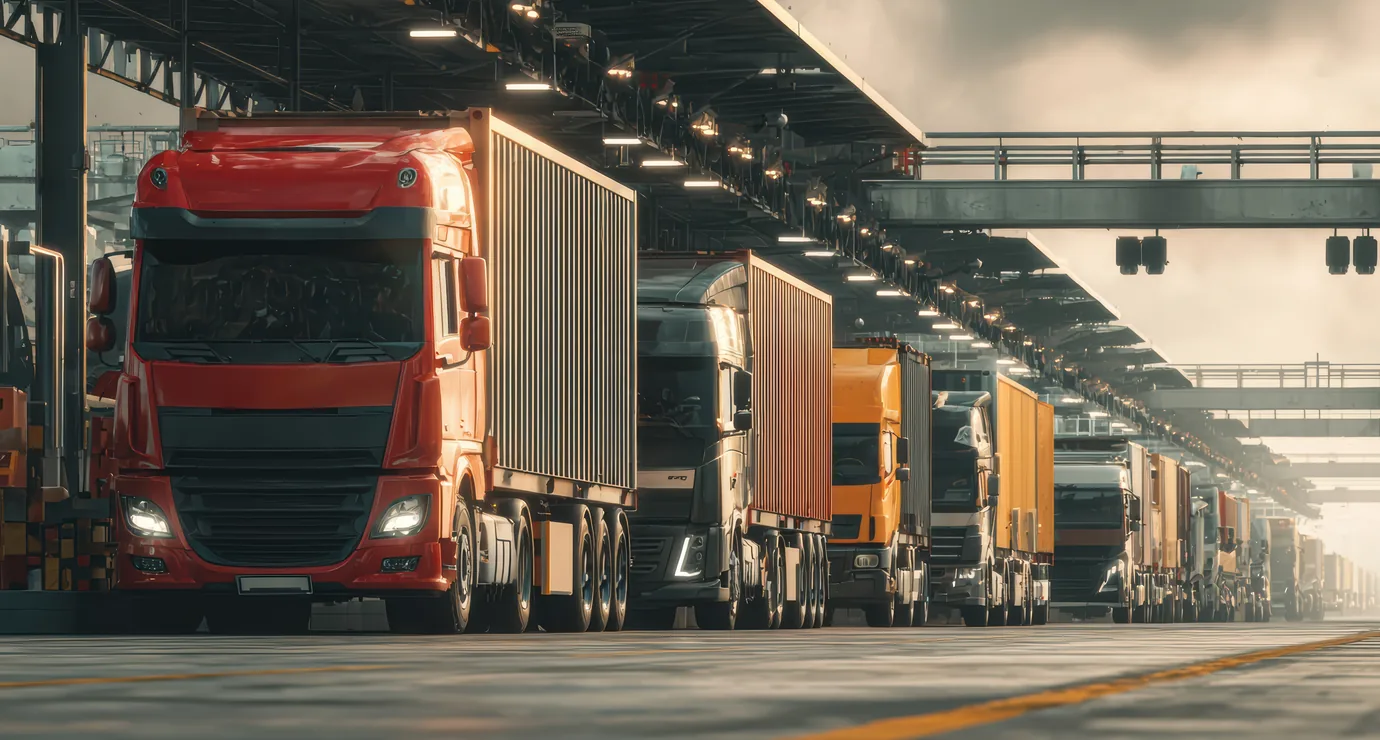
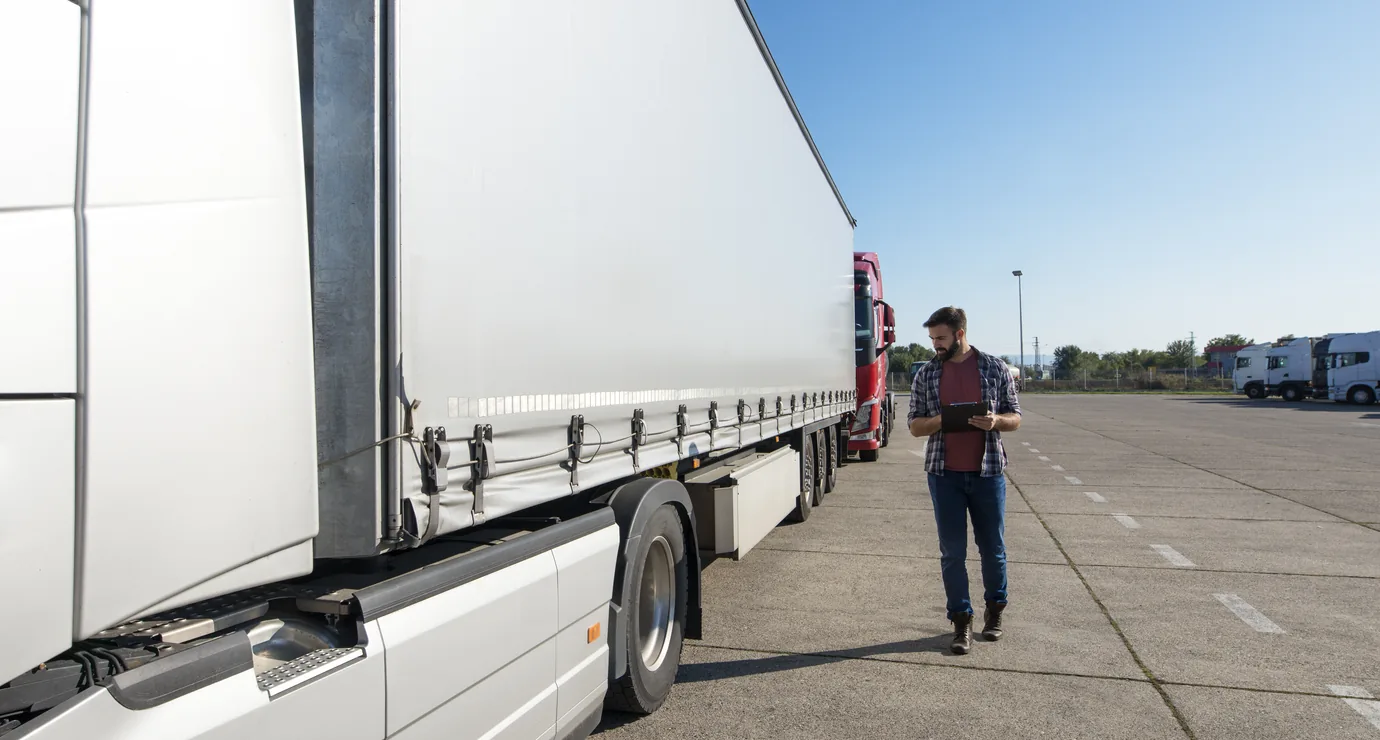
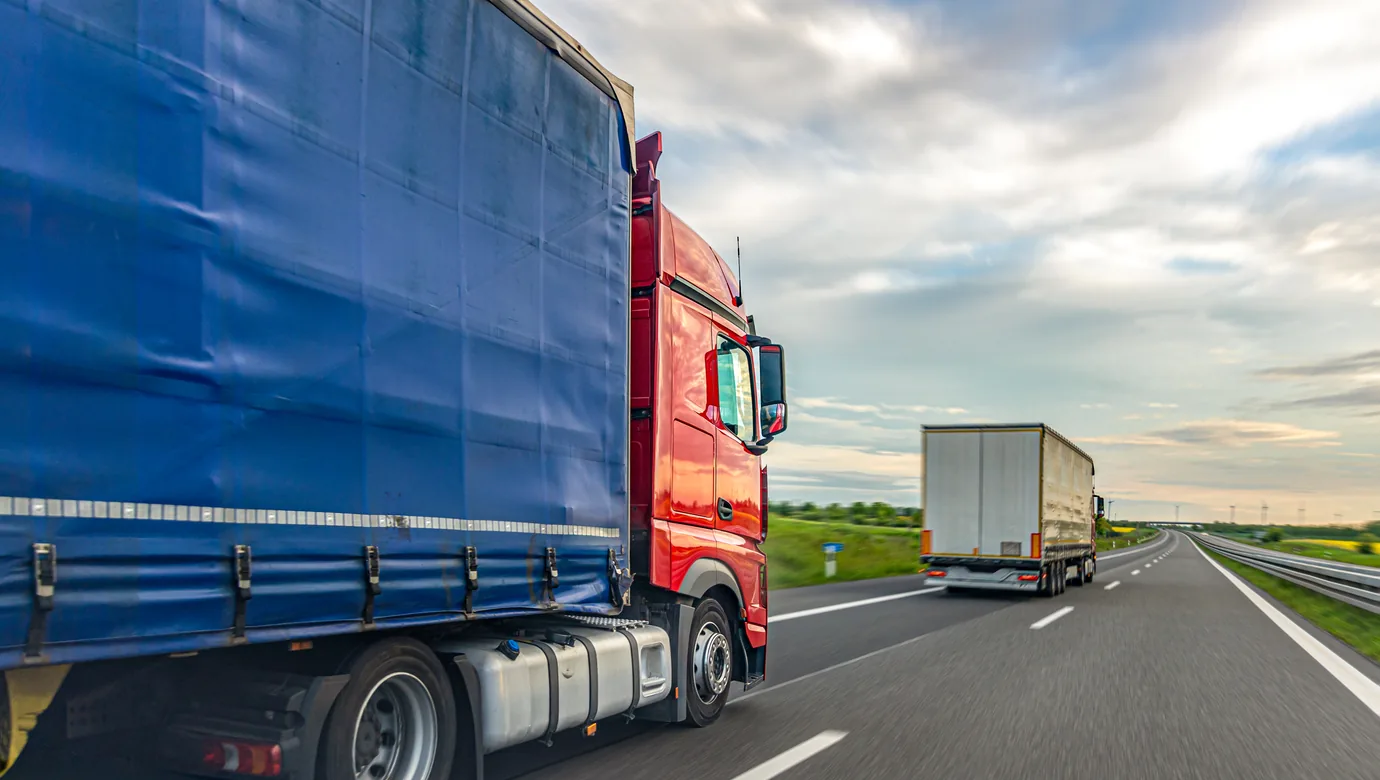
Fleet management system tracking vehicles, drivers and maintenance in one platform

The Fleet Problems We Solve

A vehicle runs on one tracking screen, its fuel is logged in a spreadsheet, and its next service lives in the workshop manager's head. Breakdowns arrive without warning, fuel slips through unexplained, and the true cost per kilometre is only knowable a month after it was spent.

A purpose-built fleet management system makes the vehicle the single record: trip, location, fuel, service, document, and driver event all attach to it. Your telematics devices, fuel cards, and ERP stay in place, connected through a purpose-built integration layer, so the fleet keeps running while capability is added depot by depot.

Benefits Of A Custom Fleet Management System

Six operational shifts fleet operators ask us for, and what each one looks like on the road.

More vehicles kept on the road through planned maintenance One live view of every vehicle in the fleet Fuel spend controlled through monitoring and fraud detection Safer drivers and fewer incidents from telematics coaching Lower cost per kilometre across the fleet Fleet decisions taken from live operational data
01

More Vehicles On The Road

Services are scheduled on real mileage and engine hours, and telematics fault codes flag a developing problem before it strands a vehicle on a route. Downtime shifts from unplanned breakdowns to planned workshop slots, so more of the fleet is earning on any given day instead of sitting on a lift waiting for a part nobody ordered.

02

One Live View Of Every Vehicle

Every vehicle carries a live position, status, and trip fed by its telematics device rather than a driver's phone call. Dispatch, operations, and the customer read the same map and the same ETA, which removes most of the day's location chasing and shortens the dispute cycle when a delivery or pickup does slip.

03

Fuel Spend You Can Control

Fuel card transactions are matched to the vehicle, the tank, and the trip, so a fill that does not fit the distance driven surfaces as an exception the same week. Idling, over-speeding, and route deviation are measured per vehicle, which turns fuel from an unexplained line at month end into a number you can act on while it is still being spent.

04

Safer Drivers, Fewer Incidents

Harsh braking, cornering, acceleration, and speeding are captured from telematics and rolled into a driver safety score you can coach against. Risk becomes visible per driver before it becomes an accident, and the incidents that do happen are reconstructed from evidence rather than argued from memory, which shows up in both insurance premiums and downtime.

05

Lower Cost Per Kilometre

Fuel, maintenance, tyres, driver hours, and depreciation are attributed to each vehicle and route while the period is still open. Cost control moves from explaining the variance at month end to removing the cause of it during the week it is being created, and underperforming vehicles or routes stop hiding inside a fleet-wide average.

06

Decisions Taken From Live Data

Vehicle utilisation, cost per kilometre, on-time performance, maintenance ratio, and fuel efficiency are read from the transactional record instead of assembled by hand each month. Fleet sizing, replacement timing, and route planning get made against numbers current enough to still be true when the decision lands.

Our Journey Of Making Great Things

Numbers that reflect over a decade of consistent delivery, trusted partnerships, and engineering excellence.

10 +

Years of experience

500 +

Projects delivered

200 +

Clients served

18 +

Countries reached

Trusted by India's Leading Government Institutions

Nine central government ministries have trusted Webority to build their digital platforms from parliamentary operations and defence logistics to national health infrastructure and citizen data collection at scale. Every engagement runs on NIC cloud, meets GIGW accessibility standards, and operates under data handling requirements that commercial projects rarely demand.

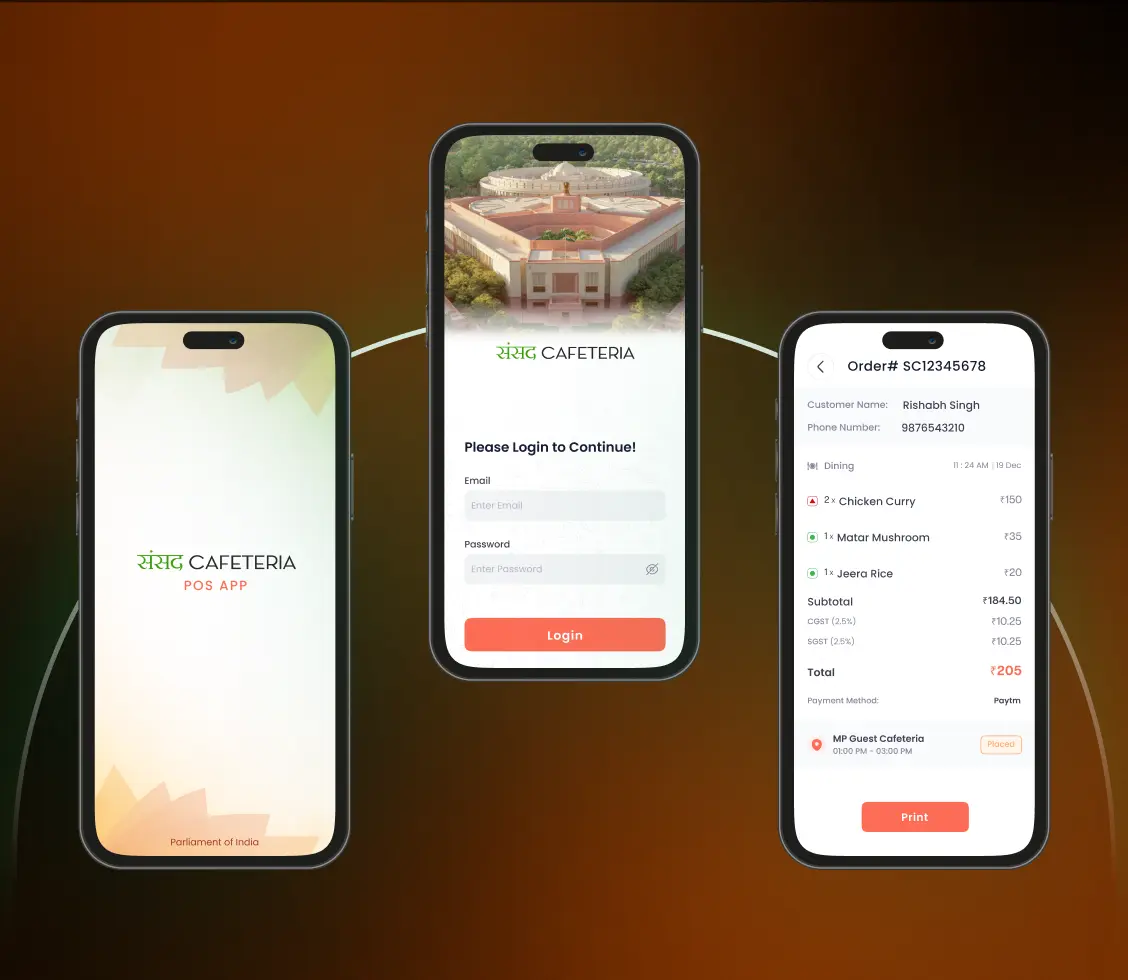
Sansad Cafeteria

Sansad Cafeteria

Ministry of Parliamentary Affairs

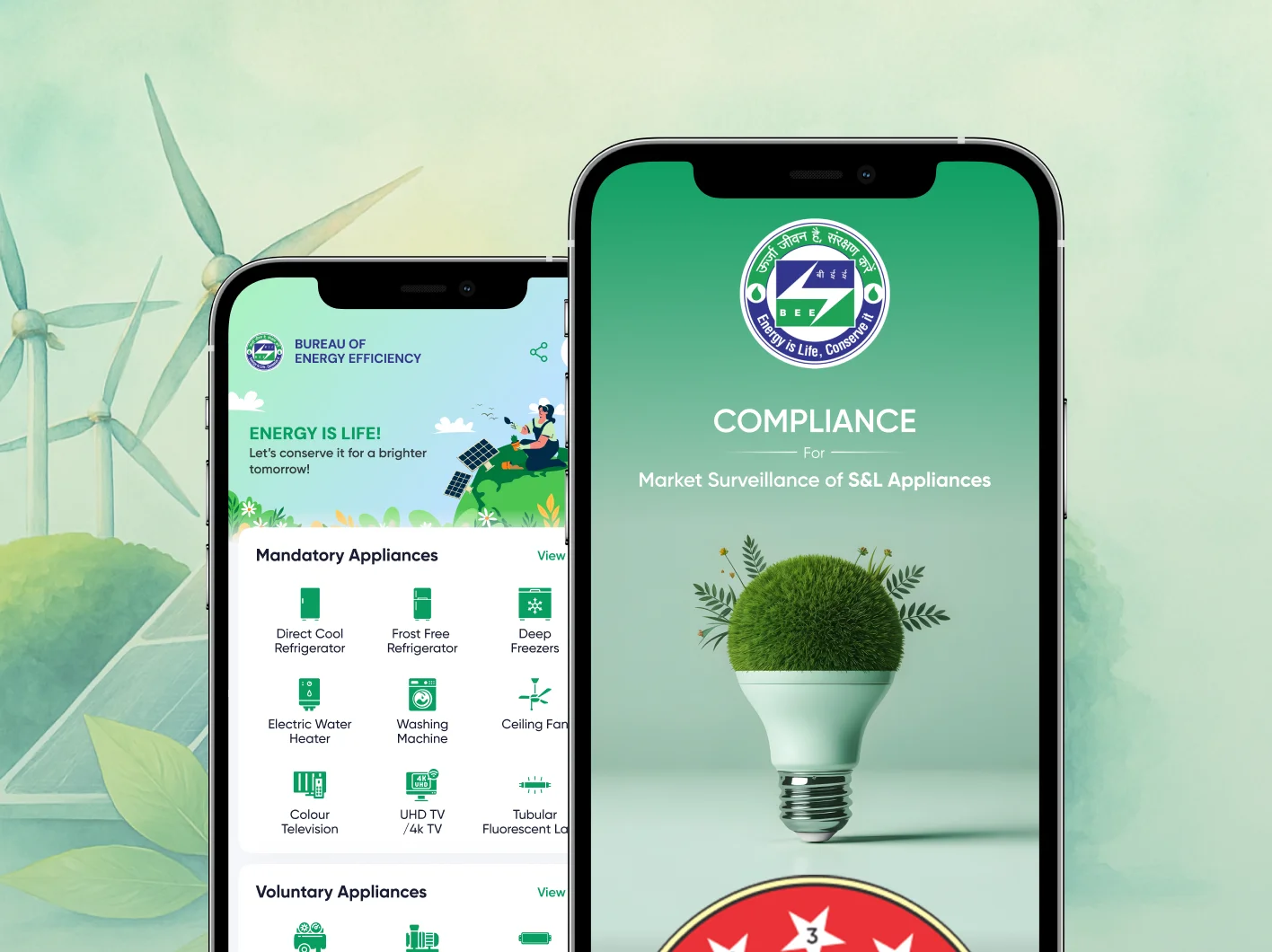
Bureau of Energy Efficiency

Bureau of Energy

Ministry of Power

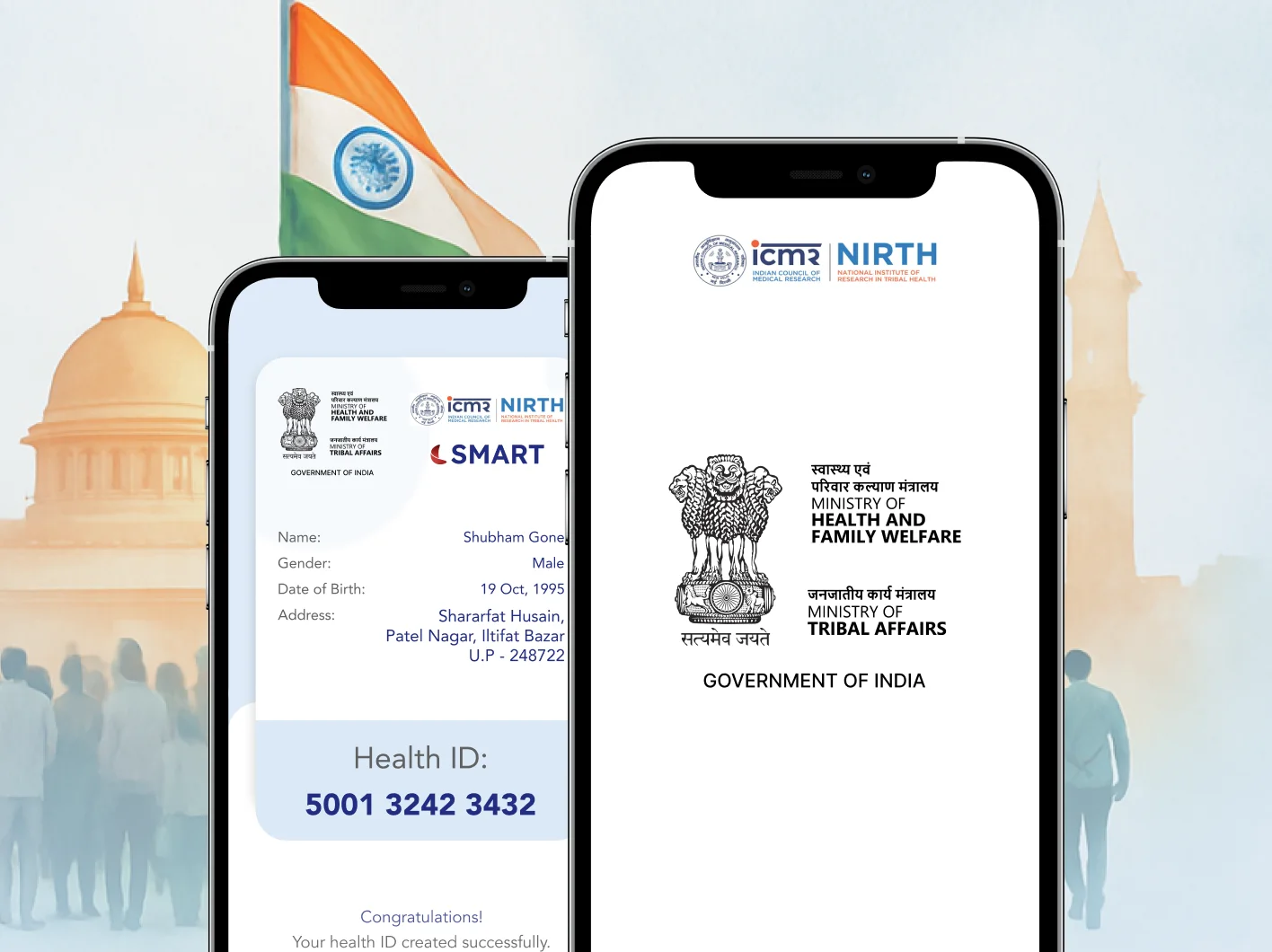
Safdarjung Hospital

Safdarjung Hospital

Ministry of Health & Family Welfare

QCI

Quality Council of India

Ministry of Commerce & Industry

Munitions India Limited

Munitions India Limited

Ministry of Defence

Sashastra Seema Bal

Sashastra Seema Bal

Ministry of Home Affairs

Vasudha Foundation

Vasudha Foundation

Government of Karnataka

National Book Trust

National Book Trust

Ministry of Education

Textiles Committee

Textiles Committee

Ministry of Textiles

Core Fleet Management Modules We Build

Deploy the modules your fleet needs first, then extend. Each one is engineered to work standalone or as part of a single connected fleet platform.

  • 01 Real-Time Tracking & Telematics
  • 02 Preventive Maintenance & Work Orders
  • 03 Fuel Management & Fraud Detection
  • 04 Driver Management & Safety Scoring
  • 05 Route Planning & Optimisation
  • 06 Trip & Dispatch Management
  • 07 Compliance, Documents & Inspections
  • 08 Parts, Tyres & Asset Inventory
  • 09 Driver Mobile App
  • 10 Fleet Analytics & Reporting

Real-Time Tracking & Telematics

Live GPS position, trip history, geofencing, and telematics from the OBD-II port and sensors, covering engine health, harsh events, idling, and fuel draw. Position and diagnostic data land on the vehicle record rather than in a separate tracking tool, so operations and maintenance read the same source instead of reconciling two.

Real-time vehicle tracking and telematics module

Preventive Maintenance & Work Orders

Service schedules on mileage, engine hours, or calendar intervals, with alerts, work orders, service history, warranty tracking, and vendor management attached to each vehicle. Telematics fault codes and wear signals feed predictive maintenance, so a component is serviced before it fails rather than after it strands a vehicle.

Preventive maintenance scheduling and work orders

Fuel Management & Fraud Detection

Fuel card and fuel sensor data reconciled against the vehicle, tank capacity, and distance driven, with exceptions raised where a fill does not fit the trip. Idling, over-speeding, and route deviation are quantified per vehicle, turning fuel from an unexplained cost into a controllable one.

Fuel management and fraud detection for fleets

Driver Management & Safety Scoring

Driver profiles, licences, training, and duty records in one place, with a safety score built from telematics events such as harsh braking, cornering, and speeding. Coaching is targeted at the drivers and behaviours that carry the most risk, and licence and training expiries are monitored so an uncertified driver is not rostered.

Driver management and safety scoring module

Route Planning & Optimisation

Multi-stop route planning that respects delivery windows, vehicle capacity, driver hours, and live road conditions, with turn-by-turn navigation handed to the driver app. Planned versus actual routes are compared after the fact, so deviation, detours, and unauthorised stops become visible rather than assumed away.

Route planning and optimisation for fleet vehicles

Trip & Dispatch Management

Jobs and trips assigned to vehicles and drivers on availability, location, and vehicle type, with status tracked from allocation through completion. Dispatch works from live vehicle positions and capacity rather than a whiteboard, and every trip carries the distance, duration, and cost that later feed utilisation and billing.

Trip and dispatch management for fleet operations

Compliance, Documents & Inspections

Vehicle documents, permits, insurance, and fitness certificates tracked with expiry alerts, plus digital inspection checklists and defect reporting captured by drivers before a shift. Every check is timestamped and attached to the vehicle, so compliance is evidenced continuously and stands up to an inspection instead of being reconstructed before one.

Fleet compliance, documents and inspection management

Parts, Tyres & Asset Inventory

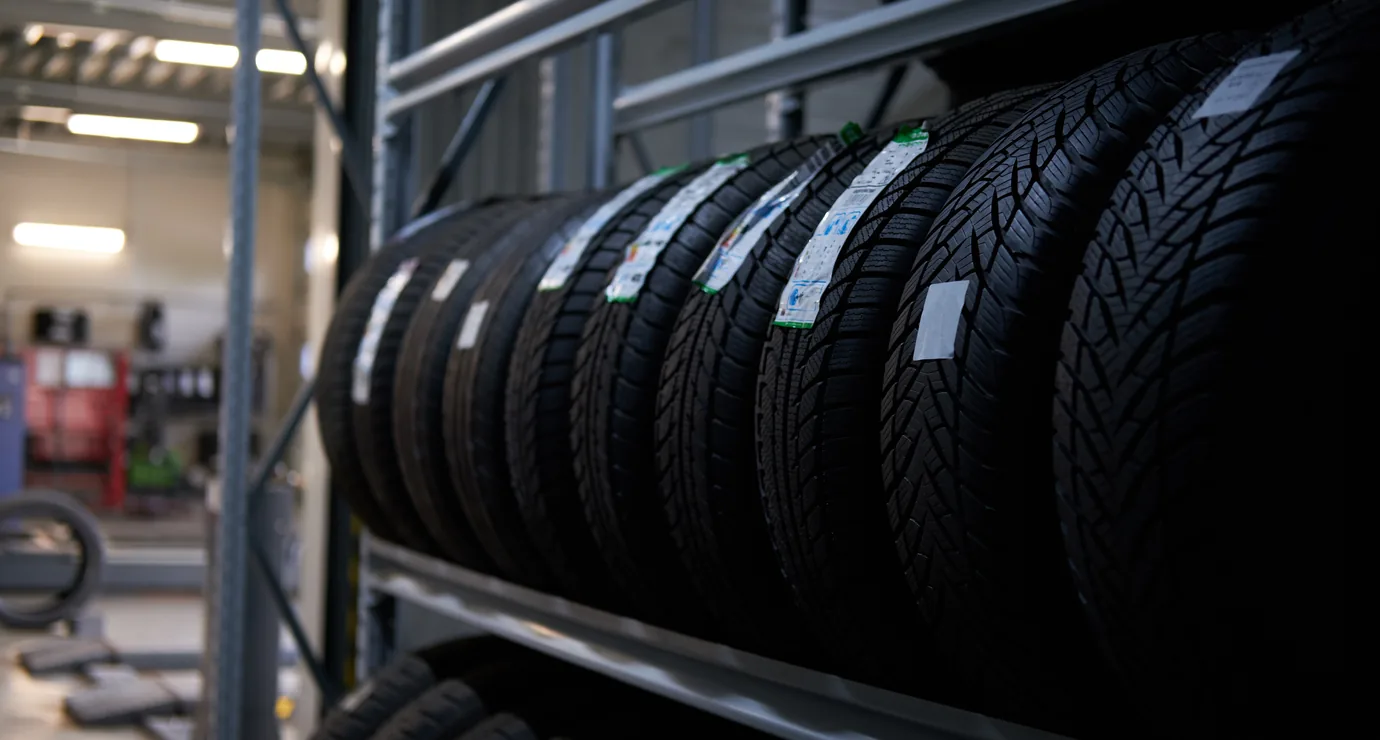
Spare parts, tyres, and fitted assets tracked by stock level, cost, and the vehicle they are issued against, with reorder points and consumption tied to work orders. Tyre life and rotation are managed per position, so a workshop pulls from stock it can see and finance costs maintenance against real parts issued rather than an estimate.

Parts, tyres and asset inventory for fleet workshops

Driver Mobile App

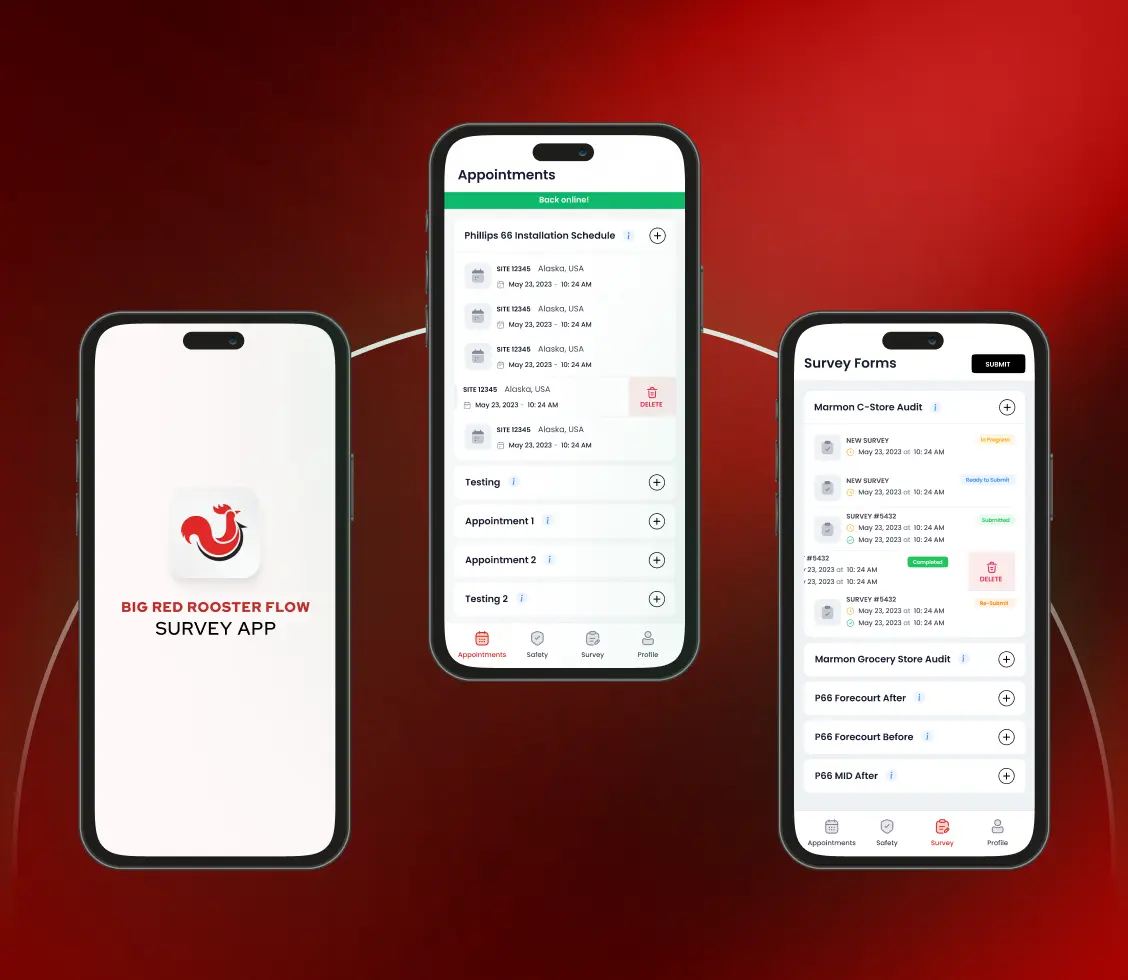
Trip assignments, navigation, digital inspections, defect and incident reporting, document upload, and duty logging in one app that keeps working where coverage does not. Captured events queue offline and synchronise without duplicating a trip or losing an inspection, so the depot reads the driver's day from the app rather than from paper.

Driver mobile app for fleet management

Fleet Analytics & Reporting

Dashboards covering vehicle utilisation, cost per kilometre, fuel efficiency, maintenance ratio, on-time performance, and driver safety, reported per depot, route, and vehicle. Reports are built on the transactional record, so the operations view and the finance view stop disagreeing about the same fleet and the same month.

Fleet analytics and reporting dashboards

Not sure which modules your fleet needs first?

Book a free 30-minute consultation and we'll scope it for you.

Our Success Stories

Every case study below is a product in production, built across healthcare, fintech, government, and e-commerce, and measured by the outcomes it delivers.

Certificates and Compliances

At Webority Technologies, we take pride in our professional recognition and reputation as a trusted name for all your business solution needs. Rely on us for expert guidance and exceptional results.

CMMI Level 5 Certification
ISO 9001:2015 Certified Company
ISO 14001:2015 Certified Company
ISO 45001:2018 Certified Company
DPIIT Startup India
GDPR Compliance
HIPAA Compliance
SOC 2 Certified Company
PCI Compliance
DPIIT Startup India

Fleets We Build For

A long-haul distribution fleet and a city ambulance service need the same vehicle discipline and very different rules around it. We build for both.

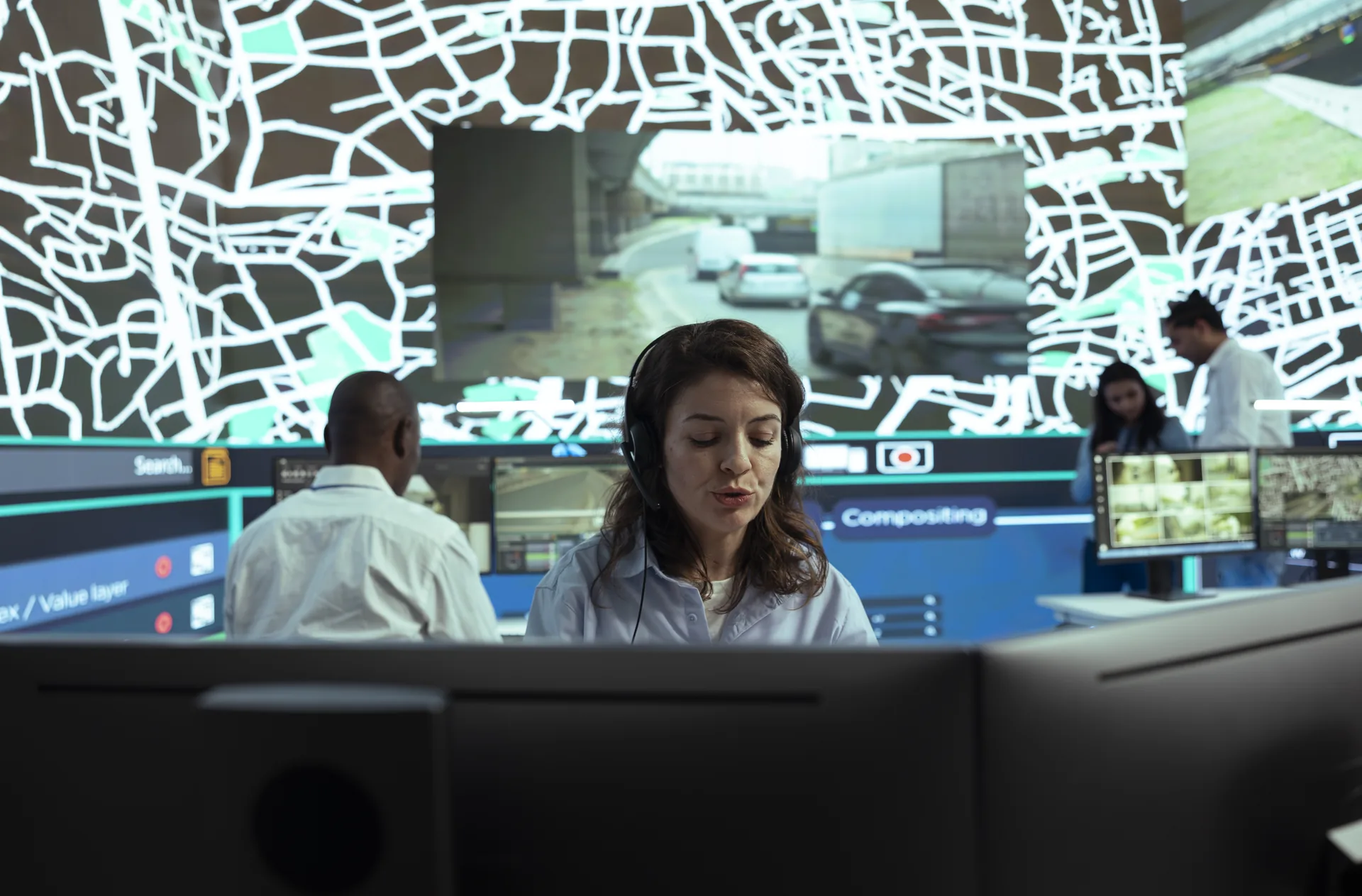
Fleet management system across logistics, transport and service fleets
01

Logistics & Distribution

Line-haul and distribution fleets where uptime, fuel, and cost per kilometre decide the margin. Trip capture, preventive maintenance, and fuel reconciliation handled as part of the same vehicle record.

02

Passenger & Bus Transport

Bus, coach, and staff-transport operations where schedule adherence, passenger safety, and driver hours matter as much as the vehicle, with route timings and duty records tracked per trip.

03

Construction & Heavy Equipment

Heavy vehicles and plant tracked by engine hours rather than distance, with utilisation, site allocation, service intervals, and theft prevention managed against each asset.

04

Field Service Fleets

Service and utility fleets where the vehicle carries a technician and a job, so appointment windows, van stock, and task completion belong to the same record as location and fuel.

05

Cold Chain & Refrigerated

Temperature-controlled transport needing reefer temperature monitoring, breach alerts, and chain-of-custody evidence alongside the standard tracking, maintenance, and fuel discipline.

06

Vehicle Rental & Leasing

Rental and leasing fleets where check-in and check-out condition, mileage limits, utilisation, and per-vehicle profitability drive the business as much as maintenance and location.

07

Emergency & Ambulance Fleets

Emergency response fleets where readiness is the product: nearest-vehicle dispatch, equipment and vehicle-readiness checks, and response-time tracking built into the same platform.

08

Government & Municipal Fleets

Mixed public-sector fleets — waste, transport, utility, and pool vehicles — needing transparent utilisation, fuel accountability, and audit-ready compliance across departments and depots.

Why Fleet Operators Choose Webority For Fleet Management System Development

We bring a level of process maturity and certified delivery assurance that most software development companies in India cannot match, backed by certifications that require continuous evidence, not one-time audits.

CMMI Level 5

Fewer than 5% of global software firms hold CMMI Level 5. Webority holds it. Most competitors in India do not.

ISO 27001 Certified Information Security

Vehicle location, driver records, and fuel and cost data are handled under ISO 27001 security controls, audited every sprint.

Built To Your Fleet Model

Your vehicle types, service rules, and cost model define the software. You do not reshape your operation to suit a packaged platform.

You See Progress At Every Stage

Every 2 weeks you review working software, not slide decks. You stay in control of scope, direction, and delivery.

Scales With Fleet And Geography

The same platform runs one depot and a national fleet. Adding a depot is an onboarding task, not another system to run alongside.

Support That Continues After Go-Live

Monitoring, patching, issue resolution, and enhancements run under a formal SLA as your fleet, routes, and volumes change.

What Our Clients Say

Real words from the founders, product owners, and CTOs who chose Webority

Integrations We Build Into Fleet Management Systems

Your existing systems stay in place and are connected through documented interfaces. These are the categories we integrate; the specific vendors are chosen from what your fleet already runs.

Telematics, GPS & IoT Devices

GPS and telematics hardware, OBD-II dongles, reefer and load sensors, dashcams, and fuel-level sensors, so position, diagnostics, and temperature events land on the vehicle rather than in a separate tool.

Fuel Cards & Payments

Fuel card networks, fuel station feeds, toll and FASTag accounts, and payment rails, reconciled against the vehicles and trips that generated each transaction.

Mapping, Routing & Compliance

Mapping, geocoding, and routing services, plus government and regulatory portals for permits, fitness, and tax, so navigation and compliance status stay current against the vehicle.

ERP, Accounting & Communications

ERP and accounting postings, HR and payroll for driver hours, parts supplier catalogues, plus SMS, WhatsApp, push, and voice channels driven by vehicle and maintenance events.

Strategic Partnerships

Technology partnerships that give our clients enterprise-grade tools, support SLAs, and preferential access.

Amazon Technology Partner
Microsoft Technology Partner
Google Technology Partner

Business Outcomes Fleet Operators Work Towards

What changes in the operation once the vehicle becomes the single record every function reads from.

01
More Uptime From The Same Fleet

Maintenance planned on real usage, plus fault codes caught early, turns roadside breakdowns into scheduled workshop slots and keeps more vehicles earning on any given day.

02
Fuel And Cost Under Control

Fuel matched to trips, idling and speeding measured, and every cost attributed to a vehicle and route remove the unexplained spend that hides inside a fleet-wide average.

03
A Safer Fleet On The Road

Safety scoring, targeted coaching, and evidence-backed incident review cut the accidents and claims that quietly drive up premiums and pull vehicles off the road.

04
A Fleet You Can Actually Compare

Depots, routes, and vehicles reporting on one definition of utilisation, cost per kilometre, and on-time performance make differences visible instead of arguable.

Process step background

How We Roll Out A Fleet Management System

A structured, transparent CMMI Level 5 delivery lifecycle that gets one depot live and proven before the rest of the fleet follows.

01

Fleet Operation Discovery

We follow a vehicle end to end: trip patterns, telematics setup, maintenance regime, fuel process, driver duty, compliance obligations, and the reports the business actually runs on.

Fleet operation discovery and process mapping
02

Solution Architecture & Design

Data model for vehicles, trips, maintenance and fuel, telematics and device integration specifications, offline behaviour for the driver app, and security controls documented before build.

Solution architecture and system design for fleet platforms
03

Agile Development Sprints

2-week sprints with working software reviewed at every sprint end, so your fleet manager corrects the maintenance and cost rules while they are still cheap to change.

Agile development sprints with working software each cycle
04

Integration, Data Migration & Testing

Vehicle, driver, and open-work-order data migrated and reconciled, telematics and fuel-card integrations tested end to end, and field testing of the driver app on real devices and patchy coverage before any depot depends on it.

Integration, data migration and field testing before go-live
05

Pilot Depot & Fleet Rollout

One depot goes live with fleet manager and driver training and on-site support, and the lessons from that site shape the rollout plan for the rest of the fleet.

Pilot depot go-live and phased fleet rollout
06

Support & Continuous Optimisation

Monitoring, security patching, issue resolution, and enhancements under a formal SLA, with seasonal peaks and fleet expansion reviewed before they arrive rather than after they hurt.

Post-launch support and continuous optimisation under SLA

Platform Capabilities Built In From The Start

The engineering foundations that keep a fleet platform reliable when thousands of devices report at once and maintainable three years after launch.

Security & Data Protection

Encryption in transit and at rest, audit trails on maintenance and cost changes, and defined retention for location, driver, and telematics data.

Roles & Access Control

Fleet manager, dispatcher, workshop, driver, and finance each see and change only what their role allows, with approvals recorded against a named user.

Offline-Tolerant Driver App

Inspections, defect reports, and trip events continue where coverage drops, then synchronise without duplicating a trip or losing evidence captured on the road.

Multi-Depot & Multi-Vehicle Architecture

Shared vehicle registers and reporting with per-depot rosters, service rules, and cost centres, so adding a location does not fork the platform.

Documented Integration Layer

REST APIs and webhooks connecting telematics, fuel cards, mapping, and ERP, so a device or vendor change is a mapping exercise rather than a rebuild.

Performance Under Device Load

Event-driven ingestion, caching, and asynchronous processing so tracking and dashboards stay responsive when thousands of vehicles stream telematics at once.

Explore Related Logistics & Mobility Solutions

A fleet rarely sits on its own. These are the platforms it most often connects to.

Delivery Partner Portal

Onboarding, dispatch, and earnings for the riders and drivers moving last-mile consignments. Explore delivery partner portal.

Vehicle Service Management

Job cards, service scheduling, and parts inventory that keep fleet vehicles on the road. Explore vehicle service management.

Logistics Software Solutions

Fleet, warehouse, shipment tracking, and route optimisation across the wider network. Explore logistics software solutions.

Custom Software Development

The wider engineering practice behind every platform we deliver. Explore custom software development.

Frequently Asked Questions

A fleet management system is the platform that runs a business's vehicles and drivers as one operation. It covers real-time tracking and telematics, preventive maintenance and work orders, fuel management, driver safety, trip and dispatch, compliance and documents, and analytics. The vehicle is the single record every function reads from, so the trip driven, the fuel burned, the service due, and the cost incurred all describe the same asset.

We build real-time tracking and telematics, preventive maintenance and work orders, fuel management and fraud detection, driver management and safety scoring, route planning and optimisation, trip and dispatch management, compliance and inspections, parts and asset inventory, a driver mobile app, and fleet analytics. Modules can be deployed individually or as one connected platform, and each is engineered around your vehicle types, routes, and cost model rather than adapted from a template.

Real-time GPS gives live vehicle location, route history, and geofencing alerts, while telematics from the OBD-II port and sensors reports engine health, harsh braking, over-speeding, idling, and fuel use. Together they cut idle time, surface unsafe driving for coaching, catch faults before they become breakdowns, and give accurate ETAs, so dispatch decisions are made on what vehicles are actually doing rather than on phone calls.

Yes. Maintenance is scheduled on mileage, engine hours, or calendar intervals, with alerts, work orders, service history, and warranty tracking attached to each vehicle. Telematics fault codes and wear signals feed predictive maintenance, so a component is serviced before it fails. This reduces unplanned downtime, extends vehicle life, and keeps maintenance spend planned rather than reactive.

Yes. We build documented integration layers across GPS and telematics hardware, OBD-II and IoT sensors, fuel card networks, mapping and routing services, ERP and accounting systems, and messaging channels. Your existing systems stay in place and are connected through purpose-built interfaces, so vehicle, trip, fuel, and cost data stay synchronised without manual re-keying.

The platform tracks vehicle documents, permits, insurance, and fitness certificates with expiry alerts, records inspections and defects, and maintains audit trails for regulatory checks. Driver safety scoring is built from telematics events, licence and training records are monitored, and hours and rest can be tracked, so compliance is evidenced continuously rather than reconstructed before an audit.

Timelines depend on scope, integrations, and fleet size. A focused system covering tracking, maintenance, and fuel typically takes 4 to 6 months to a pilot fleet; a multi-depot deployment with driver apps, route optimisation, and ERP settlement generally takes longer. We give a detailed timeline after discovery and update it at every sprint milestone.

Book a Free Call